4 DaysVietnamprovince
Đồng Tháp
Your 4-day travel guide
The ideal time to visit Đồng Tháp is during the dry season from December to April, when weather is sunny with lower humi...
Đồng Tháp•4D•All
Đồng Tháp, Vietnam
Duration:4 Days
Activities:12
Best for:All travelers
Mekong Delta Flavors and Lotus Dreams
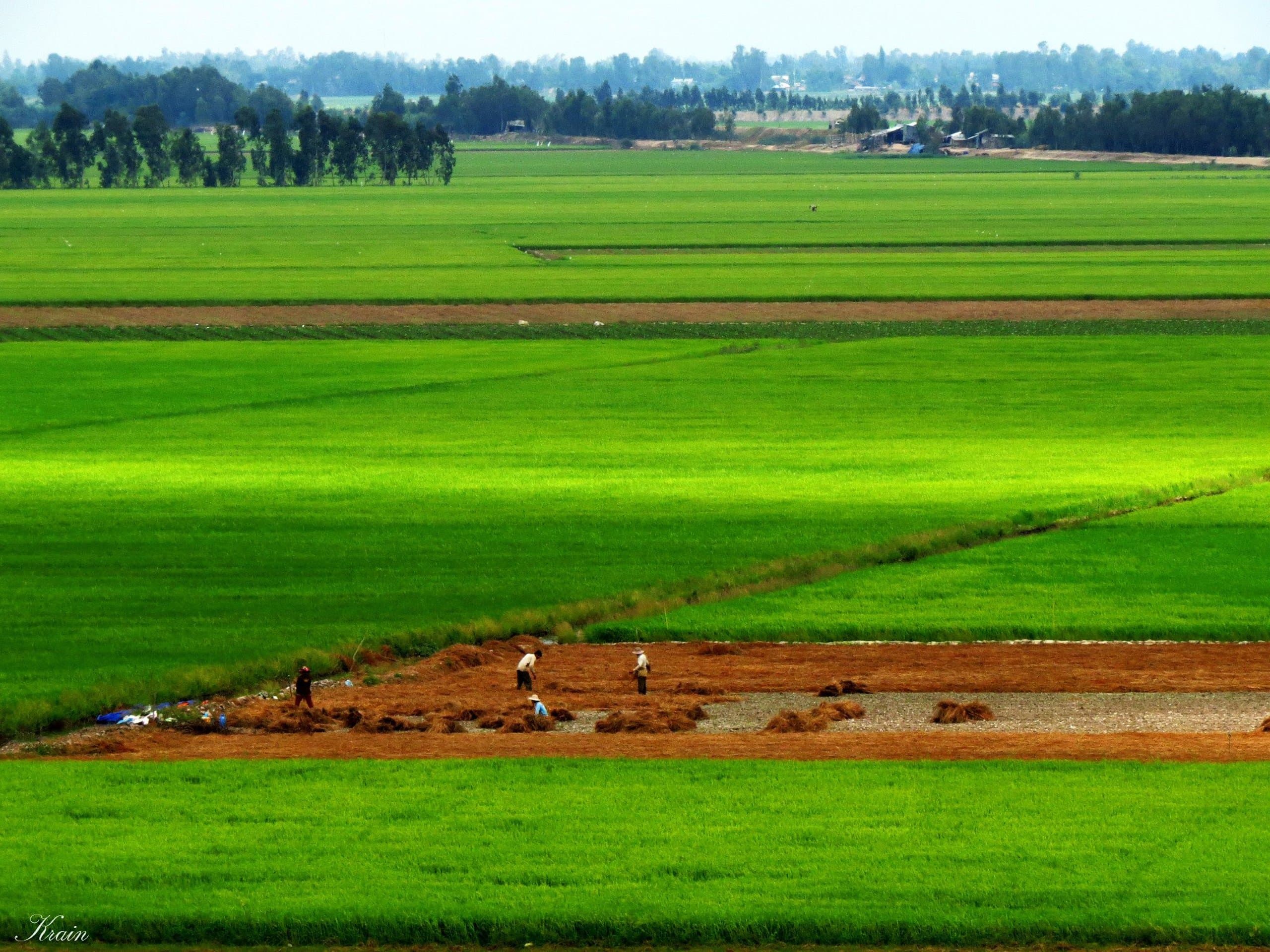
Đồng Tháp Province in Vietnam's Mekong Delta offers an authentic glimpse into river life, where floating markets, lotus-filled wetlands, and traditional villages create a serene cultural landscape. This itinerary explores the province's distinct character through its food heritage and local customs, perfect for couples seeking meaningful experiences. From the historic town of Sa Đéc to the tranquil wetlands of Tràm Chim, you'll discover why this region is cherished for its agricultural bounty and warm hospitality, far from the typical tourist trails.
Get Real Local Advice
Ask someone who actually lives in Đồng Tháp
1
Historic Sa Đéc and Riverside Culture
Day 1 of your journey
This 19th-century merchant house blends French colonial and Chinese architectural styles, famously inspiring Marguerite Duras' novel 'The Lover.' Visitors tour well-preserved rooms with original furnishings, family artifacts, and a tranquil garden. The house tells the story of cross-cultural romance and local history. Allow about an hour to appreciate the details and photography opportunities. It's best visited in the morning to avoid afternoon heat.
Huỳnh Thủy Lê Ancient House
Why Visit
This site offers a tangible connection to Vietnam's colonial past and literary history, providing cultural depth beyond typical attractions. For couples, the romantic backstory adds a meaningful layer to the visit, while the architecture showcases unique Sino-French fusion rarely seen elsewhere in the delta.
Address: 255A Nguyễn Huệ, Ward 2, Sa Đéc. The caretakers often share personal stories if you ask politely. Combine with a walk along the nearby riverfront for a complete historical context.

2
Cao Lãnh's Lotus Culture and History
Day 2 of your journey
3
Tràm Chim National Park Wetlands
Day 3 of your journey
4
Hồng Ngự Border Culture and Farewell
Day 4 of your journey
Before You Go
Essential Travel Tips
Vietnamese is the primary language; learn basic phrases like 'xin chào' (hello) and 'cảm ơn' (thank you)
Use cash (Vietnamese đồng) as credit cards are limited outside hotels in major towns
Dress modestly when visiting temples and memorial sites
Drink bottled water and be cautious with street food if you have sensitive stomachs
Use Grab or local taxis for transportation within towns
Carry insect repellent, especially for wetland areas
Check weather forecasts as the delta can experience sudden rain
Respect local customs by removing shoes when entering homes or certain establishments
When to Go
Best Time to Visit
The ideal time to visit Đồng Tháp is during the dry season from December to April, when weather is sunny with lower humidity and minimal rainfall. This period offers comfortable conditions for outdoor activities like wetland exploration and market visits. The lotus blooming season typically runs from May to September, adding spectacular floral displays but with higher temperatures and occasional showers. November to May is also prime time for birdwatching at Tràm Chim, particularly for seeing sarus cranes. Avoid the peak of the wet season (August-October) when flooding can limit access to some areas.
Local Insights & Tips
Đồng Tháp's culture is deeply connected to its riverine environment, with livelihoods revolving around agriculture, fishing, and wetland resources. The lotus holds special significance, appearing in cuisine, art, and local identity. Communities maintain traditional customs while adapting to modern changes. When interacting with locals, polite greetings and patience are appreciated. The pace of life is generally slower than in urban Vietnam, reflecting the agricultural rhythm. Food culture emphasizes fresh, locally-sourced ingredients, particularly freshwater fish and lotus products. Religious practices blend Buddhism with local beliefs, visible in home altars and temple visits. The province has a strong sense of regional pride, with distinct traditions from other Mekong Delta areas.