4 DaysVietnamprovince
Bình Dương
Your 4-day travel guide
The ideal time to visit Bình Dương is during the dry season from November to April, when rainfall is minimal and tempera...
Bình Dương•4D•All
Bình Dương, Vietnam
Duration:4 Days
Activities:12
Best for:All travelers
Craft Villages, Cao Dai Temples, and Southern Flavors
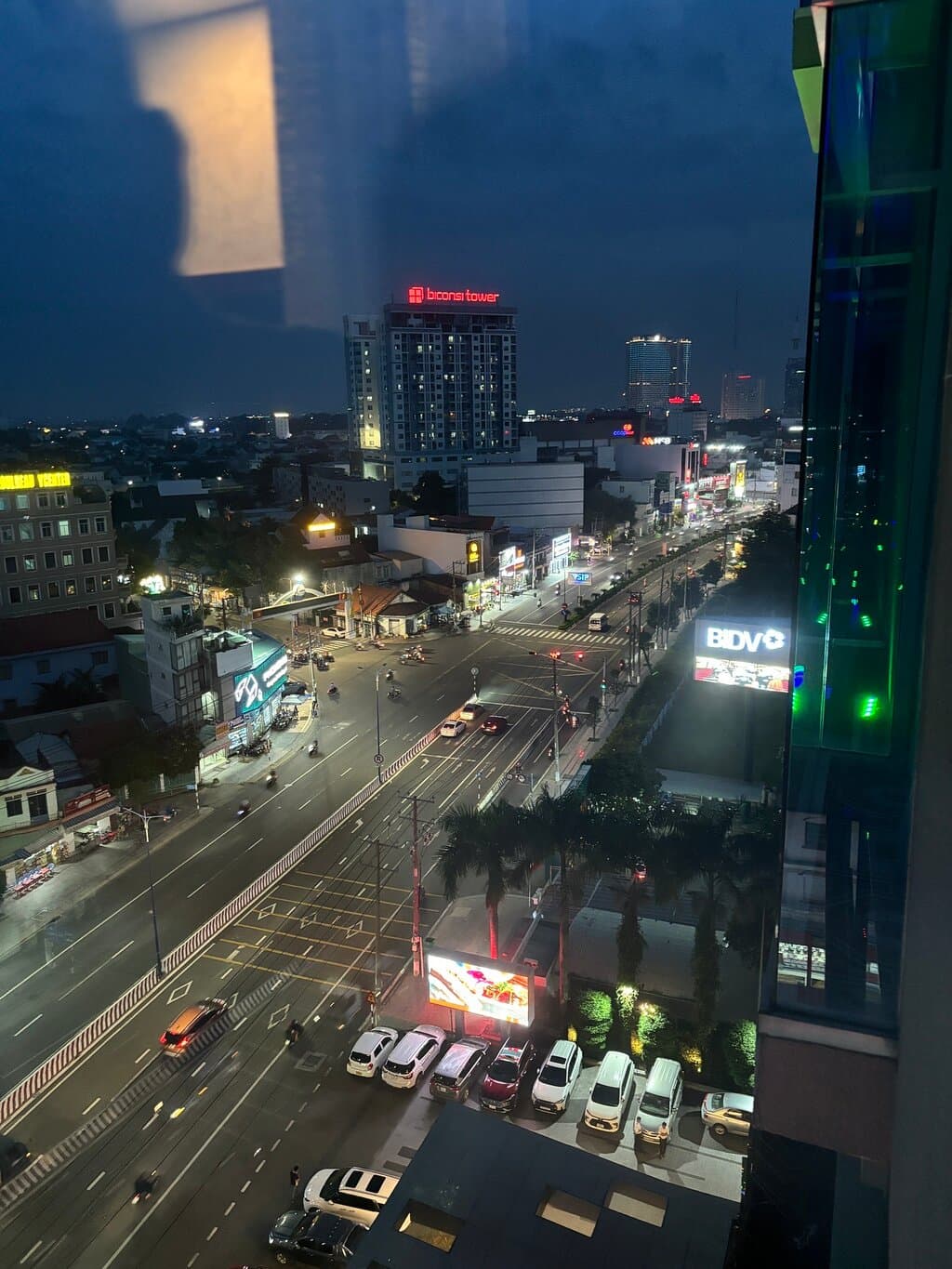
Bình Dương, a dynamic province bordering Ho Chi Minh City, offers a compelling blend of industrial growth and traditional Vietnamese culture. Often overlooked by tourists heading straight to the metropolis, this region reveals a slower pace of life centered around ancient craft villages, distinctive religious architecture, and a rich culinary heritage. For couples seeking cultural immersion beyond the typical tourist trail, Bình Dương provides intimate experiences in pottery workshops, serene temple visits, and authentic local markets. The province's landscape mixes urban development with pockets of rural charm, making it an ideal destination for those interested in the authentic crafts and spiritual life of southern Vietnam.
Get Real Local Advice
Ask someone who actually lives in Bình Dương
1
Ceramic Heritage and Local Markets
Day 1 of your journey
Visit one of Bình Dương's most famous ceramic villages, where generations of artisans have practiced their craft. You'll see potters shaping clay on traditional wheels and observe the intricate painting techniques used to create decorative items. The village produces everything from simple household pottery to elaborate artistic pieces. Plan to spend about two hours walking through the workshops and showrooms, where you can watch demonstrations and purchase directly from the makers. The best time to visit is in the morning when artisans are most active.
Làng gốm Sông Bé
Why Visit
This village represents the living heritage of Bình Dương's ceramic tradition, dating back over 300 years. It offers an authentic look at Vietnamese craftsmanship that has sustained local communities for generations. For couples, it provides a unique opportunity to witness skilled artisans at work and acquire handmade souvenirs with personal meaning. The intimate scale of family workshops creates a more personal cultural experience than larger commercial operations.
Look for the smaller family workshops behind the main showrooms for the most authentic demonstrations. Address: Phú Cường Ward, Thủ Dầu Một City.

2
Spiritual Architecture and Rural Crafts
Day 2 of your journey
3
Historical Sites and Local Flavors
Day 3 of your journey
4
Cultural Synthesis and Departure
Day 4 of your journey
Before You Go
Essential Travel Tips
Vietnamese is the primary language, but basic English is understood in tourist areas and by younger people in urban centers.
The currency is Vietnamese Dong (VND). Credit cards are accepted in hotels and larger restaurants, but carry cash for markets and smaller establishments.
Dress modestly when visiting religious sites, covering shoulders and knees. Remove shoes before entering temples and some traditional homes.
Bình Dương has a tropical climate with distinct wet (May-October) and dry (November-April) seasons. Prepare for humidity year-round.
Tap water is not drinkable. Use bottled water, which is widely available and inexpensive.
Ride-hailing apps like Grab work well in Bình Dương for convenient and reasonably priced transportation.
Bargaining is expected in markets and craft villages, but be respectful. Fixed prices are standard in malls and most restaurants.
Electrical outlets are typically 220V with Type A, C, or F plugs. Bring a universal adapter if needed.
When to Go
Best Time to Visit
The ideal time to visit Bình Dương is during the dry season from November to April, when rainfall is minimal and temperatures are slightly cooler (though still warm). December to February offers the most comfortable weather with lower humidity. The wet season from May to October brings frequent afternoon showers and higher humidity, which can make outdoor exploration less comfortable. However, the rainy season sees fewer tourists and lush green landscapes. Major Vietnamese holidays like Tet (Lunar New Year, usually January or February) can mean crowded conditions and some business closures.
Local Insights & Tips
Bình Dương's culture reflects its position as an industrial province with deep traditional roots. While modern development is evident in urban areas, rural communities maintain craft traditions passed down for generations. Respect for elders and family are central values. When visiting craft villages, showing genuine interest in artisans' work is appreciated - they often enjoy explaining their techniques to interested visitors. Meals are important social occasions, with dishes shared family-style. Bình Dương residents are generally friendly but may be reserved initially with foreigners. The province has a significant Cao Dai religious community, and visitors should show respect at temples even if not participating in ceremonies. Traditional crafts are not just tourist attractions but living economic activities supporting local families.