4 DaysUzbekistan
Samarkand
Your 4-day travel guide
The ideal time to visit Samarkand is during spring (April to early June) or autumn (September to October). Spring offers...
Samarkand•4D•All
Samarkand, Uzbekistan
Duration:4 Days
Activities:12
Best for:All travelers
Silk Road Splendor and Culinary Delights
Samarkand, one of Central Asia's oldest continuously inhabited cities, stands as a living museum of the Silk Road. Its skyline is dominated by majestic turquoise-domed mosques, madrasahs, and mausoleums that showcase Timurid architecture at its peak. As a UNESCO World Heritage site, the city offers an immersive journey through centuries of history, from Alexander the Great to Tamerlane. Beyond the monuments, Samarkand's vibrant bazaars, traditional workshops, and rich culinary traditions provide authentic cultural experiences. This itinerary blends architectural wonders with intimate culinary discoveries, perfect for couples seeking both grandeur and romance.
Get Real Local Advice
Ask someone who actually lives in Samarkand
1
Timurid Grandeur and Registan Square
Day 1 of your journey
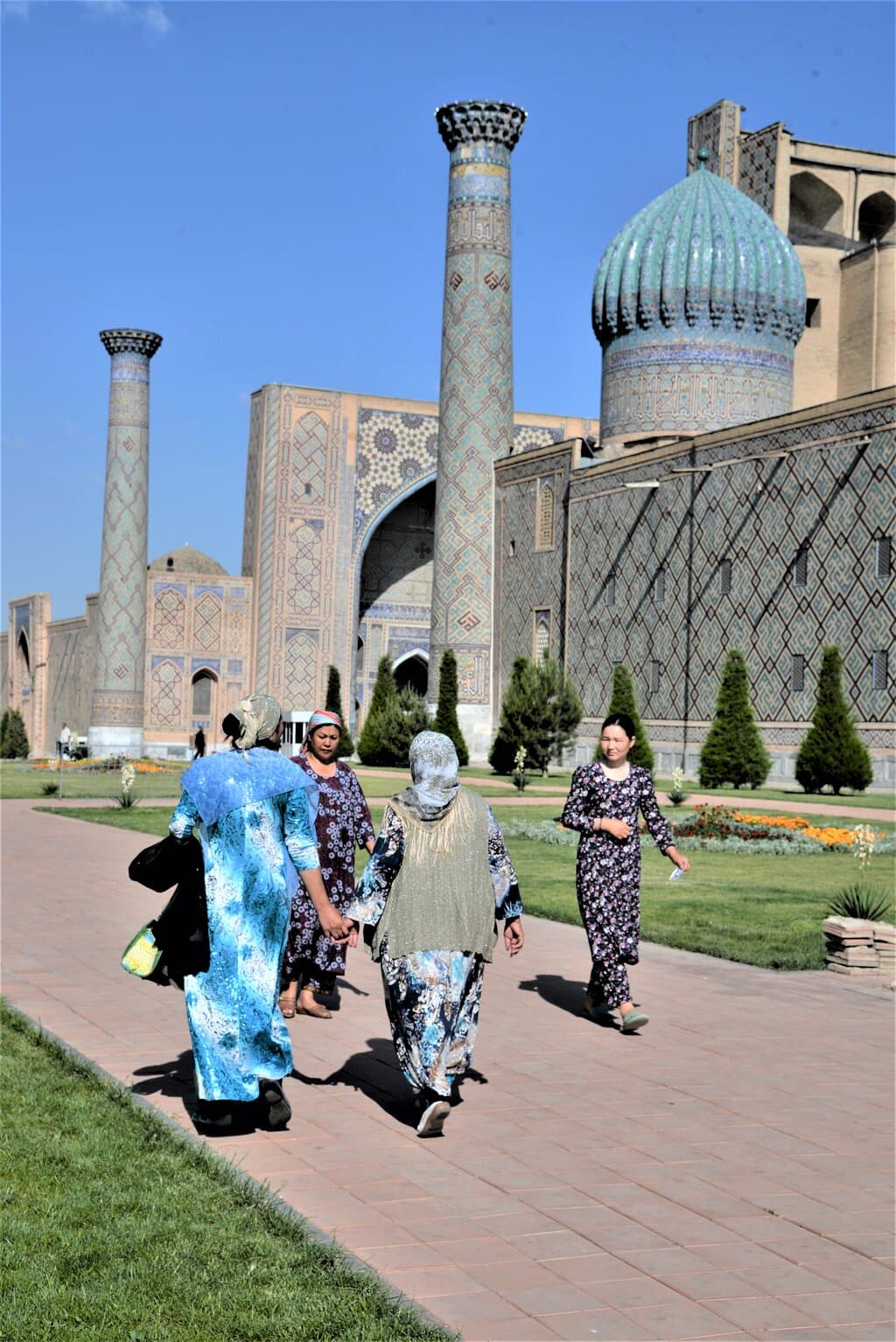
Registan Square is the historic center of Samarkand, featuring three stunning madrasahs (Ulugh Beg, Sher-Dor, and Tilya-Kori) built between the 15th and 17th centuries. These Islamic schools showcase intricate tilework, geometric patterns, and towering portals. Visitors can walk through the courtyards, admire the architectural details, and learn about Central Asian education history. The square is most impressive in morning light when the tiles glow. Allow time to appreciate each madrasah's unique features and climb to upper galleries for panoramic views.
Registan Square
Why Visit
Registan Square represents the pinnacle of Timurid architecture and is considered one of the most impressive public squares in the Islamic world. The scale and preservation of these 600-year-old structures is unparalleled, offering insight into Samarkand's golden age as a center of learning and culture along the Silk Road.
Visit early to avoid crowds and heat. The ticket office opens at 8:00. Consider hiring a local guide at the entrance for deeper historical context. Address: Registan Street, Samarkand.

2
Ancient History and Local Markets
Day 2 of your journey
3
Architectural Masterpieces and Craft Traditions
Day 3 of your journey
4
Cultural Immersion and Culinary Exploration
Day 4 of your journey
Before You Go
Essential Travel Tips
Uzbekistan uses the Uzbek som (UZS). ATMs are widely available in Samarkand, but carry some cash for markets and smaller establishments.
The official language is Uzbek, but Russian is widely spoken. Learning basic greetings in Uzbek (Assalomu alaykum for hello, Rahmat for thank you) is appreciated.
Samarkand has a continental climate with hot summers and cold winters. Spring (April-May) and autumn (September-October) offer the most comfortable temperatures.
Dress modestly when visiting religious sites, covering shoulders and knees. Women should carry a scarf for mosque visits.
Bargaining is expected in markets for non-food items but not in restaurants or fixed-price shops.
Tap water is not recommended for drinking. Bottled water is widely available and inexpensive.
Samarkand is generally safe, but take normal precautions with valuables in crowded areas.
Yandex Taxi is the most reliable ride-hailing app. Agree on taxi fares before getting in if not using an app.
When to Go
Best Time to Visit
The ideal time to visit Samarkand is during spring (April to early June) or autumn (September to October). Spring offers mild temperatures (15-25°C), blooming flowers, and comfortable sightseeing conditions before summer heat. Autumn provides similar pleasant weather with clear skies and harvest season for fresh produce. Summer (July-August) can be extremely hot, often exceeding 35°C, making extensive outdoor exploration challenging. Winter (December-February) is cold with temperatures often below freezing, though fewer tourists and possible snow create a different atmosphere. Some sites may have reduced hours in winter.
Local Insights & Tips
Samarkand has a mix of Uzbek, Tajik, and Russian cultural influences reflecting its Silk Road history. Hospitality is important in local culture, with tea (choy) offered as a welcome gesture. When invited to a local home, remove shoes at the entrance and bring a small gift. Friday is the Muslim holy day, but most sites remain open with possible prayer-related closures around midday. Traditional gender roles are more pronounced than in Western countries, though tourists are generally granted flexibility. The city has conservative and modern areas, with the historic center being more traditional. Respect for elders is emphasized in social interactions. Tipping is not traditionally expected but appreciated in restaurants (5-10%).