4 DaysSudanprovince
North Darfur
Your 4-day travel guide
The most favorable travel period is during the cooler dry season from November to February when daytime temperatures are...
North Darfur•4D•All
North Darfur, Sudan
Duration:4 Days
Activities:12
Best for:All travelers
Cultural Crossroads and Culinary Traditions of Darfur
North Darfur, the largest state in Sudan, offers a profound journey through Saharan landscapes and rich cultural heritage. This region serves as a historical crossroads where Arab, African, and indigenous traditions blend, creating unique cultural expressions. While travel here requires careful planning due to ongoing security concerns, visitors who undertake the journey discover ancient trade routes, traditional markets, and communities maintaining centuries-old customs. The experience focuses on authentic interactions, local cuisine, and understanding the resilience of Darfuri culture amidst challenging circumstances.
Get Real Local Advice
Ask someone who actually lives in North Darfur
1
Urban Introduction and Market Culture
Day 1 of your journey
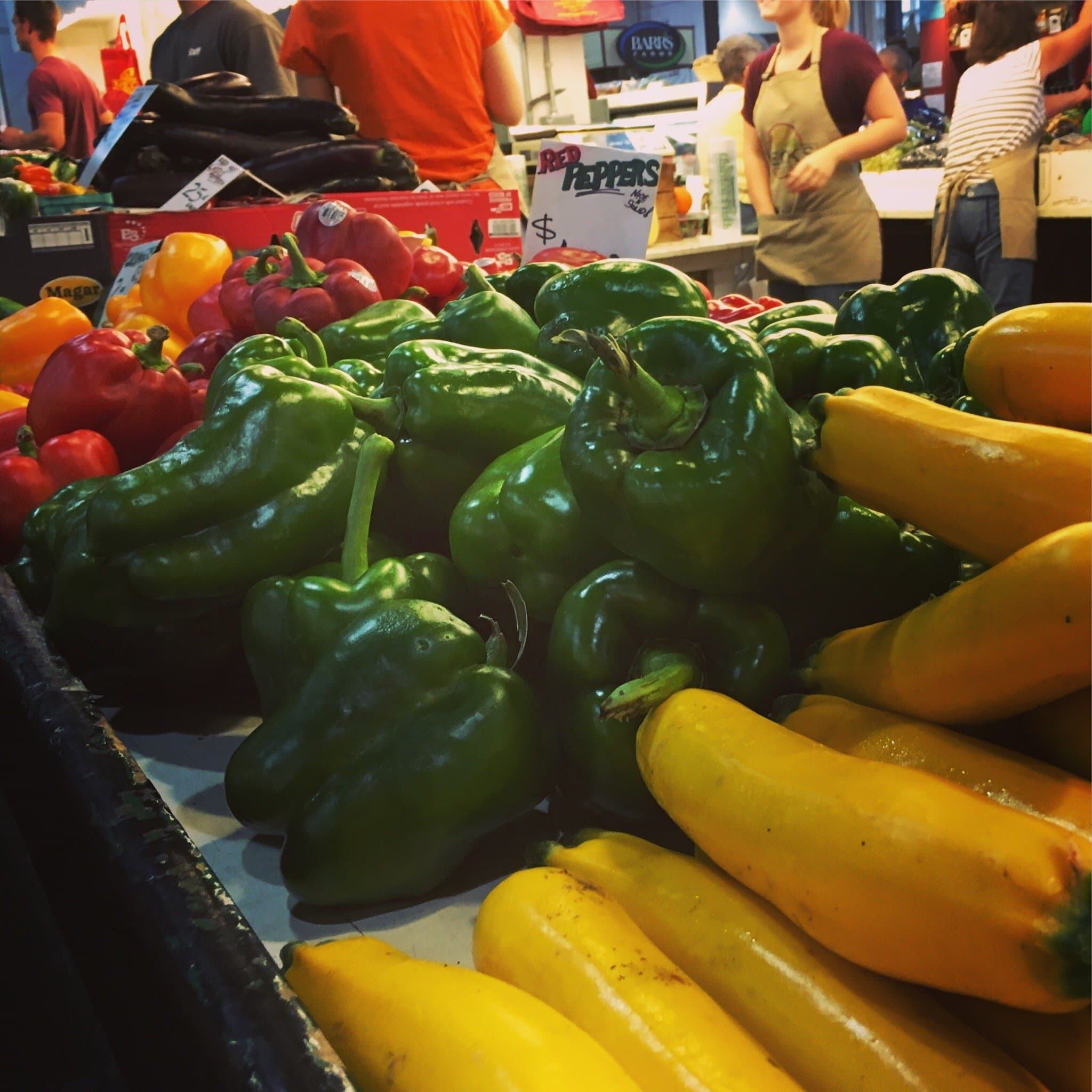
El Fasher's central market serves as the commercial and social heart of North Darfur. This traditional market operates daily from morning until sunset, featuring sections for spices, textiles, pottery, and local produce. Visitors experience the vibrant trading atmosphere where merchants from across Darfur gather. The market offers opportunities to observe daily life and purchase traditional crafts. Morning hours provide the most active trading period before the midday heat intensifies. Allow time to wander through different sections and engage with local vendors.
El Fasher Central Market
Why Visit
This market represents the economic center of North Darfur and provides authentic insight into daily Darfuri life. The experience connects visitors with traditional trading practices that have continued for generations. You'll witness the region's commercial activities firsthand while supporting local artisans and producers through direct purchases of authentic crafts and goods.
Visit early to avoid the hottest part of the day and when produce is freshest. Bargaining is expected but be respectful. Address: Central Market area, El Fasher.
2
Historical Sites and Cultural Exchange
Day 2 of your journey
3
Rural Traditions and Craft Heritage
Day 3 of your journey
4
Cultural Synthesis and Departure
Day 4 of your journey
Before You Go
Essential Travel Tips
Security conditions in North Darfur remain volatile; consult current travel advisories and work with experienced local guides
Foreign visitors typically require travel permits and should register with authorities upon arrival
Cash is essential as banking facilities are limited; bring Sudanese pounds in small denominations
Dress modestly respecting local customs, with loose-fitting clothing covering shoulders and knees
Learn basic Arabic greetings as English is not widely spoken outside urban centers
Travel between locations requires 4WD vehicles and experienced drivers familiar with road conditions
Photography restrictions apply to military installations and government buildings; always ask permission for photos of people
Internet and mobile connectivity are unreliable outside major towns
When to Go
Best Time to Visit
The most favorable travel period is during the cooler dry season from November to February when daytime temperatures are more moderate (typically 25-30°C/77-86°F). The rainy season from June to September makes many roads impassable and travel more challenging. The hot dry season from March to May brings extreme heat (often exceeding 40°C/104°F) and dust storms. Always check current security conditions regardless of season.
Local Insights & Tips
North Darfur's culture reflects the convergence of Arab and African traditions with distinct Darfuri identity. Social interactions emphasize hospitality, with tea serving as a central ritual. Community structures remain important, with traditional leadership systems alongside formal governance. Respect for elders and communal decision-making characterize social relations. Islam is widely practiced with local variations. Cultural expressions include oral poetry, music with traditional instruments like the tambour, and distinctive architectural styles using local materials. Current circumstances require sensitivity to displacement issues and community resilience.