4 DaysPolandprovince
Podlaskie
Your 4-day travel guide
The best time to visit Podlaskie is from late May to September. Late spring (May-June) offers mild weather, blooming nat...
Podlaskie•4D•All
Podlaskie, Poland
Duration:4 Days
Activities:12
Best for:All travelers
Forests, Fortresses, and Flavors of the Borderlands
Podlaskie, Poland's northeastern province, offers a journey through centuries of history and diverse cultures. This region, known for its vast Białowieża Forest—Europe's last primeval woodland—and its position at the crossroads of Polish, Belarusian, Lithuanian, and Tatar heritage, provides a deeply authentic experience. For couples seeking culture and cuisine, Podlaskie delivers with historic wooden architecture, powerful museums documenting complex histories, and a culinary scene shaped by its multicultural past. From the baroque palaces of Białystok to the quiet Orthodox churches of the countryside, this itinerary explores the soul of Poland's wild east at a relaxed, romantic pace.
Get Real Local Advice
Ask someone who actually lives in Podlaskie
1
Historic Capital and Multicultural Tastes
Day 1 of your journey
Begin your trip at the 'Versailles of Poland,' the magnificent 18th-century Branicki Palace. While the interior houses medical university facilities, the extensive French-style gardens are open to the public. Stroll along manicured paths, admire the ornate sculptures and fountains, and relax in the serene green space. The gardens are beautiful year-round, with spring and summer offering the most floral displays. This is a perfect, peaceful start for a couple, with plenty of photo opportunities around the grand palace facade.
Branicki Palace
Why Visit
The palace gardens are the most significant historical landmark in Białystok, representing the city's aristocratic past under the powerful Branicki family. They provide a beautiful, spacious setting for a leisurely walk, offering a glimpse into 18th-century landscape design and a quiet escape right in the city center, ideal for couples to enjoy together.
Enter the gardens via the main gate on Jana Kilińskiego Street. For a different perspective, walk around to the back of the palace to see the Orangery building. Address: Jana Kilińskiego 1.

2
Wilderness and Wooden Architecture
Day 2 of your journey
3
Fortress Town and Tatar Heritage
Day 3 of your journey
4
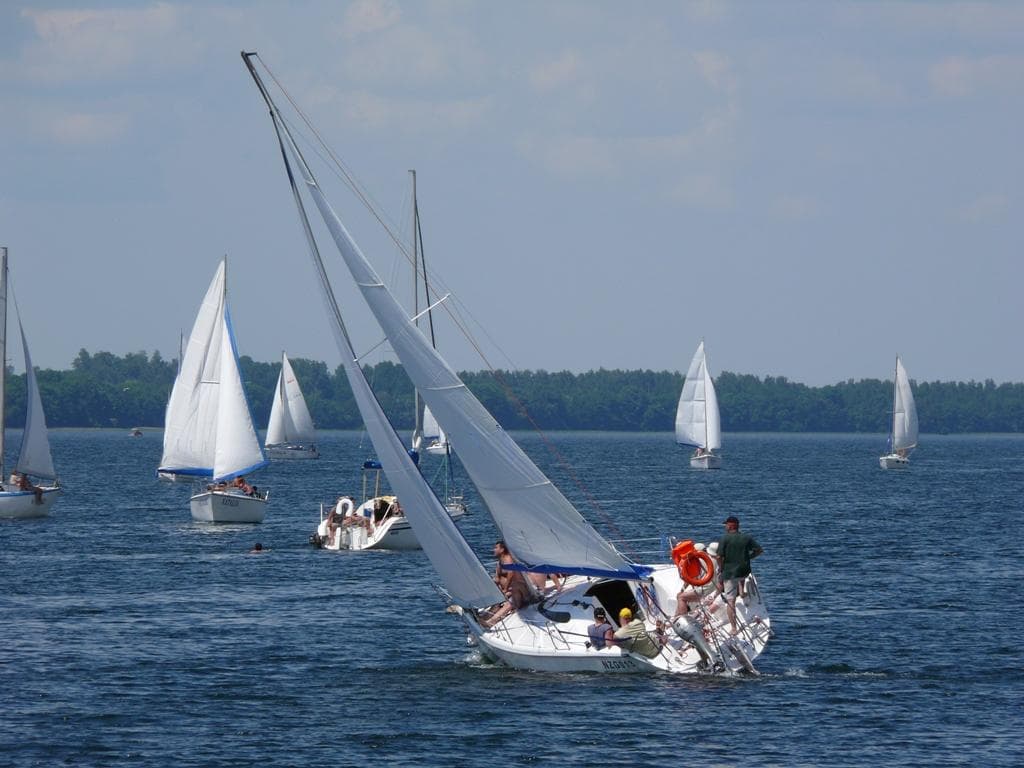
Augustów Canal and Lakeside Relaxation
Day 4 of your journey
Before You Go
Essential Travel Tips
The local currency is the Polish Złoty (PLN). Credit cards are widely accepted in cities and larger towns, but carry some cash for rural areas, markets, and small restaurants.
Basic Polish phrases are appreciated. In tourist areas, younger people often speak some English, but in smaller villages, it can be limited. A translation app is useful.
Podlaskie is generally very safe. Standard precautions for rural travel apply: be aware of your surroundings when driving on quiet roads at night.
Public transport between smaller towns and villages can be infrequent. Renting a car is highly recommended for the flexibility needed to follow this itinerary, especially for days 2, 3, and 4.
Dress modestly when visiting active religious sites like Orthodox churches, the Tatar mosque, and cemeteries. This means covering shoulders and knees for both men and women.
Restaurant tipping is customary in Poland. Round up the bill or leave 10% for good service. It's not mandatory but is a common practice.
The tap water is safe to drink throughout Poland.
Many museums and attractions are closed on Mondays. Always check opening hours online before visiting, especially for specific sites like the Tykocin Synagogue or Białowieża guided tours.
When to Go
Best Time to Visit
The best time to visit Podlaskie is from late May to September. Late spring (May-June) offers mild weather, blooming nature, and fewer crowds. Summer (July-August) is warm and sunny, ideal for lake activities and forest walks, but it's the peak tourist season, so popular sites like Białowieża can be busier. Early autumn (September) is also excellent, with pleasant temperatures and beautiful fall colors in the forests, especially striking in Białowieża. Winters are cold and snowy, which can be beautiful but may limit access to some rural areas and outdoor activities.
Local Insights & Tips
Podlaskie is a region defined by its borderland history and mix of cultures—Polish, Belarusian, Lithuanian, Ukrainian, and Tatar. This diversity is visible in architecture, heard in languages and accents, and tasted in the cuisine. Life moves at a slower pace here compared to western Poland. The people are often reserved but genuinely hospitable. Respect for tradition and religion is strong, particularly in rural areas. The landscape is flat or gently rolling, dominated by agriculture and, most notably, vast forests. The Białowieża Forest is a source of great local pride and environmental consciousness. When visiting religious sites or small communities, a quiet, respectful demeanor is always appreciated.