4 DaysPhilippinesprovince
Zamboanga Sibugay
Your 4-day travel guide
The best time to visit Zamboanga Sibugay is during the dry season from December to May, when rainfall is minimal and tem...
Zamboanga Sibugay•4D•All
Zamboanga Sibugay, Philippines
Duration:4 Days
Activities:12
Best for:All travelers
Coastal Flavors and Cultural Crossroads
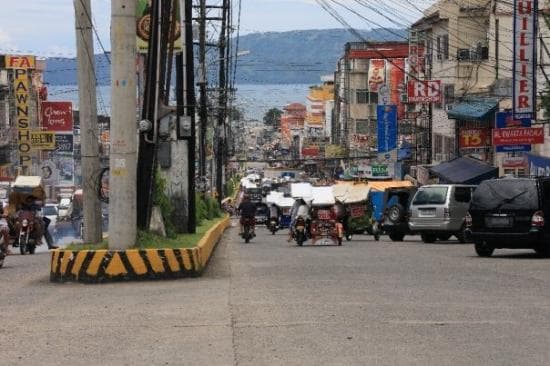
Zamboanga Sibugay, located in the southwestern Philippines, is a province where land and sea meet to create a unique cultural and culinary landscape. Formed in 2001 from parts of Zamboanga del Sur, it's known for its rich marine resources, agricultural plains, and a mix of cultures including Subanen, Tausug, and Visayan influences. For couples seeking an authentic experience, this itinerary explores the province's heart through its food, history, and community life, moving from the provincial capital to coastal towns and rural areas. The pace is relaxed, allowing for discovery and connection, with a focus on shared experiences that highlight local traditions and flavors.
Get Real Local Advice
Ask someone who actually lives in Zamboanga Sibugay
1
Provincial Capital Introduction
Day 1 of your journey
Start your trip at the seat of provincial government, a modern complex that reflects the area's growth. Walk around the grounds to see the main capitol building and nearby landmarks like the People's Park. It's a good introduction to the province's administrative center and offers photo opportunities with clean, open spaces. Visit in the morning to avoid the midday heat, and plan for about an hour to stroll and take in the local atmosphere.
Zamboanga Sibugay Provincial Capitol
Why Visit
This provides a grounded start to understanding Zamboanga Sibugay's identity as a young province. It's a practical way to orient yourself in Ipil, see where local governance happens, and appreciate the community's pride in their capital. For couples, it's a low-key activity that sets the tone for exploring together without crowds.
The complex is located along the national highway, making it easy to access. Address: Provincial Capitol, Ipil, Zamboanga Sibugay. Combine this with a visit to nearby eateries for a mid-morning snack.

2
Coastal Culture and Seafood
Day 2 of your journey
3
Rural Exploration and Local Crafts
Day 3 of your journey
4
Cultural Reflection and Departure
Day 4 of your journey
Before You Go
Essential Travel Tips
Use Philippine Pesos (PHP) for all transactions; ATMs are available in Ipil but may be limited in smaller towns.
Learn basic Filipino phrases like 'Salamat' (Thank you) and 'Magkano?' (How much?) to ease interactions.
Dress modestly, especially when visiting rural areas or religious sites, to respect local customs.
Stay hydrated and use sun protection, as the climate can be hot and humid year-round.
Be cautious with street food; choose busy stalls to ensure freshness and hygiene.
Keep copies of your ID and travel documents, as some areas may have security checkpoints.
Use jeepneys and vans for inter-town travel; they are affordable but can be crowded, so plan for extra time.
Check local news for any travel advisories, as conditions can change in Mindanao regions.
When to Go
Best Time to Visit
The best time to visit Zamboanga Sibugay is during the dry season from December to May, when rainfall is minimal and temperatures are warm, making it ideal for travel and outdoor activities. This period avoids the heavy rains of the wet season (June to November), which can cause road disruptions and limit exploration. However, even in the dry season, occasional showers are possible. Tourist crowds are generally low year-round, so you can enjoy a more authentic experience without peak season hassles.
Local Insights & Tips
Zamboanga Sibugay has a mix of cultures, including Subanen indigenous groups, Muslim communities, and Christian settlers, leading to a diverse social fabric. Respect local customs by greeting people politely and asking permission before taking photos, especially in rural or fishing areas. The province is relatively conservative, so modest dress is appreciated. Food culture centers on fresh seafood, grilled meats, and rice-based dishes, often shared communally. Life moves at a slower pace here, so embrace the relaxed rhythm and engage with locals to learn about their traditions. Safety-wise, stay informed about local conditions, as some parts of Mindanao may have security concerns, but tourist areas like Ipil are generally peaceful.