4 DaysPhilippinesprovince
Davao De Oro
Your 4-day travel guide
The best time to visit Davao de Oro is during the dry season from December to May, when rainfall is less frequent and ro...
Davao De Oro•4D•All
Davao De Oro, Philippines
Duration:4 Days
Activities:12
Best for:All travelers
Mountain Heritage and Culinary Treasures of Southern Mindanao
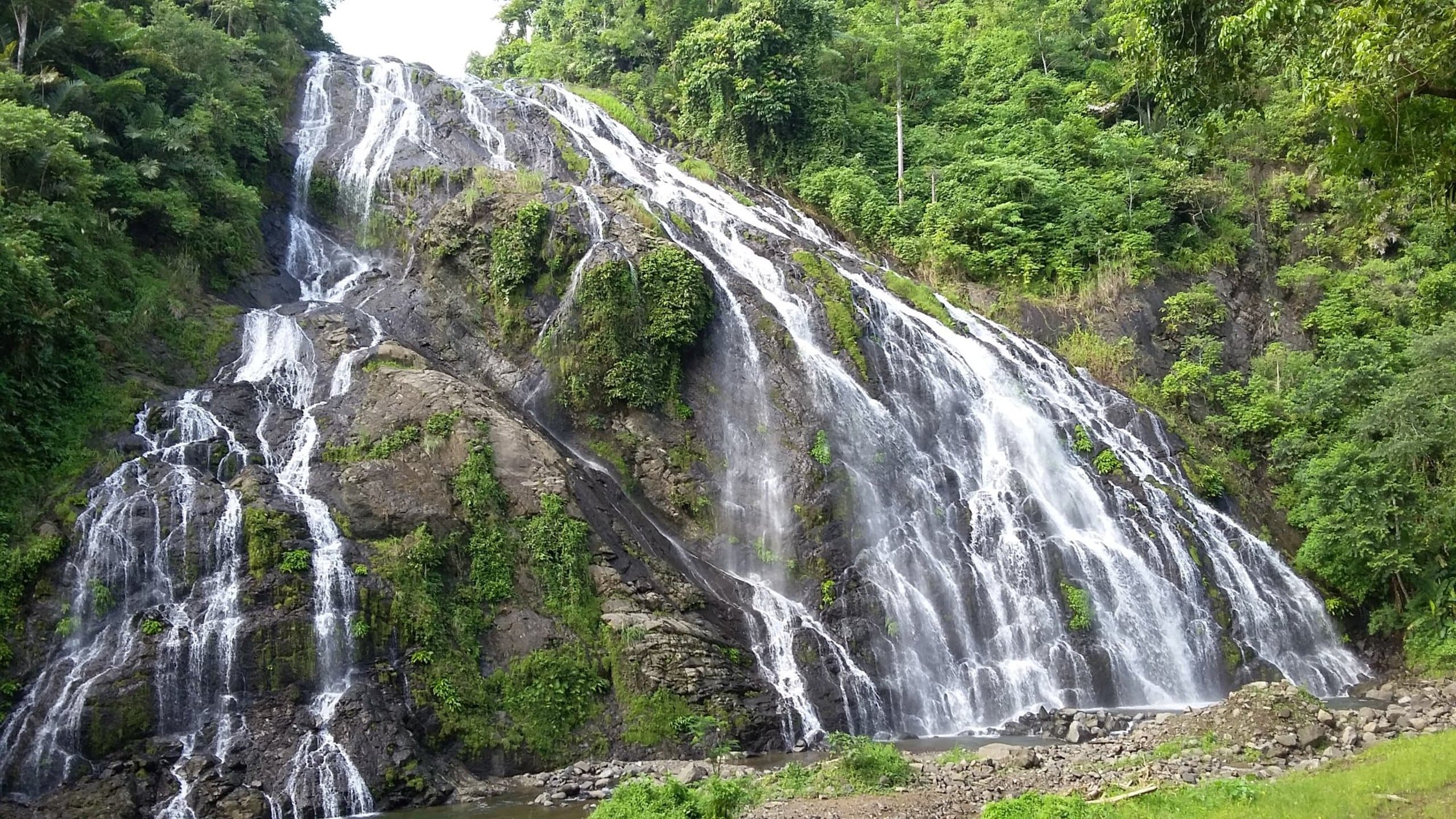
Davao de Oro, formerly known as Compostela Valley, is a province in the southern Philippines that offers a rich blend of cultural heritage and natural beauty. Located in the Davao Region of Mindanao, it's characterized by mountainous terrain, agricultural valleys, and a mix of indigenous and settler communities. This itinerary focuses on the province's cultural depth through its museums, historical sites, and local traditions, while also highlighting its distinctive culinary offerings. As a couple exploring this region, you'll discover intimate cultural experiences and authentic local flavors that showcase the province's unique identity beyond its well-known mining and agricultural industries.
Get Real Local Advice
Ask someone who actually lives in Davao De Oro
1
Provincial Capital and Cultural Introduction
Day 1 of your journey
Start your journey at the provincial museum located at the Capitol Complex. This museum showcases the cultural heritage, history, and natural resources of Davao de Oro through various exhibits. You'll see artifacts from indigenous groups like the Mansaka and Mandaya, displays about the province's mining and agricultural history, and traditional crafts. The museum provides essential context for understanding the region's development. Plan to spend about 1-2 hours here to appreciate the comprehensive collection that tells the story of this relatively young province, which was created in 1998.
Davao de Oro Provincial Museum
Why Visit
This museum offers the most comprehensive introduction to Davao de Oro's cultural identity, providing essential historical context before exploring other parts of the province. As a couple interested in culture, you'll gain valuable insights into the indigenous traditions and modern development that shape the region. The exhibits help visitors understand the province's unique position within Mindanao's cultural landscape.
Visit on weekdays for a quieter experience. The museum is typically open from 8:00 AM to 5:00 PM. Address: Capitol Complex, Poblacion, Nabunturan, Davao de Oro.

2
Mining History and Mountain Town Charm
Day 2 of your journey
3
Agricultural Valleys and Community Culture
Day 3 of your journey
4
Coastal Culture and Culinary Synthesis
Day 4 of your journey
Before You Go
Essential Travel Tips
Davao de Oro uses Philippine Pesos (PHP). ATMs are available in town centers but may be limited in remote areas, so carry sufficient cash.
The primary languages are Cebuano (Bisaya) and Filipino (Tagalog). English is widely understood in tourist areas and by younger residents.
Public transportation includes buses, vans (UV Express), and jeepneys between towns. For more flexibility, consider hiring a private vehicle with driver.
Respect local customs, especially when visiting indigenous communities. Ask permission before taking photographs of people or cultural ceremonies.
Dress modestly when visiting cultural sites and rural communities. Light, breathable clothing is practical for the tropical climate.
Check travel advisories and local conditions, as some remote areas may have accessibility limitations during rainy seasons.
Mobile signal can be intermittent in mountainous areas. Download offline maps and important information before traveling between towns.
Many establishments accept cash only, especially in markets and smaller eateries. Keep smaller bills for easier transactions.
When to Go
Best Time to Visit
The best time to visit Davao de Oro is during the dry season from December to May, when rainfall is less frequent and roads are more reliably passable. The months of January to April offer particularly favorable conditions with lower humidity and minimal rain. The wet season from June to November brings heavier rainfall that can affect travel to some areas, especially in mountainous regions where roads may become difficult. While the province can be visited year-round, the dry season provides more predictable conditions for exploring multiple towns and engaging in cultural activities without weather disruptions.
Local Insights & Tips
Davao de Oro has a mix of cultural influences from indigenous groups like the Mansaka and Mandaya, settlers from other parts of the Philippines, and modern developments. Respect for elders and community values is important in local culture. When visiting indigenous communities, observe protocols such as seeking permission from community leaders. The province has a relatively young identity, having been created in 1998 from parts of Davao del Norte, which affects how residents perceive their provincial identity. Local festivals celebrate agricultural harvests, cultural heritage, and religious traditions. Food culture emphasizes fresh ingredients from local farms and traditional preparation methods. The pace of life is generally relaxed outside of town centers, reflecting the province's agricultural and rural character.