4 DaysPakistan
Parachinar
Your 4-day travel guide
The best time to visit Parachinar is during spring (March to May) and autumn (September to November) when temperatures a...
Parachinar•4D•All
Parachinar, Pakistan
Duration:4 Days
Activities:12
Best for:All travelers
Frontier Flavors and Mountain Traditions
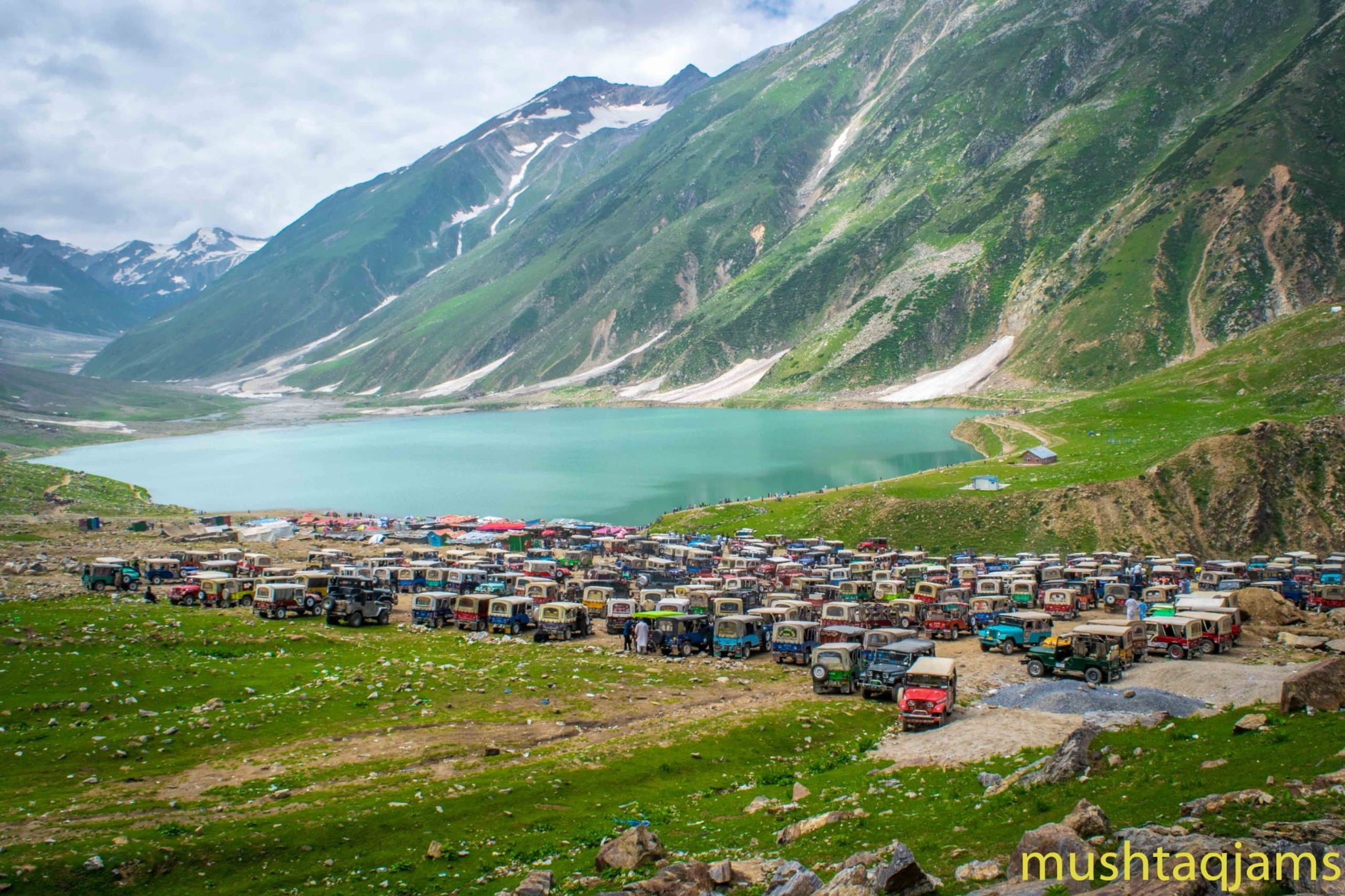
Parachinar, the capital of Kurram District in Pakistan's Khyber Pakhtunkhwa province, offers a unique cultural experience at the crossroads of Pashtun traditions and frontier history. Located in a valley surrounded by the mountains of the Hindu Kush range, this city serves as a commercial and cultural hub for the region. Visitors will find a mix of local markets, historic sites, and authentic Pashtun cuisine that reflects its strategic position near the Afghanistan border. The city's character is shaped by its tribal heritage and the natural beauty of the surrounding landscape, providing opportunities to experience traditional hospitality and local customs.
Get Real Local Advice
Ask someone who actually lives in Parachinar
1
Cultural Introduction and Market Exploration
Day 1 of your journey
Begin your visit at Parachinar's central market area, where daily commerce and social life converge. This traditional bazaar features shops selling local handicrafts, textiles, spices, and fresh produce. You'll experience the rhythm of local life as residents shop for daily needs and socialize. The market is busiest in the morning when fresh goods arrive. Allow time to browse the various sections and observe traditional trading practices that have continued for generations in this frontier region.
Parachinar Main Bazaar
Why Visit
The Main Bazaar provides authentic insight into daily life in Parachinar and showcases traditional Pashtun commerce. As a couple, you can experience local culture together while browsing unique handicrafts that make meaningful souvenirs. The market's atmosphere offers genuine cultural immersion that you won't find in more tourist-oriented destinations.
Visit in the late morning when the market is active but not overly crowded. Bargaining is expected for most items except fixed-price goods. Address: Central Parachinar market area along the main commercial street.

2
Mountain Views and Traditional Crafts
Day 2 of your journey
3
Community Life and Evening Culture
Day 3 of your journey
4
Final Explorations and Departure Preparation
Day 4 of your journey
Before You Go
Essential Travel Tips
Check current travel advisories and security conditions before visiting, as border regions can have variable situations
Dress modestly with covered shoulders and legs, especially when visiting religious sites or conservative areas
Carry Pakistani rupees in smaller denominations for market purchases and local transactions
Learn basic Pashto greetings like 'Salaam alaikum' (hello) and 'Manana' (thank you) to show cultural respect
Be prepared for basic accommodation options as Parachinar has limited tourist infrastructure
Respect local customs regarding photography, especially of people and religious sites
Travel with copies of identification documents and register with local authorities if required
Drink bottled water and be cautious with street food if you have sensitive digestion
When to Go
Best Time to Visit
The best time to visit Parachinar is during spring (March to May) and autumn (September to November) when temperatures are moderate and weather is generally stable. Summers can be hot, though less extreme than in lower elevations, while winters bring cold temperatures and possible snowfall that might affect travel. The mountain location means temperatures are cooler than in plains areas of Pakistan, but seasonal variations still significantly impact comfort and accessibility. Consider that some periods might have cultural or religious observances affecting normal activities.
Local Insights & Tips
Parachinar's culture is predominantly Pashtun with strong tribal traditions and conservative social norms. Hospitality is highly valued, and visitors might experience traditional welcoming customs. Gender roles tend to be traditional, with public spaces often divided by gender. The city's location near the Afghanistan border influences its cultural mix and economic activities. Friday is the weekly holiday when many businesses close for prayers and family time. During Ramadan, eating and drinking in public during daylight hours is discouraged. The local economy revolves around trade, agriculture, and cross-border commerce. Understanding these cultural contexts will enhance your experience and help you interact respectfully with residents.