4 DaysPakistanprovince
Gilgit-baltistan
Your 4-day travel guide
The optimal time to visit Gilgit-Baltistan is from May to October when the weather is most favorable. During these month...
Gilgit-baltistan•4D•All
Gilgit-baltistan, Pakistan
Duration:4 Days
Activities:12
Best for:All travelers
Mountain Cultures and Flavors of the Karakoram
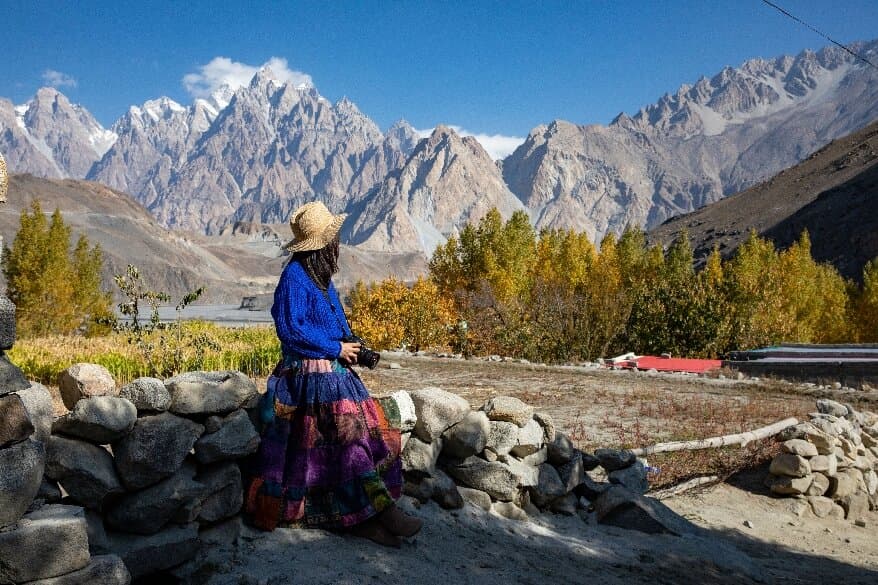
Gilgit-Baltistan, Pakistan's northernmost administrative territory, offers a dramatic landscape where the world's highest mountain ranges converge. This region, often called the 'Roof of the World,' presents a unique mix of cultures with influences from Central Asia, Tibet, and South Asia. For couples seeking cultural immersion and culinary discovery, Gilgit-Baltistan provides an unforgettable journey through ancient trade routes, traditional villages, and high-altitude valleys. The region's distinct identity is shaped by its history as part of the Silk Road and its diverse ethnic communities including Balti, Shina, and Wakhi peoples.
Get Real Local Advice
Ask someone who actually lives in Gilgit-baltistan
1
Cultural Introduction and Urban Exploration
Day 1 of your journey
Gilgit Bazaar serves as the commercial and cultural center of the city, offering a traditional market experience. Visitors can explore narrow alleys filled with shops selling local handicrafts, dried fruits, spices, and traditional clothing. The bazaar provides insight into daily life and commerce in this mountain city. Morning is the best time to visit when the market is most active, and you can spend 2-3 hours exploring the various sections and interacting with local shopkeepers.
Gilgit Bazaar
Why Visit
This market offers authentic cultural immersion where you can observe traditional trading practices and purchase local products directly from artisans. The bazaar represents the commercial heart of Gilgit and provides opportunities to understand the region's economy and daily rhythms. For couples, it's a chance to shop for unique souvenirs together while experiencing the local atmosphere.
Visit the carpet shops in the older section for traditional handwoven rugs. Bargaining is expected but be respectful. Address: Main Bazaar Road, Gilgit.

2
Ancient Rock Art and Mountain Views
Day 2 of your journey
3
Balti Culture and High Mountain Pass
Day 3 of your journey
4
Cultural Synthesis and Departure
Day 4 of your journey
Before You Go
Essential Travel Tips
Obtain necessary permits in advance if planning to visit restricted areas near borders
Carry Pakistani rupees in smaller denominations as credit cards are rarely accepted outside major hotels
Dress modestly respecting local customs, especially when visiting religious sites
Acclimatize to high altitude gradually to avoid altitude sickness
Learn basic Urdu phrases for communication as English is limited outside tourist areas
Carry water purification tablets or bottled water as tap water is not safe to drink
Check road conditions before traveling between cities as mountain roads can be affected by weather
Respect local customs regarding photography, especially of people and religious sites
When to Go
Best Time to Visit
The optimal time to visit Gilgit-Baltistan is from May to October when the weather is most favorable. During these months, temperatures are moderate, mountain passes are generally open, and most tourist facilities are operational. July and August offer the warmest weather but also see more tourists. Spring (April-May) brings blooming fruit trees in the valleys, while autumn (September-October) offers clear skies and colorful foliage. Winter months (November-March) see heavy snowfall that can close roads and limit access to many areas.
Local Insights & Tips
Gilgit-Baltistan comprises multiple distinct cultural regions with their own traditions. The Hunza Valley is known for its longevity and distinct cultural practices, while Baltistan has stronger Tibetan cultural influences. Respect for elders and traditional authority structures remains important across the region. Hospitality is highly valued, and visitors may be invited for tea or meals. Religious practices are predominantly Islamic, with variations between Sunni and Shia communities. Traditional music and dance continue to be part of cultural celebrations. The region has a strong oral tradition of storytelling and poetry that reflects its history and environment.