4 DaysLesothocountry
Lesotho
Your 4-day travel guide
The best time to visit Lesotho is during the dry season from May to September. These months offer clear skies, comfortab...
Lesotho•4D•All
Lesotho, Lesotho
Duration:4 Days
Activities:12
Best for:All travelers
Mountain Kingdom Culture and Cuisine
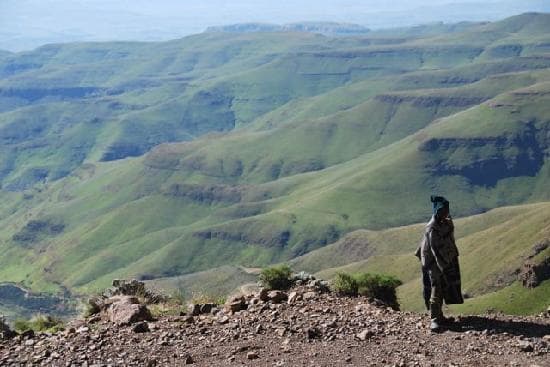
Lesotho, the 'Kingdom in the Sky,' offers a unique travel experience as the world's only country entirely above 1,000 meters. This mountainous nation provides dramatic landscapes, rich Basotho culture, and warm hospitality. For couples seeking cultural immersion and authentic food, Lesotho delivers with traditional villages, pony trekking adventures, and hearty local cuisine. From the capital Maseru to remote highland communities, you'll discover a country where ancient traditions thrive amidst stunning natural beauty. This itinerary balances cultural exploration with romantic mountain settings, perfect for couples wanting an off-the-beaten-path African adventure.
Get Real Local Advice
Ask someone who actually lives in Lesotho
1
Capital Introduction and Cultural Foundations
Day 1 of your journey
The Lesotho National Museum provides an excellent introduction to Basotho culture and history. You'll see traditional Basotho blankets, archaeological artifacts, and exhibits on the country's development. The museum offers insight into the Sotho people's traditions, from initiation ceremonies to daily village life. Plan for about 90 minutes to explore the main exhibits. The museum is typically open Monday to Friday from 8:00 to 16:30, with shorter hours on weekends.
Lesotho National Museum
Why Visit
This museum establishes essential cultural context for your entire Lesotho journey. Understanding Basotho traditions, clothing, and history will enrich every subsequent experience. The exhibits on traditional blankets are particularly fascinating, showing how these garments communicate status, age, and life events. It's the perfect starting point for cultural exploration.
Address: Pioneer Road, Maseru. Ask about the significance of different blanket patterns - each tells a story about the wearer's life stage and achievements. The museum shop sells authentic Basotho crafts at fair prices.

2
Mountain Culture and Traditional Villages
Day 2 of your journey
3
Pony Trekking and Remote Communities
Day 3 of your journey
4
Waterfall Wonders and Return Journey
Day 4 of your journey
Before You Go
Essential Travel Tips
Lesotho uses the Loti (plural: Maloti), pegged 1:1 with South African Rand. Both currencies are accepted everywhere.
Basic Sesotho phrases are appreciated: 'Lumela' (hello), 'Kea leboha' (thank you), 'Ho jwang?' (how are you?).
Dress modestly, especially when visiting villages. Shoulders and knees should be covered as respect for local customs.
Altitude sickness can affect some visitors. Acclimatize gradually, stay hydrated, and avoid alcohol initially.
Road conditions vary greatly. 4x4 vehicles are recommended for mountain areas, especially after rain.
Tap water is generally safe in cities but bottled water is recommended in remote areas.
Respect when taking photos of people - always ask permission first, especially in villages.
Lesotho has cool evenings year-round. Pack layers including warm clothing even in summer.
When to Go
Best Time to Visit
The best time to visit Lesotho is during the dry season from May to September. These months offer clear skies, comfortable daytime temperatures (10-20°C), and excellent visibility for mountain views. Winter (June-August) brings occasional snow in high areas, creating dramatic landscapes. The rainy season (October to April) makes mountain roads challenging and can limit access to remote areas. September and October offer wildflowers in bloom, while December to February are warmest but with frequent afternoon thunderstorms.
Local Insights & Tips
Basotho culture emphasizes respect for elders and community harmony. When greeting, a slight bow or curtsy shows respect. The traditional Basotho blanket is more than clothing - different patterns indicate age, status, and life achievements. Meals are often communal, with everyone eating from shared dishes. Pony trekking isn't just tourism - it's traditional transportation in these mountains. In villages, the chief's permission is valued before visiting. Sunday is strongly observed as a day of rest and worship. Hospitality is deeply valued; accepting tea or food when offered shows respect for this tradition. Lesotho's mountain geography has preserved distinct cultural practices despite modernization.