4 DaysLebanonprovince
Mont-liban
Your 4-day travel guide
The best times to visit Mont-Liban are spring (April to June) and autumn (September to November). During these months, t...
Mont-liban•4D•All
Mont-liban, Lebanon
Duration:4 Days
Activities:12
Best for:All travelers
Cedar Forests, Ancient Temples, and Lebanese Flavors
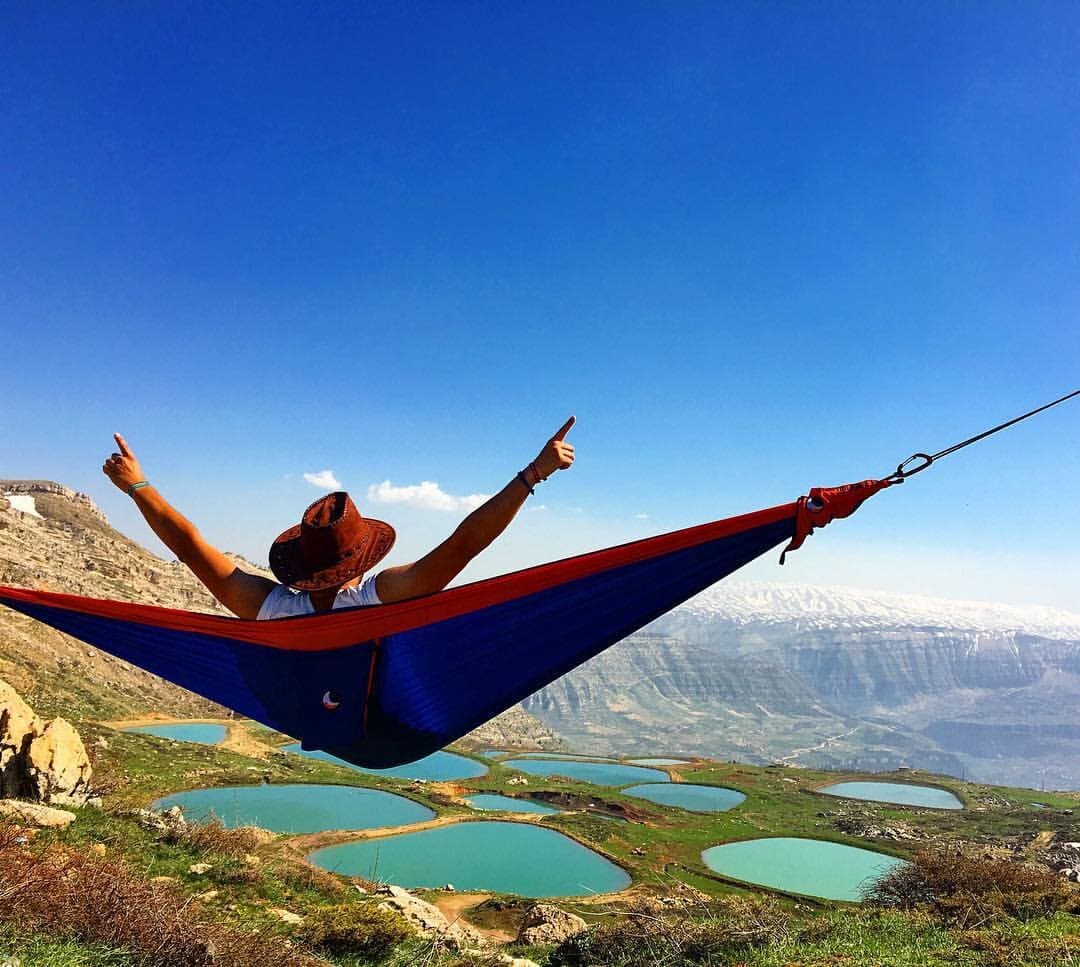
Mont-Liban, the mountainous heart of Lebanon, offers a rich blend of history, culture, and culinary excellence. This province stretches from the Mediterranean coast up into the Mount Lebanon range, featuring historic cities, traditional mountain villages, and stunning natural landscapes. For couples seeking culture and food, it presents ancient ruins, important religious sites, world-class museums, and a food scene celebrated for its mezze, grilled meats, and fresh produce. The itinerary connects Beirut's energy with the serene mountains and coastal towns, creating a balanced journey through Lebanon's diverse heritage.
Get Real Local Advice
Ask someone who actually lives in Mont-liban
1
Historic Beirut and Culinary Introduction
Day 1 of your journey
The National Museum of Beirut houses an extensive collection of artifacts from prehistoric times to the Ottoman period. Visitors will see Phoenician sarcophagi, Roman mosaics, and medieval Islamic art. The museum provides a chronological overview of Lebanon's archaeological heritage. Plan for about two hours to appreciate the main exhibits. It's best visited in the morning to avoid crowds and heat.
National Museum of Beirut
Why Visit
This museum is essential for understanding Lebanon's layered history, from the Phoenicians to the Romans and beyond. The collection is well-curated and provides context for the archaeological sites you'll visit later. It's a foundational cultural experience that makes the ruins across the country more meaningful.
Check the museum's website for current opening hours, as they can vary. The audio guide is highly recommended for detailed explanations. Address: Museum Street, Beirut.

2
Roman Heritage and Mountain Scenery
Day 2 of your journey
3
Mountain Villages and Cedar Forests
Day 3 of your journey
4
Coastal Relaxation and Farewell Feast
Day 4 of your journey
Before You Go
Essential Travel Tips
The local currency is the Lebanese Pound (LBP), but US dollars are widely accepted. Always carry small bills in both currencies.
Arabic is the official language. French and English are commonly spoken in tourist areas, especially in Beirut.
Taxis are plentiful but often don't use meters. Agree on a fare before getting in, or use ride-hailing apps like Uber or Careem.
Dress modestly when visiting religious sites (shoulders and knees covered).
Lebanese hospitality is warm; tipping is customary in restaurants (around 10%).
Tap water is not generally safe to drink; stick to bottled water.
Check your government's travel advisories before your trip for the latest safety information.
Weekends are Friday and Saturday; some shops and sites may have reduced hours on Sundays.
When to Go
Best Time to Visit
The best times to visit Mont-Liban are spring (April to June) and autumn (September to November). During these months, the weather is mild and pleasant, ideal for exploring both coastal areas and mountains. Spring brings wildflowers to the hills, while autumn offers clear skies and comfortable temperatures. Summers (July and August) can be hot and humid on the coast, though the mountains remain cooler. Winters (December to March) bring rain and snow to the higher elevations, which can be beautiful but may limit access to some mountain roads and sites.
Local Insights & Tips
Lebanese culture places high value on family, food, and hospitality. Meals are social events, often involving sharing many small dishes (mezze). It's common for locals to invite guests for coffee or a meal. In conversations, avoid sensitive topics like politics and regional conflicts. When dining, expect a leisurely pace; rushing a meal is uncommon. In mountain villages like Bcharre, life is more traditional and slower-paced compared to Beirut. A simple greeting in Arabic, like 'Marhaba' (hello), is appreciated. Respect religious sites by dressing conservatively and behaving quietly.