4 DaysJapan
Kumamoto
Your 4-day travel guide
The optimal time to visit Kumamoto is during spring (March to May) when cherry blossoms typically bloom in late March to...
Kumamoto•4D•All
Kumamoto, Japan
Duration:4 Days
Activities:12
Best for:All travelers
Castles, Cuisine, and Kumamoto's Cultural Heart
Kumamoto, located on Japan's southern island of Kyushu, is a city where history and modern life blend seamlessly. Known for its magnificent castle, one of Japan's three premier castles, Kumamoto offers a deep cultural experience alongside exceptional local cuisine. The city has shown remarkable resilience following the 2016 earthquakes, with restoration efforts that have revitalized its historic sites while maintaining their authentic character. For couples seeking a cultural and culinary journey, Kumamoto provides intimate experiences, from exploring castle grounds to savoring the region's famous horse meat dishes and basashi. The city's manageable size and walkable neighborhoods make it perfect for relaxed exploration.
Get Real Local Advice
Ask someone who actually lives in Kumamoto
1
Castle and Historical Exploration
Day 1 of your journey
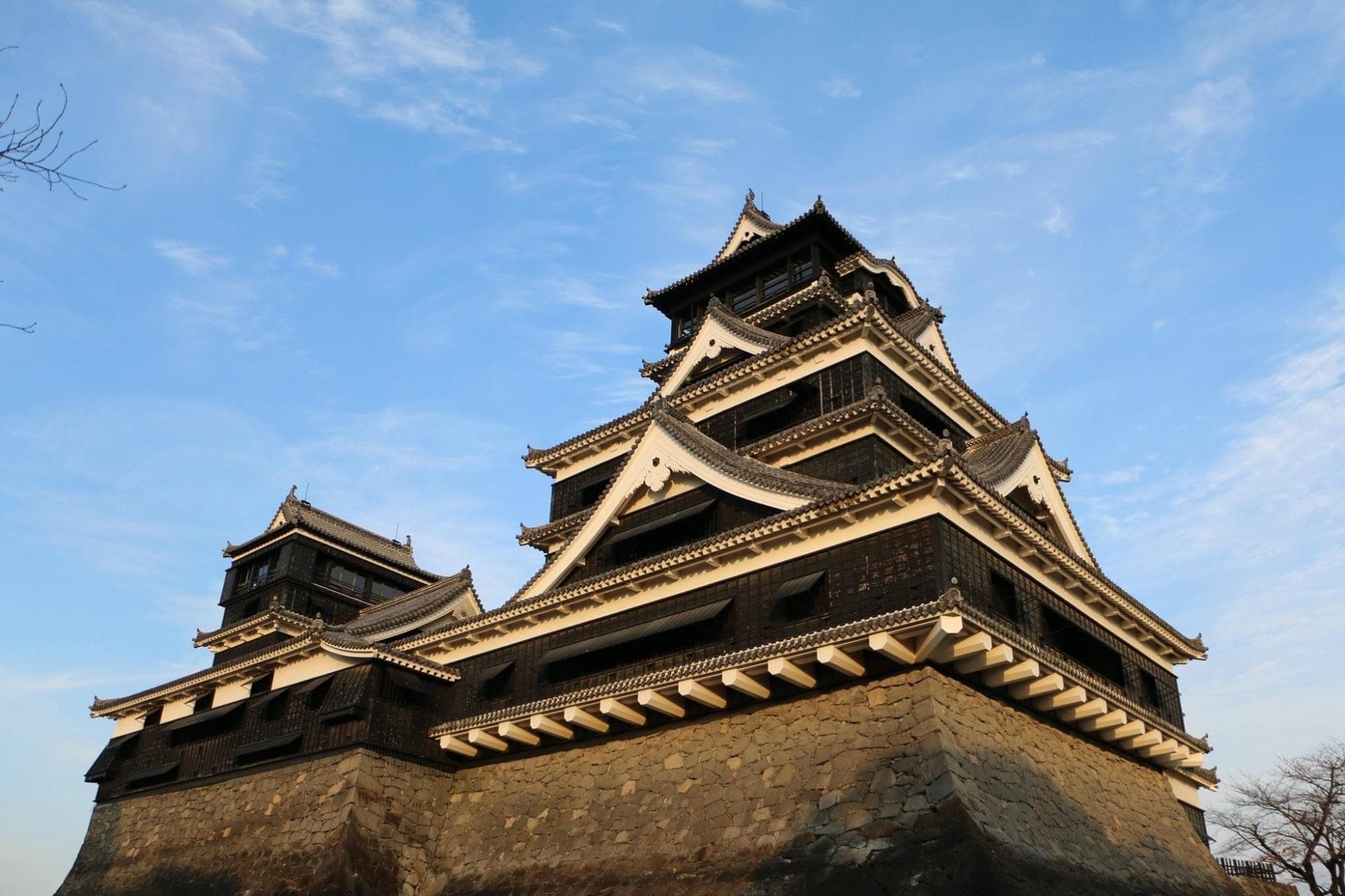
Kumamoto Castle, originally built in 1607, stands as one of Japan's most impressive feudal fortifications. The castle complex features extensive stone walls, turrets, and the reconstructed main keep, which houses historical exhibits. Visitors can explore six floors of displays about samurai culture and castle architecture, with panoramic views from the top floor. The castle grounds cover approximately 980,000 square meters, offering plenty of walking paths. Allow 2-3 hours to fully appreciate the site, with morning visits recommended to avoid crowds. The castle reopened in 2021 after extensive earthquake restoration.
Kumamoto Castle
Why Visit
Kumamoto Castle represents one of Japan's most significant historical sites, showcasing exceptional feudal architecture and samurai history. The reconstruction efforts following the 2016 earthquakes demonstrate Japanese resilience and preservation techniques. The castle's scale and authenticity provide an immersive historical experience unmatched by many other Japanese castles, making it essential for understanding Kumamoto's cultural heritage.
Visit the nearby Kumamoto Castle Museum first for context before exploring the castle. Address: 1-1 Honmaru, Chuo Ward, Kumamoto. The castle grounds are extensive, so wear comfortable walking shoes and consider bringing water.

2
Cultural Heritage and Local Cuisine
Day 2 of your journey
3
Art, Museums, and Local Neighborhoods
Day 3 of your journey
4
Local Experiences and Culinary Specialties
Day 4 of your journey
Before You Go
Essential Travel Tips
Purchase a Kumamoto City Tram One-Day Pass (500 yen) for unlimited tram rides, the most efficient way to reach major attractions.
Learn basic Japanese phrases like 'sumimasen' (excuse me) and 'arigatou gozaimasu' (thank you), as English proficiency varies outside tourist areas.
Carry cash, as some smaller restaurants and shops may not accept credit cards, especially outside central areas.
Remove shoes when entering traditional tatami rooms, homes, or certain restaurants, and wear clean socks.
Use Japan's excellent convenience stores (like 7-Eleven or Lawson) for ATM withdrawals, snacks, and basic necessities.
Respect queueing culture in public transportation and popular establishments; Japanese society values orderly lines.
Check attraction websites for current opening hours and any special closures, as maintenance schedules vary.
Consider purchasing a Japan Rail Pass before arrival if planning additional travel beyond Kumamoto, as it must be bought outside Japan.
When to Go
Best Time to Visit
The optimal time to visit Kumamoto is during spring (March to May) when cherry blossoms typically bloom in late March to early April, creating beautiful scenes at the castle and gardens. Autumn (October to November) offers pleasant temperatures and colorful foliage, particularly at Suizenji Garden. Summer (June to August) can be hot and humid, though less crowded, with occasional rain. Winter (December to February) is mild but can be chilly, with fewer tourists. Major festivals occur in September (Fujisaki Hachimangu Festival) and October (Kumamoto Castle Festival), offering unique cultural experiences but larger crowds.
Local Insights & Tips
Kumamoto residents take pride in their castle and recovery from the 2016 earthquakes, so showing interest in these topics is appreciated. The city has a relaxed pace compared to Tokyo or Osaka, with friendly locals often willing to help visitors. Food culture emphasizes local ingredients, particularly basashi (horse sashimi), Kumamoto ramen, and karashi renkon. When visiting shrines or temples, observe basic etiquette like bowing slightly before torii gates, washing hands at purification fountains, and maintaining respectful quiet. Tipping is not practiced in Japan; excellent service is standard. Public behavior tends to be reserved, with loud conversations discouraged on public transportation.