4 DaysIraq
Ar Ramādī
Your 4-day travel guide
The most comfortable time to visit Ar Ramādī is during the cooler months from October to April, when daytime temperature...
Ar Ramādī•4D•All
Ar Ramādī, Iraq
Duration:4 Days
Activities:12
Best for:All travelers
Cultural Crossroads and Culinary Traditions
Ar Ramādī, the capital of Al Anbar Governorate in western Iraq, offers a distinctive experience for travelers interested in authentic Iraqi culture and history. Situated along the Euphrates River, this city has been a significant regional center for centuries, with a character shaped by its strategic location and resilient community. While not a typical tourist destination, Ar Ramādī provides opportunities to explore local markets, sample traditional cuisine, and understand contemporary Iraqi life beyond major urban centers. Visitors can expect a slower pace focused on genuine interactions and regional specialties.
Get Real Local Advice
Ask someone who actually lives in Ar Ramādī
1
Cultural Heritage and Local Markets
Day 1 of your journey
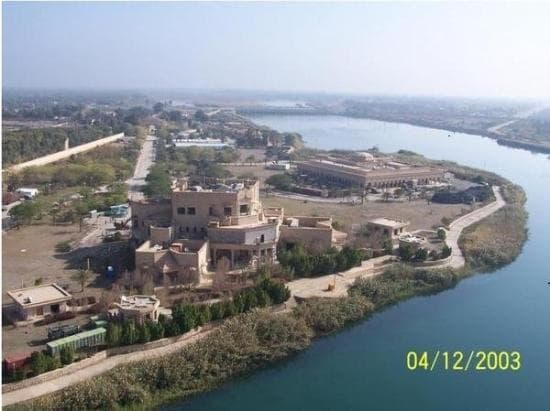
Begin your visit with a walk along the Euphrates River, which has sustained Ar Ramādī for generations. This area provides insight into daily life, with locals fishing and socializing along the banks. You'll see traditional boats and get a sense of the city's relationship with this vital waterway. The riverfront is most active in the morning when temperatures are cooler. Allow about two hours to stroll at a relaxed pace, observing local activities and enjoying views of the surrounding landscape.
Euphrates River waterfront
Why Visit
The Euphrates River is central to Ar Ramādī's identity and history, offering a peaceful setting to understand the city's geographical and cultural context. This experience connects you to the ancient lifeline of Mesopotamia while providing authentic glimpses of contemporary river life. It's an ideal starting point for cultural immersion without the formality of museums or structured attractions.
Address: Along the Euphrates River in central Ar Ramādī. Visit early to avoid afternoon heat, and dress modestly as this is a public space frequented by local families. Be respectful of people going about their daily activities.

2
Historical Understanding and Regional Cuisine
Day 2 of your journey
3
Community Engagement and Regional Specialties
Day 3 of your journey
4
Culinary Traditions and Reflective Experiences
Day 4 of your journey
Before You Go
Essential Travel Tips
Iraqi dinar is the local currency, and cash is essential as credit cards are rarely accepted outside major hotels in larger cities.
Dress conservatively with covered shoulders and knees for both men and women to respect local customs, especially when visiting residential areas.
Basic Arabic phrases are appreciated, though some younger residents may understand basic English in commercial settings.
Security conditions can change; check current travel advisories and register with your embassy if recommended.
Transport within the city is primarily by taxi; agree on fares before entering as meters are rarely used.
Friday is the weekly holiday when many businesses close or have reduced hours for prayers and family time.
Photography of government buildings, military installations, and checkpoints is strictly prohibited.
Iraqi hospitality is generous; accepting tea or simple refreshments when offered is considered polite.
When to Go
Best Time to Visit
The most comfortable time to visit Ar Ramādī is during the cooler months from October to April, when daytime temperatures range from 15-25°C (59-77°F). Summers (May-September) are extremely hot, often exceeding 40°C (104°F), making outdoor activities challenging. Spring (March-April) offers pleasant weather with occasional rain, while autumn (October-November) provides mild temperatures ideal for exploration. Winter months (December-February) can be cool, especially at night, but are generally dry. Consider that Ramadan affects business hours if your visit coincides with this holy month.
Local Insights & Tips
Ar Ramādī reflects traditional Iraqi social structures with strong tribal affiliations and family networks. The city has faced significant challenges in recent decades but maintains resilient community bonds. Social interactions often begin with inquiries about family and well-being before business. Meals are important social occasions, with hospitality highly valued. The pace of life is generally slower than in Baghdad, with afternoon rest periods common during hotter months. Conservative social norms prevail, particularly regarding gender interactions in public. While not a tourist destination, visitors who approach with respect for local customs may find warm receptiveness to genuine cultural interest.