4 DaysIran
Zāhedān
Your 4-day travel guide
The best time to visit Zāhedān is during the cooler months from October to April, when temperatures are more moderate, r...
Zāhedān•4D•All
Zāhedān, Iran
Duration:4 Days
Activities:12
Best for:All travelers
Desert Crossroads and Baluchi Culture
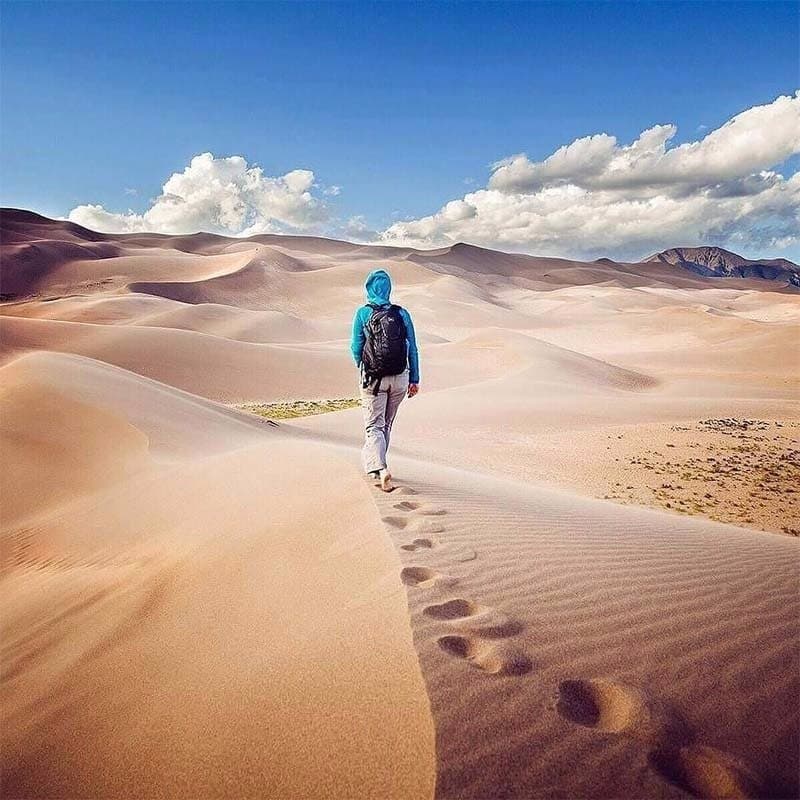
Zāhedān, the capital of Sistan and Baluchestan Province in southeastern Iran, is a city defined by its strategic location near the borders of Pakistan and Afghanistan. As a major transportation hub, it offers a unique glimpse into Baluchi culture, with its distinct traditions, crafts, and cuisine. The city's atmosphere is shaped by its desert environment and its role as a commercial center. For travelers interested in authentic cultural experiences and regional food, Zāhedān provides a less-traveled path into Iran's diverse heritage, focusing on local markets, historical sites, and the daily life of its resilient inhabitants.
Get Real Local Advice
Ask someone who actually lives in Zāhedān
1
Cultural Heritage and Local Markets
Day 1 of your journey
The Grand Bazaar is the commercial and social heart of Zāhedān, a sprawling covered market where you can experience local life. Wander through sections selling spices, textiles, handicrafts, and everyday goods. It's a place to observe Baluchi culture through commerce, with vendors often wearing traditional dress. The market is busiest in the morning and late afternoon. Allow time to browse and interact with shopkeepers, who are generally friendly to visitors. It's an immersive way to understand the city's economy and community.
Zāhedān Grand Bazaar
Why Visit
This market is central to Zāhedān's identity, offering direct access to Baluchi crafts and daily rhythms. For a couple, it provides a shared adventure of discovery, with opportunities to find unique souvenirs like embroidered textiles or local spices. The sensory experience of sights, sounds, and smells captures the essence of the region's cross-border trade and cultural exchange.
Visit in the late morning when it's lively but not overly crowded. Bargaining is expected for non-food items. Address: Located in the city center, near Enghelab Square.

2
Historical Sites and Local Crafts
Day 2 of your journey
3
Culinary Exploration and Local Neighborhoods
Day 3 of your journey
4
Relaxation and Final Cultural Touches
Day 4 of your journey
Before You Go
Essential Travel Tips
Dress modestly, especially women who should cover hair, arms, and legs in public.
Carry cash (Iranian Rials) as credit cards from foreign banks often don't work due to sanctions.
Learn basic Persian phrases like 'salam' (hello) and 'mersi' (thank you) for better interactions.
Use taxis or ride-hailing apps like Snapp for getting around the city; negotiate fares in advance for regular taxis.
Be mindful of prayer times, as some sites may close temporarily; plan visits accordingly.
Stay hydrated and protect yourself from the sun, as Zāhedān has a hot, dry climate.
Respect local customs, such as avoiding public displays of affection, to ensure a smooth visit.
Check travel advisories and visa requirements for Iran before your trip, as regulations can change.
When to Go
Best Time to Visit
The best time to visit Zāhedān is during the cooler months from October to April, when temperatures are more moderate, ranging from mild to warm during the day and cooler at night. Summers (May to September) can be extremely hot, with temperatures often exceeding 40°C (104°F), making outdoor activities uncomfortable. Spring (March to April) and autumn (October to November) offer pleasant weather for exploring. There is no distinct tourist season, so crowds are generally minimal year-round, but planning around weather ensures a more enjoyable experience.
Local Insights & Tips
Zāhedān is predominantly Baluchi, with a culture shaped by Sunni Islam and tribal traditions. Hospitality is important, and locals may invite you for tea or conversation. The city is conservative, so dress modestly and avoid alcohol, which is prohibited. Friday is the weekly holiday, with reduced activity and some closures. The economy relies on trade, especially with neighboring Pakistan and Afghanistan, influencing the bazaar's vibrant atmosphere. Be prepared for a slower pace of life and limited English spoken; patience and respect go a long way. Family and community ties are strong, reflecting in social gatherings at tea houses and parks.