4 DaysIran
Kermānshāh
Your 4-day travel guide
The best time to visit Kermānshāh is during spring (March to May) and autumn (September to November). In spring, tempera...
Kermānshāh•4D•All
Kermānshāh, Iran
Duration:4 Days
Activities:12
Best for:All travelers
Ancient Inscriptions and Kurdish Flavors
Kermānshāh, located in western Iran, is a city where history and culture converge. As the capital of Kermānshāh Province, it serves as a gateway to Kurdish heritage and ancient Persian civilization. The city is known for its UNESCO World Heritage sites, particularly the Bisotun inscriptions, and its distinctive Kurdish cuisine that features rich stews and fresh breads. For couples interested in culture and food, Kermānshāh offers a journey through millennia of history paired with authentic culinary experiences, all within a city that blends traditional bazaars with modern neighborhoods.
Get Real Local Advice
Ask someone who actually lives in Kermānshāh
1
Historical Foundations
Day 1 of your journey
Bisotun is a UNESCO World Heritage site located about 30 km from central Kermānshāh, featuring rock reliefs and inscriptions from the Achaemenid Empire, including the famous Behistun Inscription of Darius the Great. Visitors can see carvings depicting kings and gods, with multilingual texts that were key to deciphering cuneiform. The site includes archaeological remains and natural scenery. Plan for a half-day visit, with mornings being cooler and less crowded. Wear comfortable shoes for walking on uneven terrain.
Bisotun
Why Visit
This site is one of Iran's most important historical treasures, offering insight into ancient Persian history and language. The monumental reliefs are visually impressive and tell stories of imperial power. For couples, it provides a shared experience of discovery in a setting that feels remote yet accessible, combining education with scenic views.
Hire a local guide at the entrance to fully understand the inscriptions' significance. Address: Bisotun, Kermanshah Province. Bring water and sun protection, as shade is limited.
2
Cultural Immersion and Local Life
Day 2 of your journey
3
Culinary Exploration and Neighborhoods
Day 3 of your journey
4
Relaxation and Final Flavors
Day 4 of your journey
Before You Go
Essential Travel Tips
Use taxis or ride-hailing apps like Snapp for getting around the city; public buses are available but less convenient for tourists.
Carry Iranian rials in cash, as credit cards from foreign banks are often not accepted due to sanctions; exchange money at official exchange offices.
Learn basic Persian phrases like 'salam' (hello) and 'mersi' (thank you); English is not widely spoken, so a translation app can be helpful.
Dress modestly, especially when visiting religious sites; women should wear headscarves in public, and both genders should avoid revealing clothing.
Kermānshāh is generally safe, but be cautious in crowded areas like bazaars to avoid pickpocketing.
Check opening hours for attractions in advance, as they may change during holidays or religious events.
Try local Kurdish dishes beyond kebabs, such as ash-e reshteh (noodle soup) and dolma (stuffed vegetables).
Respect local customs, such as removing shoes before entering homes or some traditional restaurants.
When to Go
Best Time to Visit
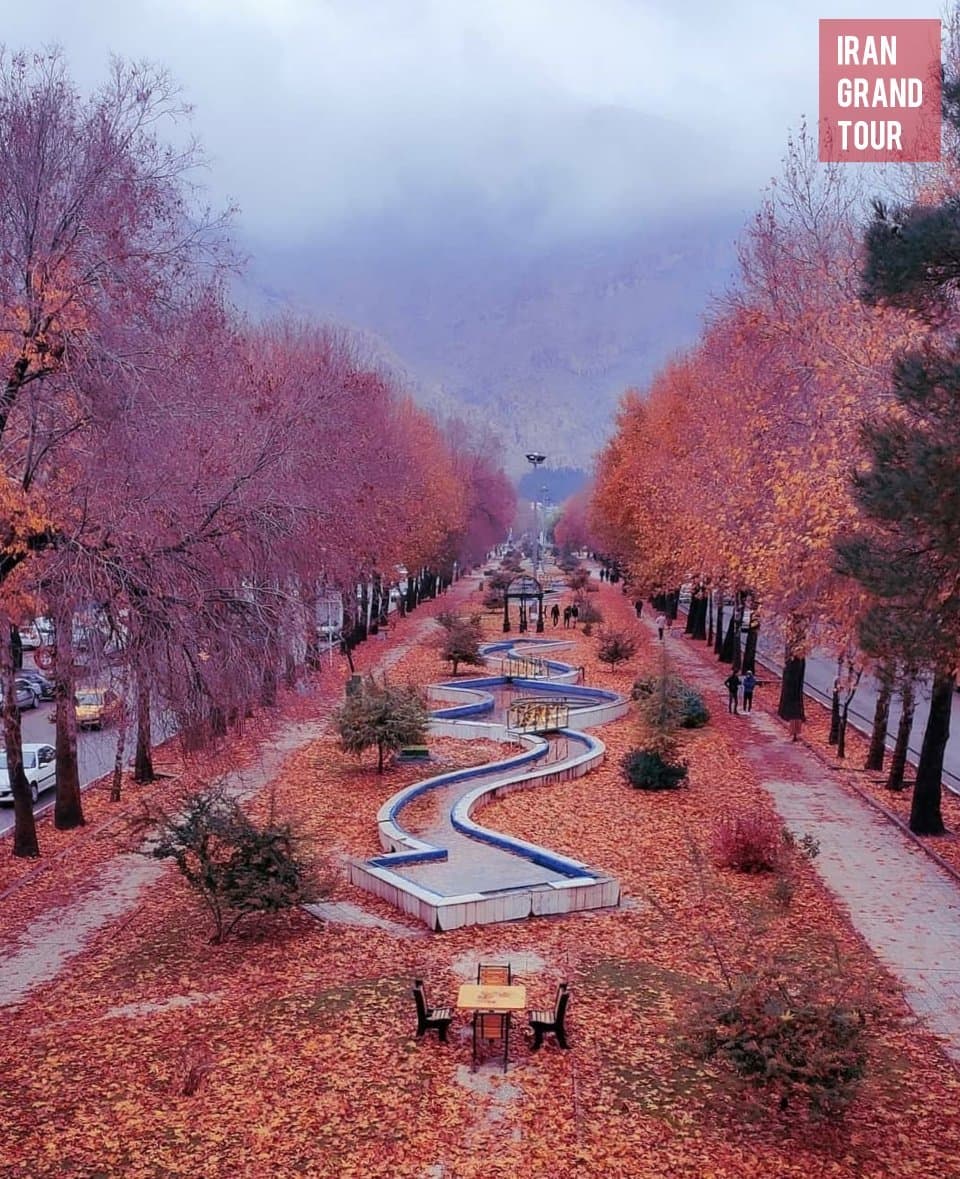
The best time to visit Kermānshāh is during spring (March to May) and autumn (September to November). In spring, temperatures are mild, ranging from 15°C to 25°C, and the landscape is green, making it pleasant for outdoor activities like visiting Bisotun. Autumn offers similar mild weather with fewer tourists. Summers (June to August) can be hot, with temperatures often exceeding 30°C, which might be uncomfortable for extensive sightseeing. Winters (December to February) are cold, with occasional snow, potentially limiting access to some sites. Avoid the peak heat of July and August for the most comfortable experience.
Local Insights & Tips
Kermānshāh is a city with a strong Kurdish identity, reflected in its language, music, and cuisine. Kurdish is widely spoken alongside Persian, and local customs emphasize hospitality; it's common to be offered tea or food when visiting shops or homes. The city has a mix of traditional and modern neighborhoods, with areas like the bazaar retaining historical charm while newer districts feature cafes and hotels. Culturally, respect for elders and modest dress is important, especially in religious contexts. Fridays are the weekly holiday, so some attractions may have reduced hours. Engaging with locals can enrich your visit, as many are proud of their heritage and willing to share stories.