4 DaysIranprovince
Golestān
Your 4-day travel guide
The optimal time to visit Golestān Province is during spring (April to early June) when temperatures are mild, ranging f...
Golestān•4D•All
Golestān, Iran
Duration:4 Days
Activities:12
Best for:All travelers
Silk Road Flavors and Caspian Shores
Golestān Province in northeastern Iran offers a captivating journey through diverse landscapes and rich cultural heritage. Stretching from the Caspian Sea's southern shores to the Alborz Mountains, this region blends Turkmen, Persian, and local Caspian influences. You'll explore ancient forests, UNESCO-listed historical sites, and vibrant bazaars filled with regional specialties. As a couple, you'll appreciate the romantic settings of mountain villages and seaside towns, along with intimate culinary experiences showcasing fresh seafood, rice dishes, and traditional sweets. The province's manageable size allows for comfortable exploration of its varied attractions over four days.
Get Real Local Advice
Ask someone who actually lives in Golestān
1
Historical Gorgan and Culinary Introduction
Day 1 of your journey
Begin your cultural exploration at the remains of the Gorgan Historical Wall, an ancient defensive structure dating back to the Sassanian era. Then visit the Golestan Palace Museum located nearby, which houses archaeological artifacts from the region. The museum provides context about the area's history through pottery, coins, and historical documents. Plan about two hours to appreciate both sites, with mornings being ideal to avoid afternoon heat. The wall's remnants stretch through the city, offering photo opportunities and historical perspective.
Gorgan Historical Wall and Golestan Palace Museum
Why Visit
This combination introduces you to Golestān's deep historical layers, from ancient military architecture to curated artifacts that tell the region's story. As a couple, you can explore at your own pace, discussing the historical significance while enjoying the architectural details. The sites provide essential background that will enrich your understanding of subsequent destinations throughout your trip.
Address: The museum is located near the wall remnants in central Gorgan. Visit the wall sections first when the light is better for photography, then proceed to the air-conditioned museum to escape the midday warmth.

2
UNESCO Heritage and Turkmen Culture
Day 2 of your journey
3
Caspian Coast and Forest Exploration
Day 3 of your journey
4
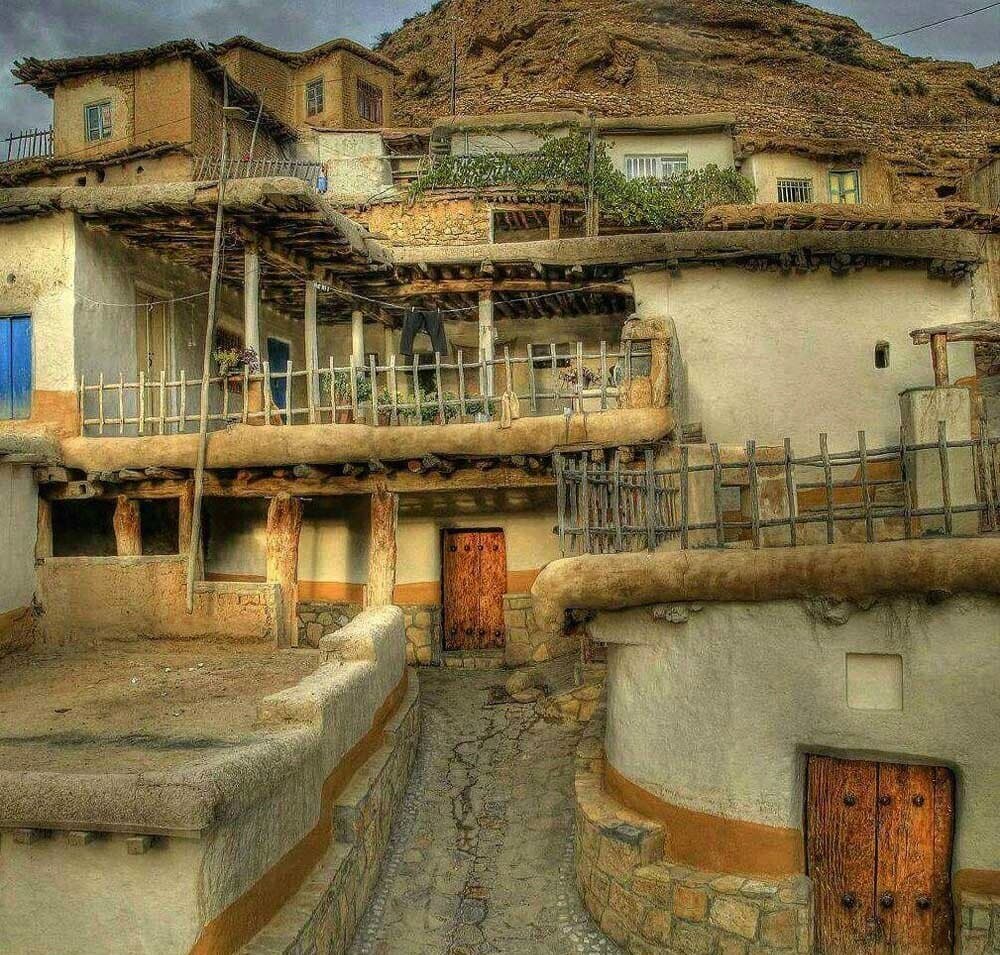
Mountain Villages and Return to Gorgan
Day 4 of your journey
Before You Go
Essential Travel Tips
Iranian Rial is the local currency—carry cash as credit cards from foreign banks often don't work due to sanctions
Dress modestly, especially women should wear headscarves in public as per local customs
Spring (April-May) and autumn (September-October) offer the most pleasant weather for exploration
Basic Persian phrases like 'Salam' (hello) and 'Merci' (thank you) are appreciated by locals
Tap water is generally safe in cities but bottled water is widely available and recommended
Friday is the weekly holiday when some attractions may have reduced hours or be closed
Internet access may be limited—consider downloading offline maps and translation apps beforehand
Always carry identification documents as occasional checkpoints may require them
When to Go
Best Time to Visit
The optimal time to visit Golestān Province is during spring (April to early June) when temperatures are mild, ranging from 15-25°C (59-77°F), and the landscapes are green and flowering. Autumn (September to October) offers similar pleasant conditions with comfortable temperatures and fewer tourists. Summer (July-August) can be hot and humid, especially in coastal areas, while winter (December-February) brings cold temperatures and potential road closures in mountain areas. The shoulder seasons provide the best balance of comfortable weather for exploration and cultural activities.
Local Insights & Tips
Golestān represents a cultural crossroads where Persian, Turkmen, and Caspian influences blend. The province has significant Turkmen population, particularly around Gonbad-e Kavus, with distinct traditions in clothing, crafts, and cuisine. Hospitality is important—accepting tea offers is considered polite. Meals often begin later than Western standards, with lunch around 1-2 PM and dinner after 8 PM. Religious observance is generally conservative, so modest dress is expected, especially for women who should cover hair with scarves in public. The pace of life varies from bustling Gorgan to tranquil mountain villages—adapt your expectations accordingly. Traditional crafts like carpet weaving and embroidery remain important cultural expressions, particularly in Turkmen communities.