4 DaysIran
Ardabīl
Your 4-day travel guide
The best time to visit Ardabil is from late spring to early autumn (May through September), when temperatures are mild a...
Ardabīl•4D•All
Ardabīl, Iran
Duration:4 Days
Activities:12
Best for:All travelers
Sufi Heritage and Persian Flavors in Northwest Iran
Ardabīl, the capital of Ardabil Province in northwest Iran, offers a rich cultural experience centered around its deep Sufi heritage and distinctive local cuisine. As the historical center of the Safavid dynasty's origins, the city is home to UNESCO World Heritage sites like the Sheikh Safi al-Din Khanegah and Shrine Ensemble, showcasing exquisite Islamic architecture. Beyond its spiritual significance, Ardabīl is known for its cool climate, thermal springs, and unique Azerbaijani-influenced food culture. For couples seeking cultural immersion and authentic Persian experiences, this city provides a less-traveled alternative to Iran's more famous destinations, with welcoming locals and a relaxed pace perfect for intimate exploration.
Get Real Local Advice
Ask someone who actually lives in Ardabīl
1
Sufi Heritage and Spiritual Discovery
Day 1 of your journey
This UNESCO World Heritage site is the spiritual heart of Ardabīl, built between the 16th and 18th centuries as a Sufi sanctuary. The complex includes the tomb of Sheikh Safi al-Din, ancestor of the Safavid dynasty, with stunning tilework, calligraphy, and architectural details. Visitors can explore the mosque, library, school, and various courtyards, experiencing the peaceful atmosphere that has attracted pilgrims for centuries. Plan for 2-3 hours to appreciate the intricate details, with morning visits offering good light for photography and fewer crowds.
Sheikh Safi al-Din Khanegah and Shrine Ensemble
Why Visit
As a UNESCO site and the most significant historical attraction in Ardabīl, this shrine complex represents the city's spiritual and architectural heritage. The exquisite Persian-Islamic architecture, including the famous Ardabil Carpet (now in London), makes it essential for understanding Iran's cultural history. For couples, the serene courtyards and detailed tilework provide beautiful settings for quiet contemplation and photography.
Dress modestly with headscarves for women and conservative clothing for men. The complex is closed during prayer times, typically around noon and sunset, so check local schedules. Address: Sheikh Safi St, Ardabil.

2
Historical Architecture and Local Markets
Day 2 of your journey
3
Culinary Exploration and Thermal Springs
Day 3 of your journey
4
Contemporary Culture and Farewell Dining
Day 4 of your journey
Before You Go
Essential Travel Tips
Carry cash (Iranian Rials) as credit cards from foreign banks generally don't work due to sanctions
Dress modestly with headscarves mandatory for women in public, and conservative clothing for men
Learn basic Persian phrases like 'salam' (hello) and 'mersi' (thank you) as English is limited
Use Snapp (Iran's ride-hailing app) or local taxis for transportation within the city
Friday is the weekly holiday when many sites have limited hours or close for prayers
Spring water is safe to drink in Ardabil, but bottled water is widely available
Respect prayer times when visiting religious sites, typically avoiding visits around noon and sunset
Carry a scarf or shawl for women to cover hair when entering mosques and shrines
When to Go
Best Time to Visit
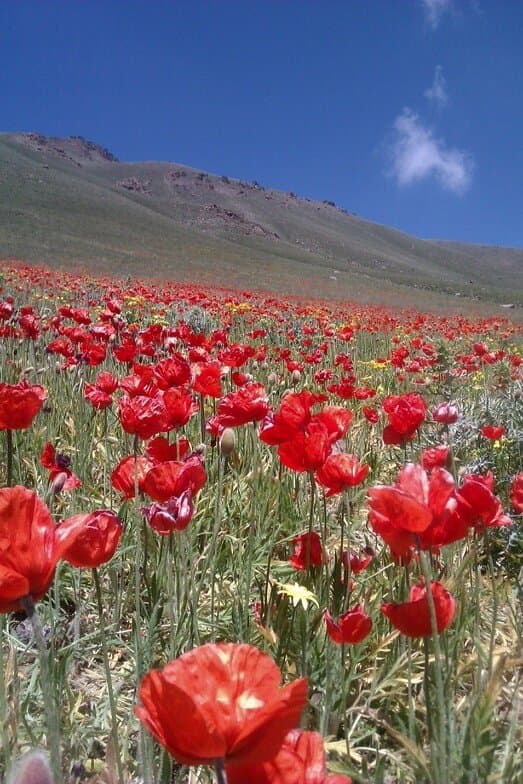
The best time to visit Ardabil is from late spring to early autumn (May through September), when temperatures are mild and pleasant for sightseeing. Summer months (June-August) offer the warmest weather, with daytime temperatures typically around 25-30°C (77-86°F), though nights can be cool. Spring (April-May) brings blooming flowers and comfortable temperatures, while early autumn (September-October) provides similar conditions with fewer visitors. Winter (November-March) can be quite cold with occasional snow, though this offers a different experience for those prepared for winter conditions. The city's elevation (1350 meters/4430 feet) keeps summers more moderate than other Iranian cities.
Local Insights & Tips
Ardabil has a distinct cultural identity within Iran, with strong Azerbaijani influences in language, cuisine, and customs. While Persian is widely understood, many locals speak Azerbaijani Turkish as their first language. The city is known for its religious conservatism and deep Sufi heritage, so respectful behavior and modest dress are particularly important. Hospitality is highly valued, with locals often going out of their way to help visitors. Traditional tea houses (chaikhane) serve as social hubs, and accepting tea invitations can lead to interesting conversations. The pace of life is generally slower than in larger Iranian cities, with more emphasis on community and tradition. Friday prayers at the main shrines are significant community events worth observing respectfully from a distance.