4 DaysIndonesiaprovince
Sulawesi Barat
Your 4-day travel guide
The best time to visit Sulawesi Barat is during the dry season from May to September when rainfall is minimal and roads ...
Sulawesi Barat•4D•All
Sulawesi Barat, Indonesia
Duration:4 Days
Activities:12
Best for:All travelers
Mandarese Culture and Coastal Flavors
Sulawesi Barat, Indonesia's youngest province, offers a rich tapestry of Mandarese culture, stunning coastal landscapes, and authentic culinary experiences. This region on the western peninsula of Sulawesi is known for its traditional silk weaving, historic kingdoms, and fresh seafood. For couples seeking cultural immersion and food exploration, this itinerary balances visits to historical sites with hands-on experiences and intimate dining. You'll discover Mamasa's highland culture, explore the provincial capital's heritage, and experience the coastal life of Polewali Mandar, all while enjoying the warm hospitality of local communities.
Get Real Local Advice
Ask someone who actually lives in Sulawesi Barat
1
Mamasa Highland Culture
Day 1 of your journey
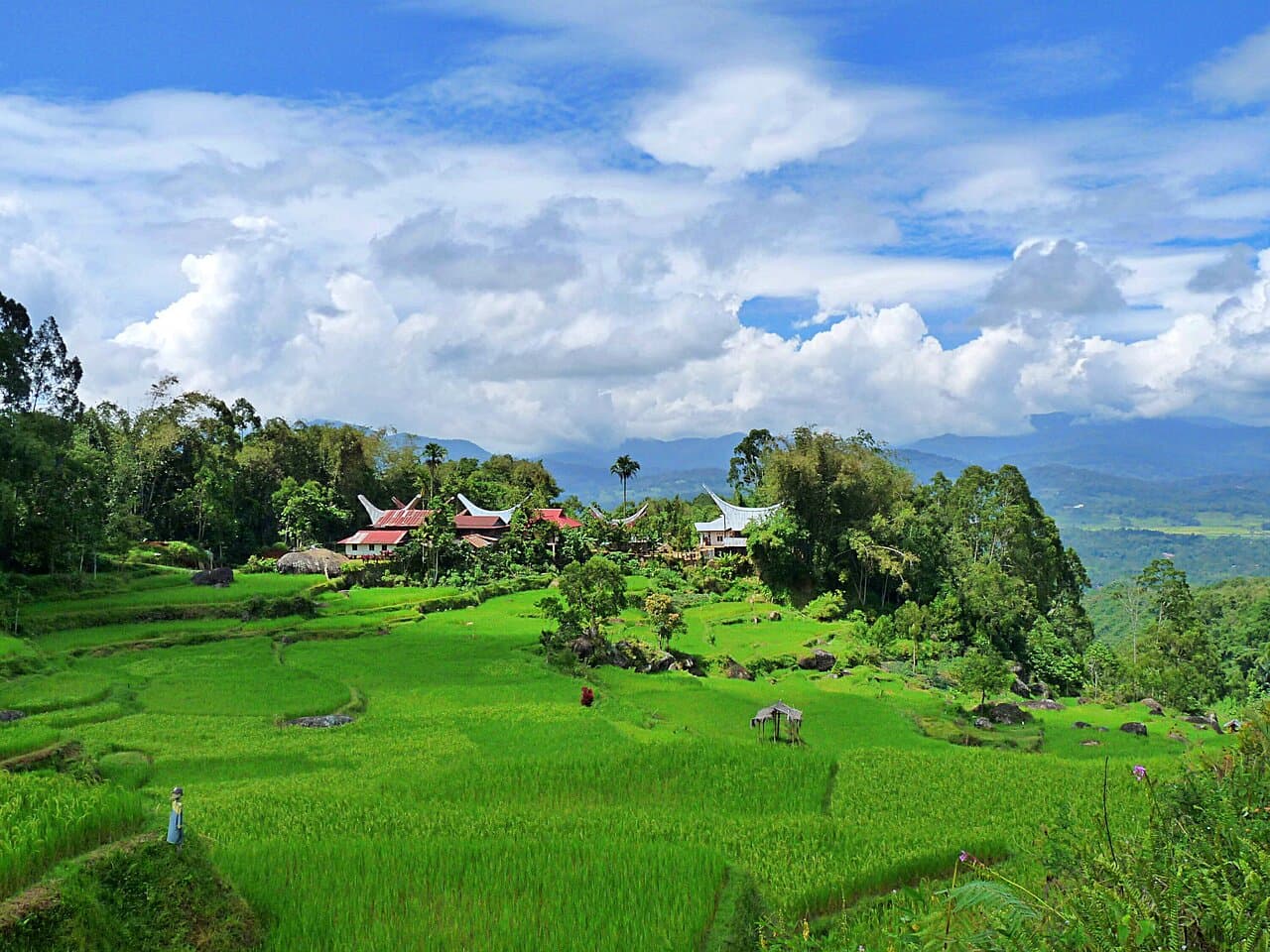
Rante Buda village showcases authentic Torajan-style architecture with well-preserved Tongkonan houses featuring distinctive boat-shaped roofs and intricate wood carvings. These ancestral homes represent social status and family heritage in Mamasa's highland culture. Visitors can explore the village layout, learn about construction techniques using natural materials, and see traditional granaries. The best time is morning when light highlights the carvings. Allow time to appreciate the mountain backdrop and cool climate.
Rante Buda Traditional Village
Why Visit
This village offers the most authentic collection of traditional Mamasa architecture in the region. Unlike more touristy areas, Rante Buda maintains living traditions where families still use these houses for ceremonies and daily life. The intricate carvings tell stories of ancestry and social structure, providing deep cultural insight. The mountain setting creates a peaceful atmosphere perfect for couples to explore together.
Address: Rante Buda, Desa Rante Buda. Hire a local guide at the village entrance (around 50,000 IDR) for detailed explanations of carvings and customs. Wear comfortable shoes as paths can be uneven.

2
Mamuju Heritage and Coastal Transition
Day 2 of your journey
3
Polewali Mandar Coastal Culture
Day 3 of your journey
4
Cultural Synthesis and Departure
Day 4 of your journey
Before You Go
Essential Travel Tips
Use Grab or Gojek apps for transportation in Mamuju and Polewali, but availability may be limited in smaller areas
Carry sufficient Indonesian rupiah cash as credit cards are accepted only at larger hotels and some restaurants in Mamuju
Learn basic Indonesian phrases like 'terima kasih' (thank you) and 'berapa harga?' (how much?) as English proficiency is limited outside tourist areas
Dress modestly when visiting religious sites or traditional villages, covering shoulders and knees
Drink bottled water and be cautious with street food if you have sensitive stomach
Purchase local SIM card at airport or in Mamuju for better connectivity, Telkomsel has best coverage in West Sulawesi
Respect local customs by using right hand for giving/receiving items and avoiding public displays of affection
Check weather forecasts as sudden rain showers can occur, especially in mountainous areas
When to Go
Best Time to Visit
The best time to visit Sulawesi Barat is during the dry season from May to September when rainfall is minimal and roads are more accessible, especially important for travel to mountainous areas like Mamasa. April and October are transitional months with occasional showers but fewer tourists. The wet season from November to March brings heavy rainfall that can make mountain roads difficult and limit outdoor activities. Temperatures remain consistently warm in coastal areas (26-32°C) and cooler in highlands (18-24°C) year-round. Cultural festivals often occur outside peak tourist seasons, offering unique experiences for visitors willing to accommodate weather variability.
Local Insights & Tips
Sulawesi Barat's culture is predominantly Mandarese, with strong Islamic influences blended with older animist traditions, especially in highland areas. Respect for elders and community values are important in social interactions. The region is known for traditional silk weaving (tenun Mandar), distinctive boat-shaped architecture, and elaborate ceremonial traditions. In coastal areas, fishing communities follow maritime traditions with specific customs around boats and fishing practices. Food culture emphasizes fresh seafood in coastal towns and mountain vegetables in highlands, with shared meals being important social occasions. Hospitality is generous but modest; visitors are welcomed but expected to respect local norms. Traditional music and dance are preserved through community events rather than staged performances for tourists.