4 DaysIndonesiaprovince
Kepulauan Bangka Belitung
Your 4-day travel guide
The best time to visit Kepulauan Bangka Belitung is during the dry season, which typically runs from April to October. D...
Kepulauan Bangka Belitung•4D•All
Kepulauan Bangka Belitung, Indonesia
Duration:4 Days
Activities:12
Best for:All travelers
Tin Islands, White Sands, and Peranakan Flavors
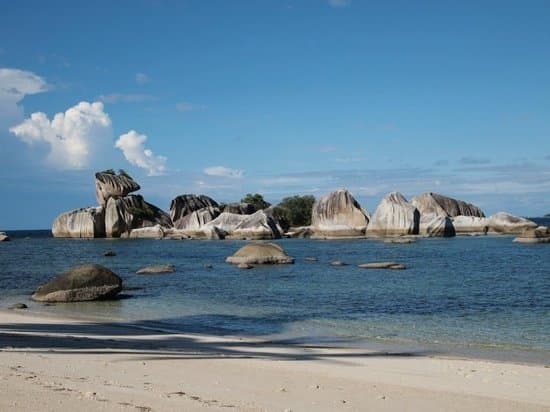
Kepulauan Bangka Belitung, an archipelago province off Sumatra's east coast, offers a distinct Indonesian experience blending natural beauty with rich cultural layers. Known for its tin mining history, the islands feature stunning white-sand beaches with dramatic granite rock formations, particularly in Belitung. The culture is a fascinating mix of Malay, Chinese Peranakan, and indigenous traditions, reflected in unique architecture, festivals, and especially its cuisine. For couples seeking culture and food, this destination provides intimate exploration of heritage sites, relaxed beach time, and culinary adventures through markets and family-run eateries, all at a pace perfect for shared discovery.
Get Real Local Advice
Ask someone who actually lives in Kepulauan Bangka Belitung
1
Historic Pangkalpinang and Culinary Introduction
Day 1 of your journey
This museum, operated by the state tin company, details the history of tin mining that shaped Bangka's economy and society. You'll see mining equipment, geological displays, and historical photographs explaining the industry's impact. The visit takes about 1.5 hours and provides essential context for understanding the island's development. It's housed in a colonial-era building that adds to the historical atmosphere.
Museum Timah Indonesia
Why Visit
It's the primary institution documenting the tin industry that defined Bangka for centuries, offering crucial cultural and historical insight. For a couple interested in culture, it establishes a foundational understanding of the region's identity before exploring other sites, making subsequent experiences more meaningful.
Ask the staff about the guided tour schedule; they often have knowledgeable guides who can provide deeper stories not on the displays. Address: Jalan Jenderal Sudirman No. 41.

2
Coastal Culture and Beach Relaxation in Sungailiat
Day 2 of your journey
3
Island Hopping and Granite Scenery in Belitung
Day 3 of your journey
4
Museum, Market, and Departure from Belitung
Day 4 of your journey
Before You Go
Essential Travel Tips
The local currency is Indonesian Rupiah (IDR). Carry cash, especially for markets, small warungs, and transportation outside major towns.
Basic Indonesian (Bahasa Indonesia) is widely spoken. Learning a few phrases like 'terima kasih' (thank you) is appreciated.
Dress modestly when visiting temples or religious sites. Cover shoulders and knees.
Use reputable ride-hailing apps like Gojek or Grab in Pangkalpinang and Tanjung Pandan for short trips. For inter-city travel, hiring a private car with a driver for the day is most convenient.
Tap water is not safe to drink. Always drink bottled or filtered water.
Bargaining is common in traditional markets for non-food items, but be polite. Fixed prices are standard in shops and restaurants.
Pack sunscreen, insect repellent, a hat, and comfortable walking shoes. Water shoes are useful for rocky beaches and island hopping.
Electrical outlets are standard European two-pin round plugs (Type C/F). Bring a universal adapter if needed.
When to Go
Best Time to Visit
The best time to visit Kepulauan Bangka Belitung is during the dry season, which typically runs from April to October. During these months, you can expect less rainfall, more sunshine, and calmer seas, which is ideal for beach activities, island hopping, and exploring. The wet season (November to March) brings heavier and more frequent rain, which can disrupt outdoor plans and boat tours. Tourist numbers are generally higher during the dry season and Indonesian holiday periods, so for a quieter experience, consider the shoulder months of April-May or September-October.
Local Insights & Tips
The culture here is a relaxed mix of Malay and Chinese Peranakan influences. The Chinese community, descended from tin mining laborers, has a strong presence, evident in temples, cuisine, and festivals like Chinese New Year. The local Malay culture is also vibrant, with traditional music and dance. People are generally friendly and welcoming to visitors. A key custom is to use your right hand for giving or receiving items, as the left hand is considered less polite. The pace of life is slower than in big Indonesian cities, especially on Belitung. Food is a central part of social life, with meals often shared. When dining at a warung, it's common to point at what you want or ask for recommendations. Respect for elders and a modest dress code in villages and religious sites is important.