4 DaysIndia
Kolhāpur
Your 4-day travel guide
The best time to visit Kolhapur is from October to March, during the winter and early spring months. During this period,...
Kolhāpur•4D•All
Kolhāpur, India
Duration:4 Days
Activities:12
Best for:All travelers
Temples, Spices, and Maratha Heritage
Kolhapur, located in Maharashtra, India, is a city steeped in history and culture, known as the 'City of Temples' and the cultural capital of the region. It offers a rich blend of Maratha heritage, spiritual sites, and distinctive cuisine, particularly its famous Kolhapuri food. For a couple seeking cultural immersion and culinary exploration, Kolhapur provides an authentic experience with its grand temples, historic palaces, and vibrant local markets. The city's compact layout makes it easy to explore key attractions on foot or by short auto-rickshaw rides, allowing for a relaxed yet engaging itinerary focused on its unique traditions and flavors.
Get Real Local Advice
Ask someone who actually lives in Kolhāpur
1
Cultural Heritage and Spiritual Sites
Day 1 of your journey
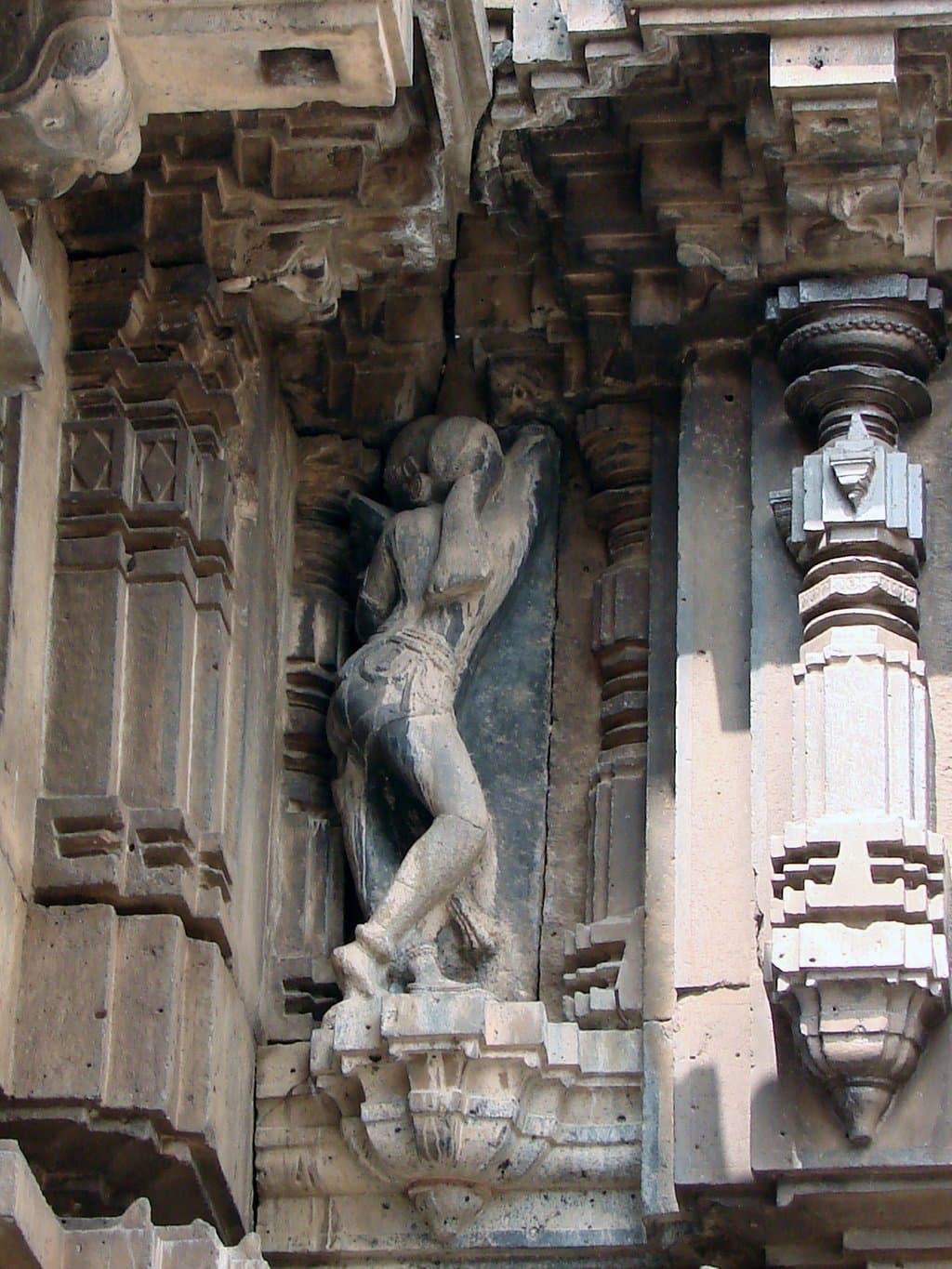
Mahalakshmi Temple is one of the Shakti Peethas, a significant Hindu pilgrimage site dedicated to Goddess Mahalakshmi. The temple dates back to the 7th century and features intricate stone carvings and a peaceful atmosphere. Visitors can explore the main shrine, observe rituals, and soak in the spiritual ambiance. It's best visited in the morning to avoid crowds, and a typical visit takes about 1-2 hours. Dress modestly as it's a religious site, and photography may be restricted in certain areas.
Mahalakshmi Temple
Why Visit
This temple is central to Kolhapur's identity, offering a deep dive into local spirituality and architecture. Its historical importance and serene environment make it a must-see for understanding the city's cultural roots, providing a meaningful start to your trip with its sacred significance.
Visit early to experience the morning aarti (prayer ceremony) for a more immersive spiritual experience. Address: Mahadwar Road, Kolhapur.

2
Culinary Exploration and Local Markets
Day 2 of your journey
3
Art, Museums, and Historical Insights
Day 3 of your journey
4
Local Neighborhoods and Relaxation
Day 4 of your journey
Before You Go
Essential Travel Tips
Use auto-rickshaws for short distances within the city; negotiate fares before riding.
Carry cash, as many local shops and smaller restaurants may not accept credit cards.
Learn basic Marathi phrases like 'Namaskar' (hello) and 'Dhanyavad' (thank you) for better interactions.
Dress modestly, especially when visiting temples, covering shoulders and knees.
Stay hydrated and be cautious with spicy food if you're not accustomed to it.
Check temple timings in advance, as they may vary for rituals and festivals.
Use sunscreen and hats during the day, as Kolhapur can get quite sunny.
Respect local customs, such as removing shoes before entering religious sites.
When to Go
Best Time to Visit
The best time to visit Kolhapur is from October to March, during the winter and early spring months. During this period, the weather is pleasant and cool, with temperatures ranging from 15°C to 30°C, making it ideal for sightseeing and outdoor activities. The monsoon season (June to September) brings heavy rainfall, which can disrupt travel plans, while the summer months (April to May) are hot and humid, with temperatures often exceeding 35°C. Visiting in the recommended window ensures comfortable conditions for exploring temples, markets, and other attractions.
Local Insights & Tips
Kolhapur is deeply rooted in Maratha culture, with a strong emphasis on traditions, spirituality, and community. The city is known for its religious festivals, such as Navratri and Ganesh Chaturthi, which feature vibrant processions and temple ceremonies. Locals are generally friendly and hospitable, but it's important to respect their customs, like dressing conservatively at religious sites and avoiding public displays of affection. The cuisine is a highlight, characterized by bold spices and unique dishes like Kolhapuri mutton, reflecting the region's culinary heritage. Neighborhoods like Shivaji Peth retain an old-world charm, offering insights into daily life and historical architecture.