4 DaysIndia
Gulbarga
Your 4-day travel guide
The ideal time to visit Gulbarga is from October to March when temperatures are milder, ranging from 15°C to 30°C. These...
Gulbarga•4D•All
Gulbarga, India
Duration:4 Days
Activities:12
Best for:All travelers
Fortresses, Flavors, and Bahmani Heritage
Gulbarga, located in northern Karnataka, offers a compelling journey through India's medieval history and Deccan culture. As the former capital of the Bahmani Sultanate, the city is defined by its impressive Islamic architecture, particularly the massive Gulbarga Fort and the stunning Jama Masjid. Beyond its historical significance, Gulbarga presents a rich culinary landscape where Hyderabadi influences meet local Karnataka flavors. For couples interested in culture and food, this city provides intimate exploration of ancient monuments, authentic dining experiences, and a glimpse into a less-visited part of India's heritage. The pace here is relaxed, allowing for meaningful discovery without the crowds of more tourist-heavy destinations.
Get Real Local Advice
Ask someone who actually lives in Gulbarga
1
Historical Foundations
Day 1 of your journey
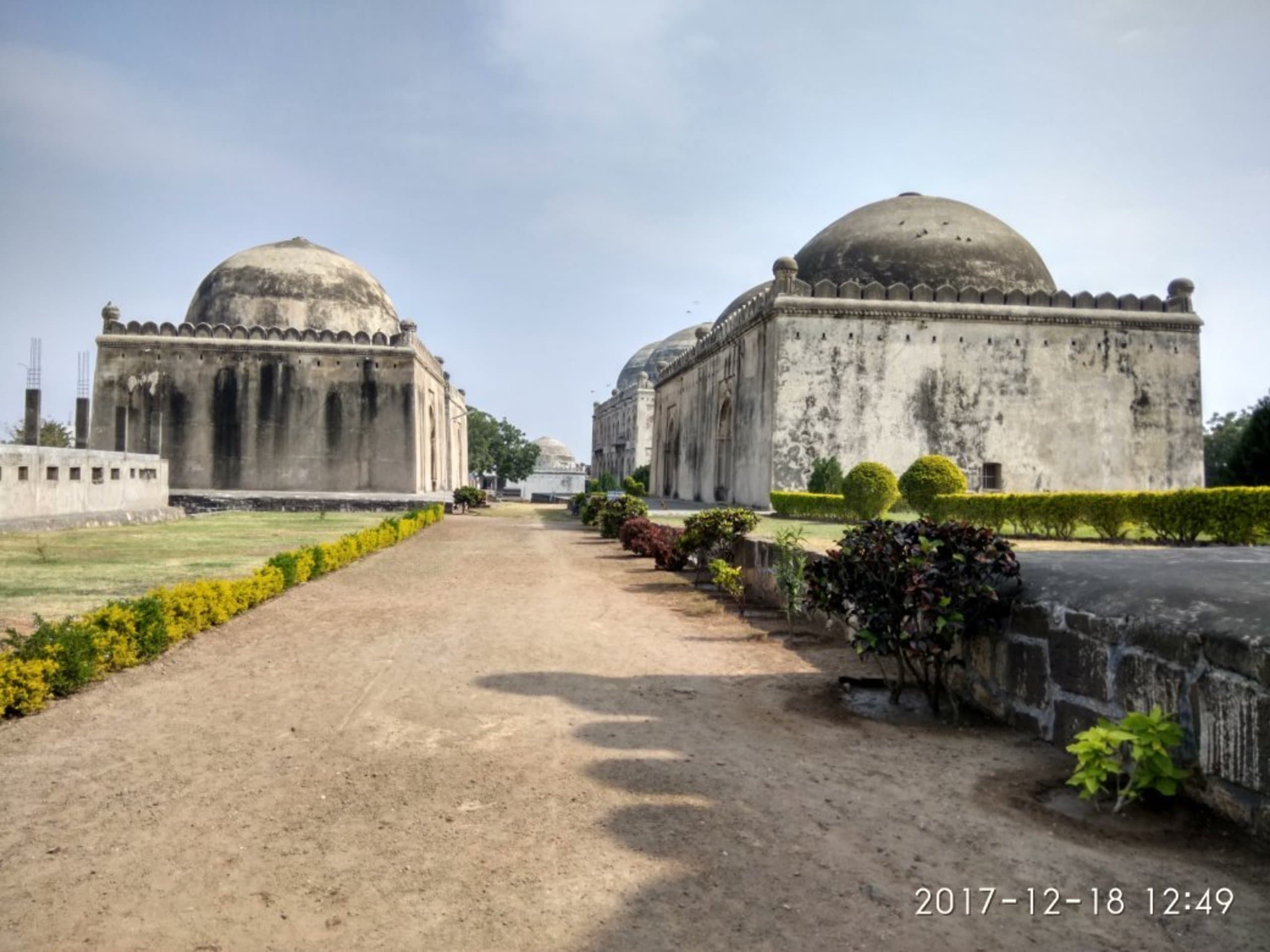
Gulbarga Fort is a 14th-century fortress built during the Bahmani Sultanate, featuring impressive ramparts, gateways, and structures within its walls. Visitors can walk through the extensive complex, seeing the royal mosques, palaces, and cannons that tell the story of this medieval capital. The fort requires about 2-3 hours to explore properly, with mornings being ideal to avoid afternoon heat. Wear comfortable shoes as you'll be walking on uneven surfaces through this historical site.
Gulbarga Fort
Why Visit
This fort represents the architectural and military prowess of the Bahmani dynasty that ruled the Deccan. As the centerpiece of Gulbarga's heritage, it offers couples a chance to explore together while learning about medieval Indian history. The scale of the fortifications and the preservation of structures like the Jama Masjid inside make it essential for understanding the city's cultural significance.
Hire a local guide at the entrance for detailed historical context. Address: Fort Road, Gulbarga. The fort is open from sunrise to sunset, with no entry fee.

2
Architectural Marvels
Day 2 of your journey
3
Cultural Immersion
Day 3 of your journey
4
Culinary Exploration
Day 4 of your journey
Before You Go
Essential Travel Tips
Auto-rickshaws are the main local transport; agree on fares before starting journeys
Carry cash as many smaller establishments don't accept cards
Dress modestly when visiting religious sites, covering shoulders and knees
Drink bottled water and be cautious with street food if you have sensitive stomachs
Learn basic Kannada phrases like 'Dhanyavadagalu' (thank you) for better interactions
Gulbarga has a dry climate; carry water and use sun protection during daytime exploration
Many historical sites have no entry fees but may accept donations
The city is generally safe, but take normal precautions with valuables in crowded areas
When to Go
Best Time to Visit
The ideal time to visit Gulbarga is from October to March when temperatures are milder, ranging from 15°C to 30°C. These months avoid the extreme heat of summer (April-June) when temperatures regularly exceed 40°C, and the monsoon season (July-September) which brings heavy rainfall that can disrupt outdoor exploration. Winter months offer comfortable conditions for visiting historical sites that require extensive walking outdoors. The Urs festival at Khwaja Bande Nawaz Dargah in November-December adds cultural interest but also increases crowds.
Local Insights & Tips
Gulbarga reflects its history as a medieval capital where Islamic and Hindu traditions coexist. The Lingayat community has significant presence, influencing local culture and cuisine. Hospitality is important, with locals generally welcoming to respectful visitors. When visiting religious sites, remove shoes before entering and dress conservatively. The local cuisine blends Hyderabadi influences with Karnataka traditions, featuring dishes like jolada rotti and biryanis. Gulbarga moves at a slower pace than larger Indian cities, with most activity centered around markets and historical sites. English is understood in tourist areas, but learning basic Kannada phrases enhances interactions.