4 DaysIndia
Bhiwandi
Your 4-day travel guide
The best time to visit Bhiwandi is during the winter months from November to February when temperatures are milder, rang...
Bhiwandi•4D•All
Bhiwandi, India
Duration:4 Days
Activities:12
Best for:All travelers
Textile Heritage and Culinary Traditions
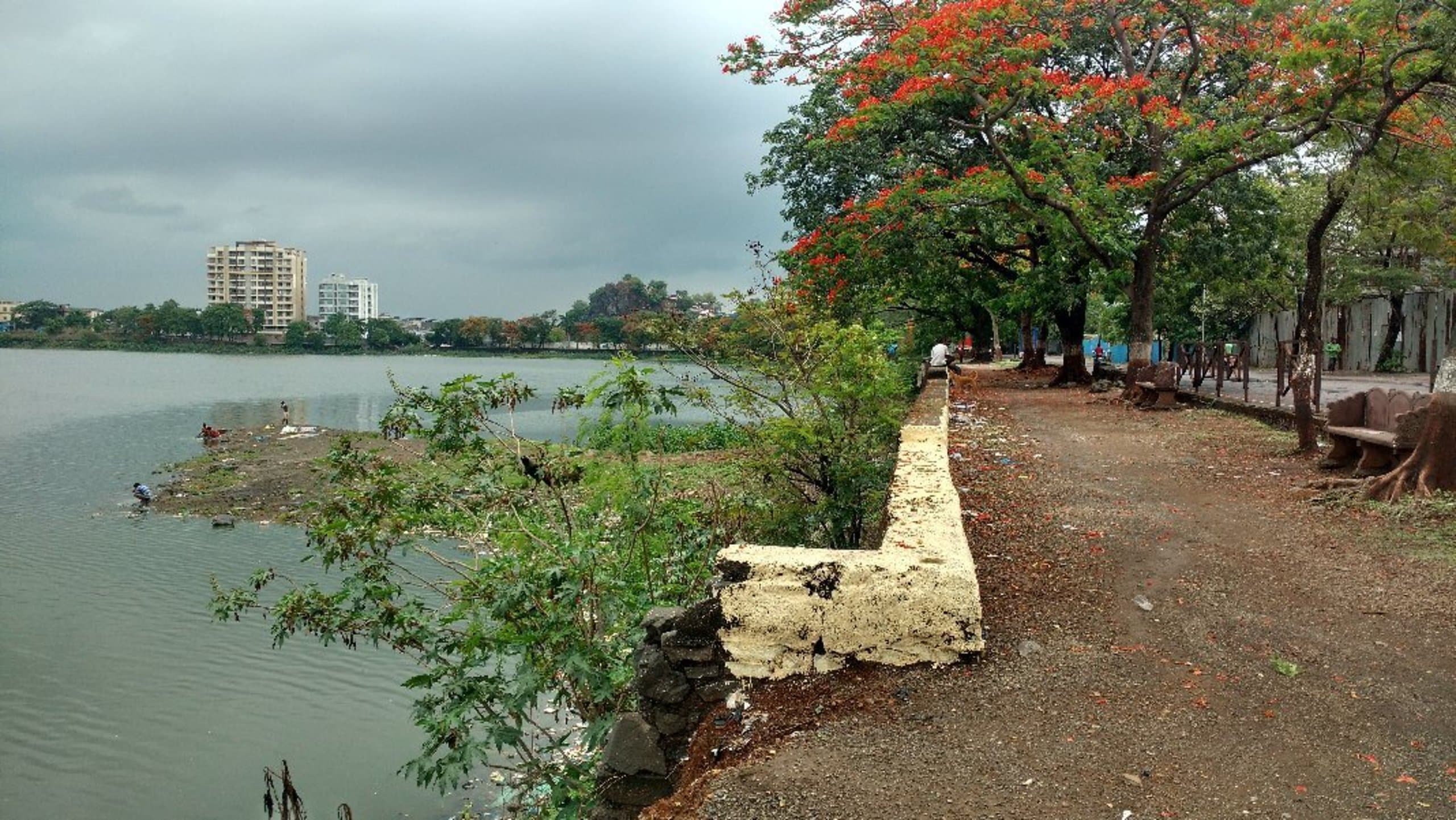
Bhiwandi, located in Maharashtra's Thane district, is primarily known as a major textile and power loom hub. While not a conventional tourist destination, it offers a unique glimpse into India's industrial landscape and local Marathi culture. For couples interested in authentic experiences beyond typical sightseeing, Bhiwandi provides opportunities to explore traditional markets, sample regional cuisine, and visit historical temples. The city's character is shaped by its working-class neighborhoods and bustling commercial areas, offering a raw, unfiltered view of urban India. This itinerary focuses on cultural immersion and food exploration within the city limits.
Get Real Local Advice
Ask someone who actually lives in Bhiwandi
1
Cultural Introduction and Local Markets
Day 1 of your journey
Bhiwandi Fort, also known as Bhiwandi Killa, is a historical structure dating back to the 18th century. Built during the Maratha Empire, it served as a strategic military outpost. Visitors can explore the remaining fortifications and gates, though much of the structure is in ruins. The site offers views of the surrounding area and provides insight into the region's history. Early morning or late afternoon visits are recommended to avoid the midday heat. The fort requires about an hour to explore thoroughly.
Bhiwandi Fort
Why Visit
This fort represents one of the few historical landmarks in Bhiwandi, offering couples a glimpse into the area's Maratha heritage. The relatively quiet atmosphere makes it suitable for peaceful exploration together. It serves as an introduction to the region's past before diving into its contemporary industrial identity.
Wear comfortable shoes as the terrain around the fort is uneven. The site has minimal facilities, so carry water. Address: Near Bhiwandi Naka, Bhiwandi.

2
Temple Visits and Street Food
Day 2 of your journey
3
Local Neighborhoods and Evening Dining
Day 3 of your journey
4
Final Cultural Experiences and Departure
Day 4 of your journey
Before You Go
Essential Travel Tips
Bhiwandi is primarily an industrial city with limited tourist infrastructure; adjust expectations accordingly
Use auto-rickshaws for local transport; agree on fares before starting journeys
Carry cash as many local establishments don't accept cards
Dress modestly, especially when visiting religious sites
Learn basic Marathi phrases like 'namaskar' (hello) and 'dhanyavad' (thank you)
Be cautious with street food if you have sensitive stomachs; stick to cooked items
Bhiwandi can be hot and humid; carry water and wear light clothing
Respect photography restrictions at religious and industrial sites
When to Go
Best Time to Visit
The best time to visit Bhiwandi is during the winter months from November to February when temperatures are milder, ranging from 15°C to 30°C. The monsoon season from June to September brings heavy rainfall that can disrupt transportation and outdoor activities. Summer months from March to May are hot and humid with temperatures often exceeding 35°C, making extensive exploration uncomfortable. Winter offers the most pleasant weather for visiting temples, markets, and walking through neighborhoods.
Local Insights & Tips
Bhiwandi's culture is shaped by its identity as a textile manufacturing center, with many residents working in related industries. The population includes Marathi-speaking locals alongside migrant workers from other Indian states. Religious practices are important, with Hindu temples and Christian churches both active in community life. The city operates on a practical, working-class rhythm rather than tourist-oriented schedules. While not conventionally scenic, Bhiwandi offers authentic experiences of urban Maharashtra beyond typical destinations. Visitors should approach with curiosity about industrial processes and local daily life rather than expecting polished attractions.