4 DaysGuinea-Bissaucountry
Guinea-bissau
Your 4-day travel guide
The best time to visit Guinea-Bissau is during the dry season from November to May, when rainfall is minimal and tempera...
Guinea-bissau•4D•All
Guinea-bissau, Guinea-Bissau
Duration:4 Days
Activities:12
Best for:All travelers
Coastal Rhythms and Colonial Echoes
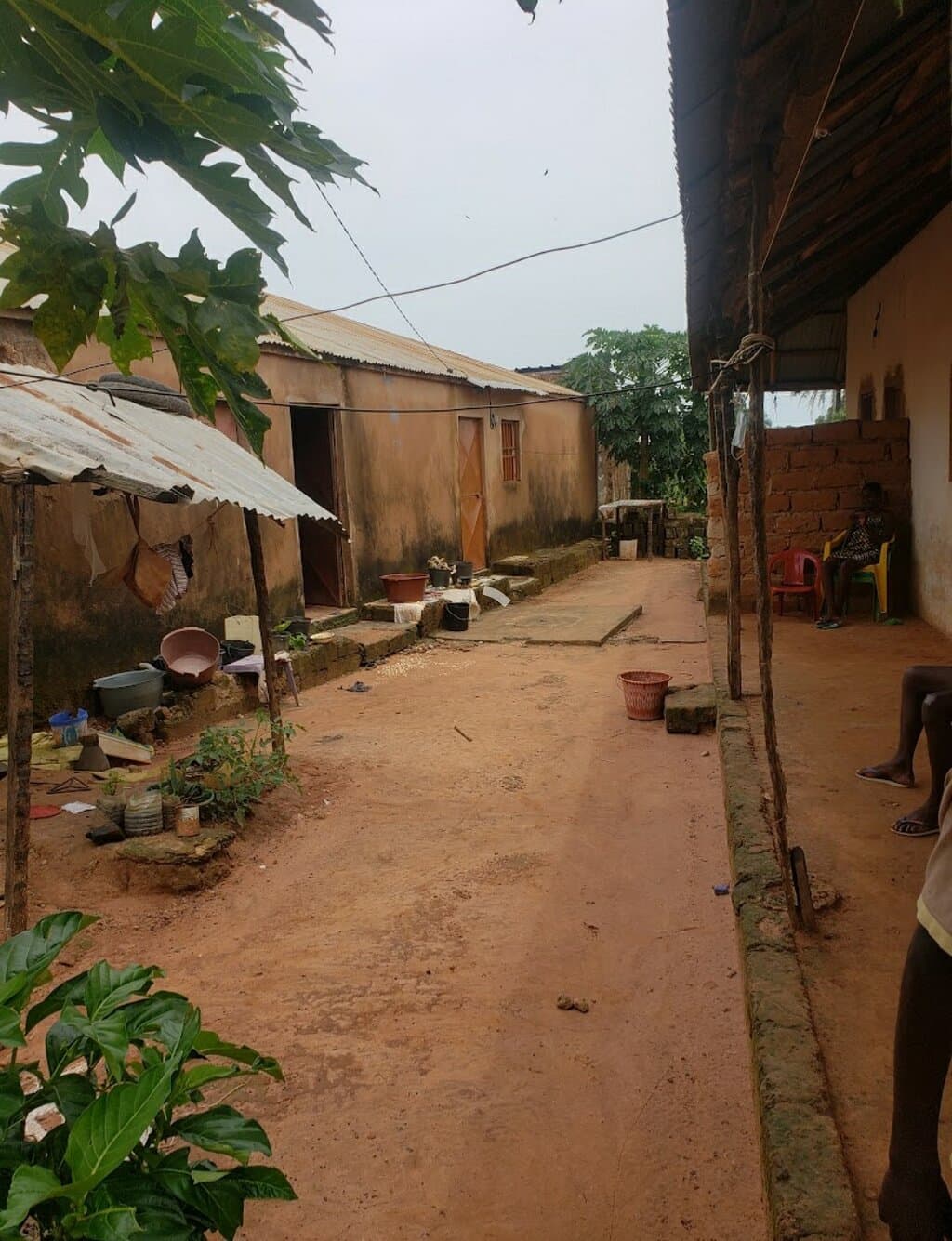
Guinea-Bissau offers travelers an authentic West African experience, blending Portuguese colonial heritage with vibrant local cultures. This small nation features a stunning archipelago of islands, lush mangrove forests, and a relaxed pace of life. For couples seeking culture and cuisine, you'll discover colorful markets, historic sites that tell stories of independence, and seafood-rich dishes reflecting the country's coastal location. The itinerary balances exploration with romantic moments, from sunset views over the Geba River to quiet island beaches. Travel here requires flexibility and openness to adventure, rewarding visitors with genuine connections and unforgettable landscapes.
Get Real Local Advice
Ask someone who actually lives in Guinea-bissau
1
Arrival and Bissau City Immersion
Day 1 of your journey
This 18th-century Portuguese fort served as a military stronghold and now houses the Amílcar Cabral Mausoleum, honoring the independence leader. Visitors can walk through the well-preserved stone walls, view historical exhibits about Guinea-Bissau's struggle for independence, and see ceremonial guards. The site offers panoramic views of the surrounding area. Plan for about 90 minutes to explore thoroughly, with mornings being cooler and less crowded. The fort represents a key piece of the country's colonial and revolutionary history.
Fortaleza de São José da Amura
Why Visit
This fort provides essential context for understanding Guinea-Bissau's journey from Portuguese colony to independent nation. The architecture showcases colonial military design, while the mausoleum honors Amílcar Cabral, whose leadership was crucial to the independence movement. For couples interested in history, it's a meaningful starting point that connects past struggles with present-day identity. The elevated position also offers excellent photo opportunities of Bissau.
Address: Avenida dos Combatentes da Liberdade da Pátria. Guides are often available near the entrance for small fees (around 5,000 XOF) and can provide deeper historical insights. Wear comfortable shoes as the stone pathways can be uneven.

2
Island Escape to the Bijagós Archipelago
Day 2 of your journey
3
Mainland Exploration and Cultural Exchange
Day 3 of your journey
4
River Culture and Return to Bissau
Day 4 of your journey
Before You Go
Essential Travel Tips
Guinea-Bissau uses the West African CFA franc (XOF). Euros are sometimes accepted in Bissau but carry local currency for elsewhere.
Portuguese is the official language but Crioulo (Portuguese-based Creole) is widely spoken. Learn basic Portuguese phrases or use translation apps.
Visa requirements vary—check with the Guinean embassy before travel. Some nationalities can obtain visas on arrival at Bissau Airport.
Health precautions include malaria prophylaxis, yellow fever vaccination (required), and drinking only bottled or purified water.
Road conditions outside Bissau can be challenging. Allow extra travel time and consider hiring experienced drivers for longer journeys.
Electricity supply can be unreliable—bring power banks for devices. Many places operate on generator power during outages.
Respect local customs: dress modestly outside tourist areas, ask permission before photographing people, and avoid public displays of affection.
Safety: Exercise normal precautions, avoid walking alone at night in unfamiliar areas, and keep valuables secure in crowded places.
When to Go
Best Time to Visit
The best time to visit Guinea-Bissau is during the dry season from November to May, when rainfall is minimal and temperatures are warm but manageable. December to February offers the most comfortable weather with lower humidity. The wet season (June to October) brings heavy rains that can make road travel difficult and some areas inaccessible. Cultural festivals like Carnival (February/March) occur during dry season, adding to the experience. Wildlife viewing in the Bijagós Archipelago is best from December to April when sea turtles nest and migratory birds are present.
Local Insights & Tips
Guinea-Bissau's culture blends Portuguese colonial influences with diverse African ethnic traditions. The Bijagós Archipelago has distinct matrilineal societies with animist beliefs, while mainland groups like the Balanta, Fula, and Mandinka maintain their own customs. Respect for elders is important in all communities. Meals are social occasions—expect to share food from common bowls. The pace of life is generally relaxed; patience and flexibility will enhance your experience. In rural areas, traditional ceremonies may occur—observe respectfully if invited. Portuguese and Crioulo greetings go a long way in building rapport. The country's recent history of political instability means conversations about politics should be approached sensitively.