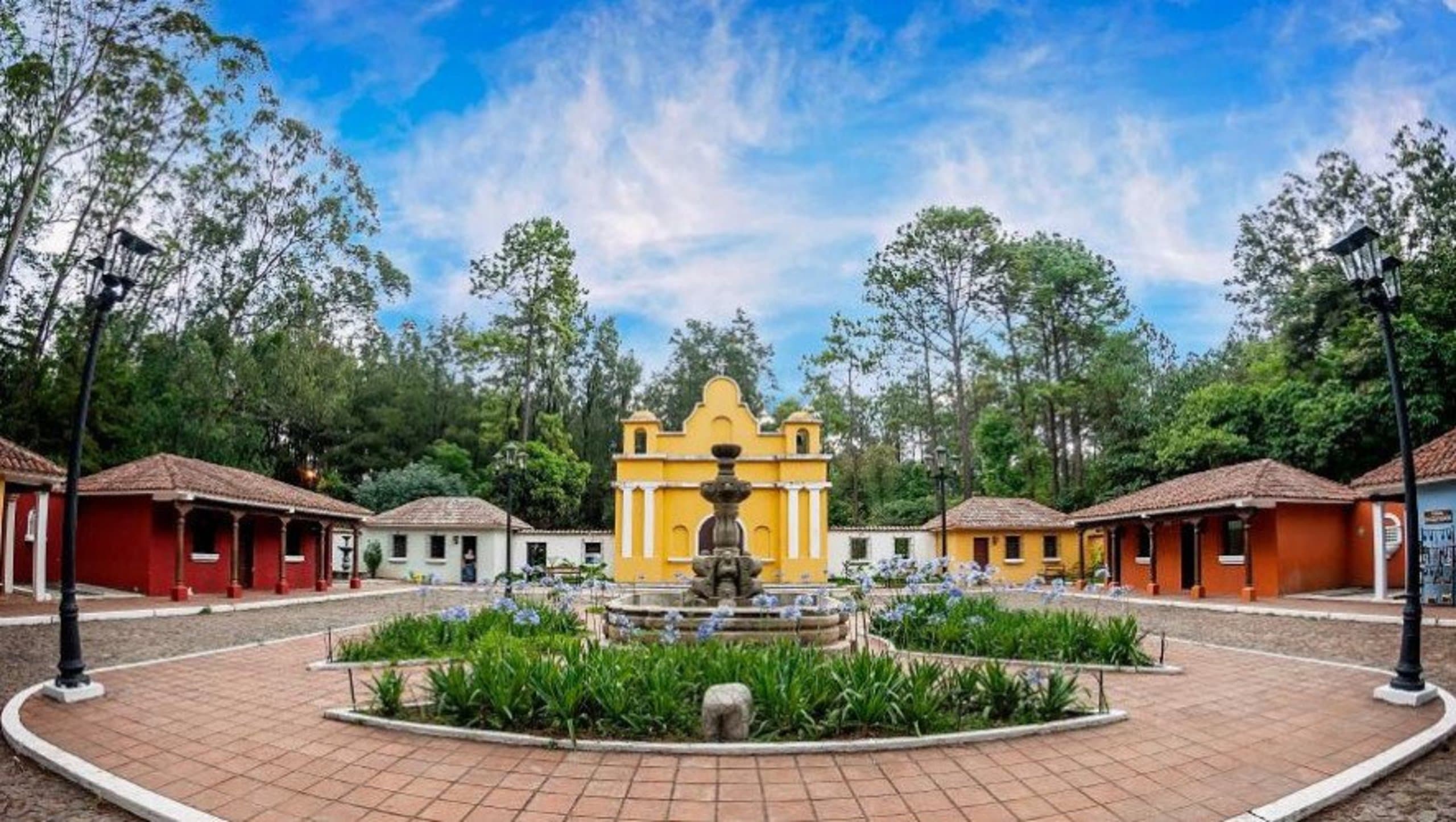
4 DaysGuatemala
Villa Nueva
Your 4-day travel guide
The dry season from November to April offers the most pleasant weather for exploring Villa Nueva, with sunny days and mi...
Villa Nueva•4D•All
Villa Nueva, Guatemala
Duration:4 Days
Activities:12
Best for:All travelers
Guatemalan Flavors and Local Life
Villa Nueva, located just south of Guatemala City, offers an authentic urban Guatemalan experience distinct from the colonial charm of Antigua or the tourist hubs. As Guatemala's second most populous municipality, it's a working-class city with a mix of residential neighborhoods, local markets, and growing commercial areas. For travelers seeking to understand contemporary Guatemalan life beyond the typical tourist circuit, Villa Nueva provides genuine interactions, affordable local cuisine, and insights into the country's urban culture. While it lacks major historical landmarks, its value lies in everyday experiences—from bustling markets to family-run eateries serving traditional dishes.
Get Real Local Advice
Ask someone who actually lives in Villa Nueva
1
Local Markets and Culinary Introduction
Day 1 of your journey
Start your day at Villa Nueva's main market, a hub of daily life where vendors sell fresh fruits, vegetables, meats, and household goods. This covered market offers a sensory experience with colorful displays of tropical fruits like mangoes, pineapples, and jocotes. You'll see locals shopping for their daily needs and can observe traditional market culture. Visit in the morning when it's most active but not too crowded. Typical visits last 1-2 hours as you wander through the aisles and maybe practice some basic Spanish with friendly vendors.
Mercado Central de Villa Nueva
Why Visit
This market provides an authentic glimpse into everyday Guatemalan life beyond tourist areas. It's a cultural immersion where you can see what locals actually eat and buy, with opportunities to try exotic fruits you won't find in supermarkets. The market represents the economic heart of the community and offers photographic opportunities of vibrant produce displays and traditional commerce.
Bring small bills (quetzales) as most vendors don't accept credit cards. Try asking for samples of seasonal fruits—vendors are often happy to let you taste before buying. Address: 7a Avenida, Zona 1, Villa Nueva.

2
Urban Exploration and Evening Dining
Day 2 of your journey
3
Cultural Immersion and Local Crafts
Day 3 of your journey
4
Relaxation and Culinary Exploration
Day 4 of your journey
Before You Go
Essential Travel Tips
Villa Nueva uses the Guatemalan quetzal (GTQ). ATMs are available in commercial areas, but carry cash for markets and small eateries.
Spanish is essential—very few people speak English. Learn basic phrases for ordering food and asking prices.
Use Uber or authorized taxis for transportation. Local buses (camionetas) are crowded and challenging for visitors.
Villa Nueva is generally safe during daytime in central areas, but avoid walking alone at night and keep valuables discreet.
Dress modestly, especially when visiting churches or more traditional areas. Shorts and tank tops may draw unwanted attention.
Drink bottled water only. Even locals avoid tap water in most urban areas.
Bargaining is expected in markets but not in fixed-price shops or restaurants. Be polite and friendly when negotiating.
Weekends (especially Sundays) see different rhythms—some businesses close, but parks and churches are more active.
When to Go
Best Time to Visit
The dry season from November to April offers the most pleasant weather for exploring Villa Nueva, with sunny days and minimal rainfall. Temperatures are consistently warm (20-28°C/68-82°F) throughout the year due to the city's altitude, but the dry season avoids afternoon thunderstorms that can disrupt outdoor activities. December through February are particularly comfortable. The rainy season (May-October) brings daily afternoon showers that can make market visits and walking less enjoyable. Villa Nueva doesn't have significant tourist seasons, so crowds aren't a concern regardless of when you visit.
Local Insights & Tips
Villa Nueva represents contemporary urban Guatemala, with a population that includes both lifelong residents and migrants from rural areas. Family and community connections are important, with many businesses family-run. Catholicism influences daily life, but you'll also see evangelical churches. The city has a practical, working-class character—people are friendly but focused on their daily routines. Mealtimes are important social moments, with lunch (almuerzo) around 12:00-14:00 being the main meal. Respect and formality matter in interactions; use 'buenos días/tardes' when entering shops. While not wealthy, residents take pride in their city's growth from a small town to Guatemala's second largest municipality.