4 DaysFrance
Marseille
Your 4-day travel guide
Best in Spring for mild weather
Marseille•4D•All
Marseille, France
Duration:4 Days
Activities:12
Best for:All travelers
Marseille's Secret Soul: 4 Days of Sun & Stories
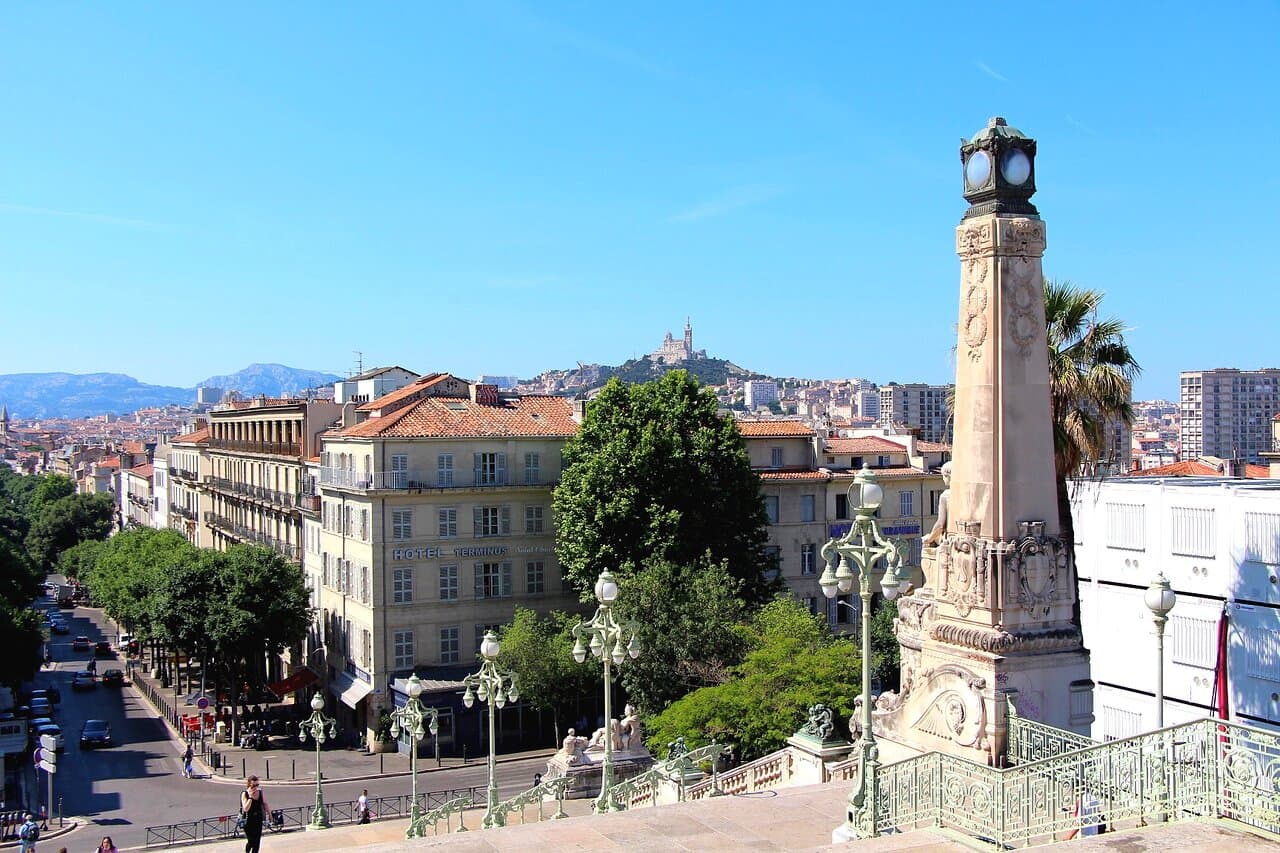
Marseille, France's second-largest city and oldest port, blends Mediterranean heritage with contemporary energy. Founded by Greek settlers around 600 BC, it serves as a gateway to Europe and Africa, reflected in its diverse population and cuisine influenced by North African and Italian traditions. The itinerary explores key sites within city limits, from hilltop basilicas offering panoramic views to historic neighborhoods and world-class museums. Over four days, travelers experience cultural landmarks, culinary highlights, artistic treasures, and residential areas, all connected by efficient public transport. This plan balances exploration with leisure, allowing time for meals and transit in a city where walking and trams reveal hidden layers.
Get Real Local Advice
Ask someone who actually lives in Marseille
1
Cultural Heritage
Day 1 of your journey
The Vieux Port stands as Marseille's ancient harbor, central to its identity since antiquity. Visitors watch fishers unload daily catches, stroll quays lined with cafes, and observe the constant rhythm of boats. It hosts morning markets with fresh seafood and produce. Entry remains free, with peak activity from early morning until afternoon. The area connects to nearby landmarks, making it an ideal starting point for cultural immersion amid maritime history.
Vieux Port
Why Visit
This port encapsulates Marseille's seafaring soul, offering authentic scenes of local life and commerce not found elsewhere. It provides context for the city's Greek origins and trade legacy, essential for grasping its multicultural evolution. Unlike tourist-heavy sites, it pulses with genuine activity year-round.
Arrive early to see fish auctions; book a short boat ride from the quay for harbor views. Avoid peak lunch crowds by visiting before 11:00. Use nearby tram stops for easy access.
2
Culinary Exploration
Day 2 of your journey
3
Art and Museums
Day 3 of your journey
4
Local Neighborhoods
Day 4 of your journey
Before You Go
Essential Travel Tips
Use the RTM app for trams, buses, and metro; single tickets cost €1.90, day passes €5.20.
English widely spoken in tourist areas, but basic French phrases like 'bonjour' and 'merci' appreciated.
Tap water safe; carry reusable bottle. Euros only, cards accepted most places.
Pickpocketing occurs in crowds at Vieux Port; use anti-theft bags.
Dress modestly at religious sites; cover shoulders and knees.
Trams efficient for hills; walk Le Panier but wear sturdy shoes.
Markets best mornings; restaurants add 15% service charge.
When to Go
Best Time to Visit
Marseille enjoys mild Mediterranean weather, with spring (April-June) offering 15-25°C temperatures, blooming landscapes, and fewer crowds before summer peak. Summer (July-August) brings 30°C heat, ideal for beaches but packed with tourists and higher prices. Fall (September-October) provides comfortable 20°C days for sightseeing. Winter (November-March) sees rain and 10°C averages, quieter for museums but some outdoor sites less appealing.
Local Insights & Tips
Marseille's character stems from its port status, fostering a multicultural populace with strong North African and Italian influences evident in couscous stands and pastis aperitifs. Locals value directness in conversation, greeting with 'salut' casually. Neighborhoods like Le Panier evoke resilient history, while Cours Julien pulses with youthful creativity. Siesta-like pauses midday common; dinner starts late around 20:00. Respect soccer rivalries, especially Olympique de Marseille. Public spaces encourage lingering; jaywalking tolerated but cautious. Festivals like La Fête du Panier in July showcase community spirit.