4 DaysEthiopiaprovince
Tigray
Your 4-day travel guide
The best time to visit Tigray is during the dry season, from October to March. During these months, rainfall is minimal,...
Tigray•4D•All
Tigray, Ethiopia
Duration:4 Days
Activities:12
Best for:All travelers
Ancient Churches and Ethiopian Flavors in the Northern Highlands
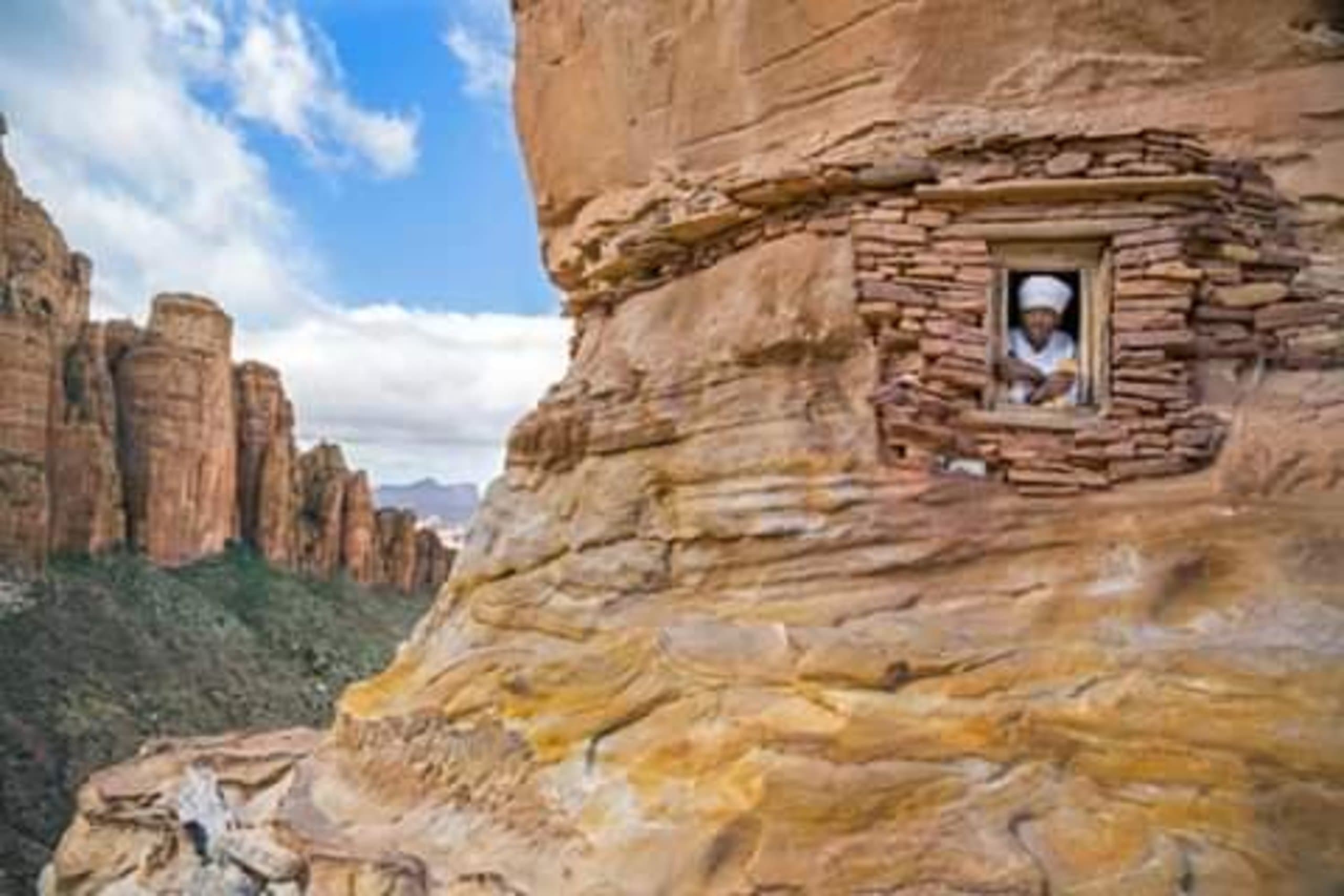
Tigray, Ethiopia's northernmost region, offers a profound journey through history and culture. Known for its dramatic landscapes of sandstone mountains and plateaus, this area is home to some of Africa's most significant historical and religious sites, including ancient rock-hewn churches. For couples interested in culture and food, Tigray provides a unique blend of exploring centuries-old heritage and savoring authentic Ethiopian cuisine in a setting that feels both remote and deeply connected to the roots of one of the world's oldest civilizations. The experience is immersive, focusing on architectural wonders, local traditions, and the distinctive flavors of northern Ethiopian cooking.
Get Real Local Advice
Ask someone who actually lives in Tigray
1
Historical Introduction and City Flavors
Day 1 of your journey
Start your cultural journey at the Tigray Museum, located near the city center. This museum houses archaeological and ethnographic collections that tell the story of the region from prehistoric times through the Aksumite period to more recent history. You'll see artifacts like ancient pottery, traditional crosses, and historical photographs. The adjacent Yohannes IV Museum, set in the former palace of Emperor Yohannes IV, offers insight into 19th-century Ethiopian royalty. A visit typically takes 1.5 to 2 hours, and mornings are less crowded.
Tigray Museum
Why Visit
This museum provides the essential historical context for understanding Tigray's significance within Ethiopia. It's the perfect starting point to appreciate the ancient sites you'll visit later, connecting artifacts to the landscapes. For a couple, it's a relaxed, informative activity that sets the tone for the trip's cultural depth without being physically demanding.
Address: Near the city center, ask for 'Tigray Museum' as it's well-known. Guides are available at the entrance for a small fee and can provide much deeper context than the labels alone.

2
Rock-Hewn Churches and Mountain Views
Day 2 of your journey
3
Ancient Capital and Culinary Discovery
Day 3 of your journey
4
Final Explorations and Return Journey
Day 4 of your journey
Before You Go
Essential Travel Tips
The local currency is the Ethiopian Birr (ETB). Credit cards are rarely accepted outside major hotels in Mekele and Axum, so carry sufficient cash in Birr.
Amharic is the national language, but Tigrinya is widely spoken in Tigray. Learning basic greetings in Tigrinya (like 'Selam' for hello) is appreciated.
Dress modestly, especially when visiting religious sites. Shoulders and knees should be covered for both men and women.
Bargaining is common in markets, but do so politely. Fixed prices are used in shops and restaurants.
Tap water is not safe to drink. Always drink bottled or filtered water.
Travel between towns requires a 4x4 vehicle. Arrange a car and driver through a reputable tour operator or your hotel; self-driving is not recommended for visitors.
Respect local customs. Avoid public displays of affection, as they are not common in this conservative culture.
Internet access can be slow and unreliable outside major hotels in Mekele and Axum.
When to Go
Best Time to Visit
The best time to visit Tigray is during the dry season, from October to March. During these months, rainfall is minimal, making road travel easier and hiking to remote churches more pleasant. Days are generally sunny and warm, while nights can be cool, especially in the highlands around Mekele and Gheralta. The rainy season (June to September) can make some dirt roads impassable and hiking trails slippery. The period around Ethiopian Christmas (Genna, January 7) and Timkat (Epiphany, January 19) is particularly vibrant with religious festivals but also busier.
Local Insights & Tips
Tigray is predominantly Ethiopian Orthodox Christian, and religion is deeply woven into daily life and culture. Many festivals are religious, and you may encounter processions or ceremonies. Hospitality is important; accepting an offer of coffee is a sign of respect. Meals are communal, eaten from a shared platter using injera. Society is generally conservative; dressing modestly is expected. The region has a strong sense of history and identity, proud of its ancient Aksumite heritage. When visiting churches, a small donation to the priest or caretaker is customary. Always ask permission before photographing people, especially in rural areas.