4 DaysEcuadorprovince
Manabí
Your 4-day travel guide
Manabí has a tropical climate with distinct wet and dry seasons. The dry season from June to December offers the most re...
Manabí•4D•All
Manabí, Ecuador
Duration:4 Days
Activities:12
Best for:All travelers
Coastal Flavors and Cultural Rhythms
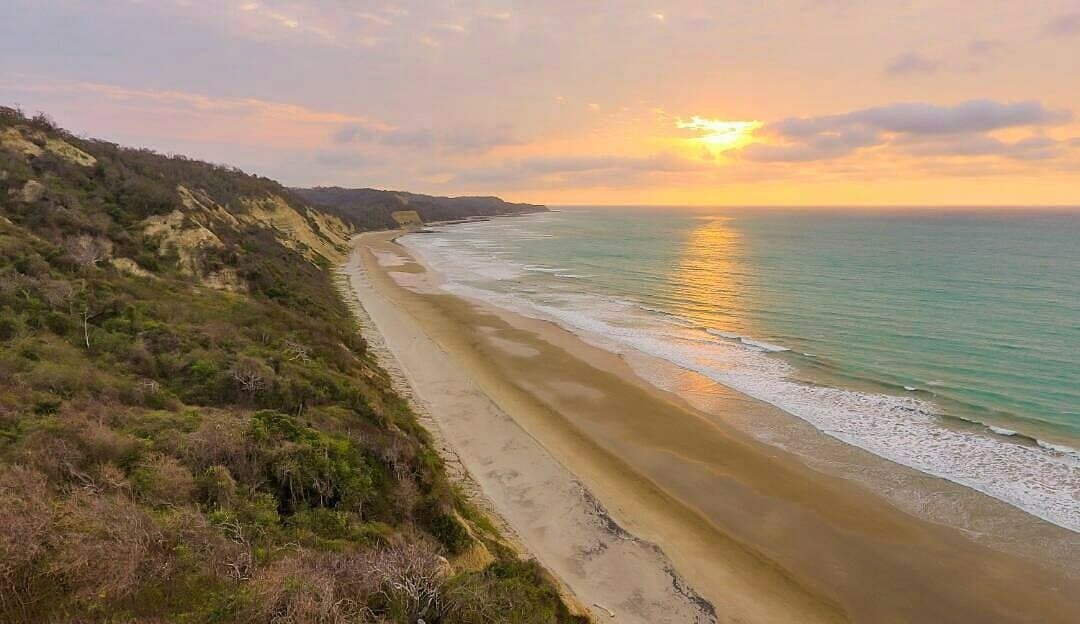
Manabí, Ecuador's coastal province, offers a rich blend of indigenous heritage, colonial history, and culinary traditions. Known as the birthplace of the Panama hat and home to pre-Columbian archaeological sites, this region combines Pacific beaches with vibrant towns where local culture thrives. For couples seeking authentic experiences, Manabí provides intimate encounters with traditional crafts, fresh seafood markets, and relaxed coastal living. From the lively streets of Portoviejo to the tranquil beaches of Bahía de Caráquez, this itinerary explores the province's diverse character through its people, food, and historical landmarks.
Get Real Local Advice
Ask someone who actually lives in Manabí
1
Cultural Introduction and Local Crafts
Day 1 of your journey
This museum showcases the history and production of Panama hats, which actually originate from Manabí. You'll see traditional weaving techniques and learn how these hats became internationally famous. Watch artisans create hats using the same methods passed down for generations. The museum is open Tuesday to Saturday from 9:00 to 17:00, with guided tours available. Plan about 90 minutes to fully appreciate the exhibits and demonstrations.
Museo del Sombrero de Paja Toquilla
Why Visit
This museum offers authentic insight into one of Ecuador's most famous cultural exports. Understanding the craftsmanship behind Panama hats connects you to Manabí's artisanal heritage. For couples, it's a unique cultural experience that showcases local talent and provides meaningful souvenirs. The intimate setting allows for personal interaction with artisans who take pride in their centuries-old tradition.
Visit in the morning when artisans are most active. Ask about purchasing directly from weavers - you'll get better quality and support local craftspeople. Address: Calle Sucre y Olmedo, near the central park.

2
Coastal Culture and Archaeological Sites
Day 2 of your journey
3
Traditional Towns and Culinary Immersion
Day 3 of your journey
4
Coastal Farewell and Culinary Synthesis
Day 4 of your journey
Before You Go
Essential Travel Tips
Ecuador uses the US dollar as official currency. Carry small bills ($1, $5, $10) as many small businesses struggle with change for larger denominations.
Basic Spanish phrases will enhance your experience. While some tourism workers speak English, most locals in Manabí primarily speak Spanish.
Taxis are affordable but always confirm the fare before getting in, as meters are rarely used outside major cities.
Manabí's coastal location means seafood is exceptionally fresh. However, if you have allergies or dietary restrictions, communicate them clearly.
The sun is strong near the equator. Use sunscreen, wear hats (you'll appreciate the local Panama hats!), and stay hydrated.
Tap water is generally not safe to drink. Stick to bottled water, which is widely available and inexpensive.
Manabí is generally safe, but exercise normal precautions with valuables, especially in crowded markets or on beaches.
Many museums and archaeological sites close on Mondays. Plan your itinerary accordingly to avoid disappointment.
When to Go
Best Time to Visit
Manabí has a tropical climate with distinct wet and dry seasons. The dry season from June to December offers the most reliable weather with less rainfall and more sunshine. This period coincides with the austral winter when temperatures are pleasant (mid-70s to low-80s Fahrenheit). The wet season from January to May brings higher humidity and afternoon showers, though mornings are often clear. December through April sees the warmest ocean temperatures for beach activities. Cultural festivals occur throughout the year, with notable events during Carnival (February/March) and local patron saint celebrations.
Local Insights & Tips
Manabí culture centers around community, family, and respect for traditions. The province has a distinct identity within Ecuador, with pride in its pre-Columbian heritage and artisanal skills. Locals appreciate visitors who show genuine interest in their crafts and history rather than just passing through. Meal times are important social occasions - lunch is the main meal, typically eaten between 13:00 and 15:00. The pace of life is generally relaxed, especially in smaller towns. When visiting workshops or markets, taking time to ask questions and learn about processes shows respect for artisans' skills. Tipping is appreciated but not always expected; 10% in restaurants is standard for good service.