4 DaysCubaprovince
Villa Clara
Your 4-day travel guide
The ideal time to visit Villa Clara is November through April during the dry season when temperatures are pleasant (22-2...
Villa Clara•4D•All
Villa Clara, Cuba
Duration:4 Days
Activities:12
Best for:All travelers
Colonial Charm and Revolutionary History in Central Cuba
Villa Clara, located in the heart of Cuba, offers a rich blend of revolutionary history, colonial architecture, and authentic Cuban culture. As the province where Che Guevara's remains are interred, it holds significant historical importance for Cuba. The provincial capital Santa Clara serves as a cultural hub with museums and monuments, while nearby towns like Remedios and Caibarién showcase well-preserved colonial architecture and coastal life. This itinerary focuses on cultural immersion through historical sites, museums, and local culinary experiences, perfect for couples seeking to understand Cuba beyond its beaches.
Get Real Local Advice
Ask someone who actually lives in Villa Clara
1
Revolutionary History and City Culture
Day 1 of your journey
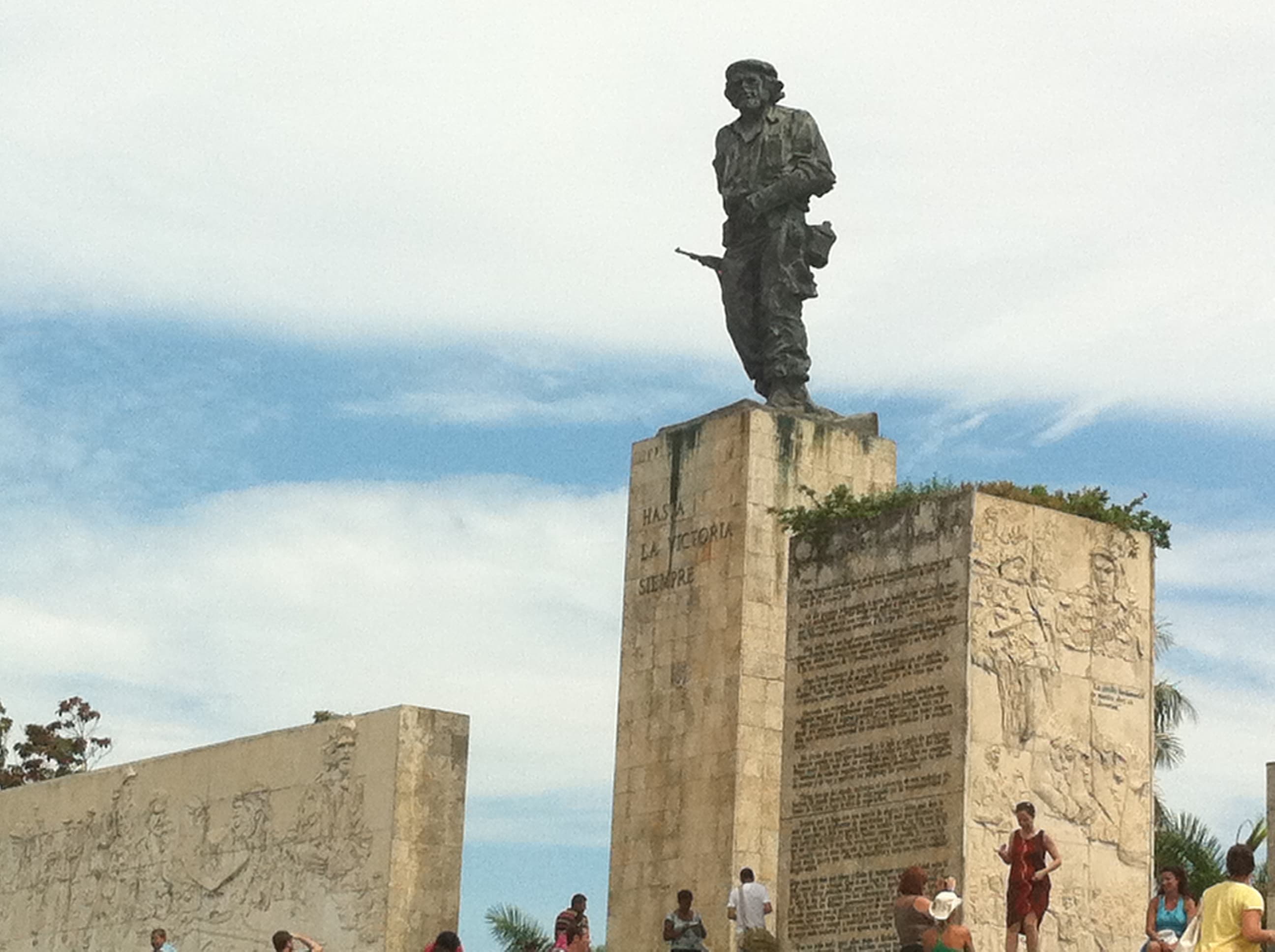
This memorial complex houses the remains of Che Guevara and his fellow combatants. The museum displays personal artifacts, photographs, and documents tracing Guevara's life from Argentina to Bolivia. The adjacent mausoleum is a solemn space with an eternal flame. Visitors typically spend 1.5-2 hours exploring the exhibits and memorial. The complex is busiest in late morning, so arriving early provides a more contemplative experience.
Conjunto Escultórico Comandante Ernesto Che Guevara
Why Visit
This is one of Cuba's most significant historical sites, offering profound insight into the Cuban Revolution and Che Guevara's legacy. The museum's collection includes authentic artifacts like Guevara's medical instruments and personal letters, providing a human dimension to this iconic figure. For couples interested in history, it's an essential stop to understand modern Cuba's foundations.
Dress respectfully as this is a memorial site. Photography is not permitted inside the mausoleum. The museum has Spanish descriptions, so consider downloading a translation app if needed.

2
Colonial Heritage and Local Crafts
Day 2 of your journey
3
Coastal Culture and Museum Exploration
Day 3 of your journey
4
Cultural Synthesis and Departure
Day 4 of your journey
Before You Go
Essential Travel Tips
Carry cash in both Cuban Convertible Pesos (CUC) and Cuban Pesos (CUP) as credit cards from US banks often don't work
Learn basic Spanish phrases as English is not widely spoken outside tourist areas
Book casa particulares (private homestays) in advance for authentic accommodation
Carry toilet paper and hand sanitizer as public restrooms often lack supplies
Dress modestly when visiting religious sites and memorials
Drink bottled water to avoid stomach issues
Be patient with service as Cuban pace is generally slower than Western standards
Keep passport and tourist card with you at all times as police may request identification
When to Go
Best Time to Visit
The ideal time to visit Villa Clara is November through April during the dry season when temperatures are pleasant (22-28°C/72-82°F) and rainfall is minimal. December to February sees cooler evenings. May through October is hotter and more humid with increased chance of afternoon thunderstorms, though this is low season with fewer tourists. Hurricane season runs June through November, with highest risk August-October. Cultural events like Remedios' Parrandas festival in late December attract crowds but offer unique experiences.
Local Insights & Tips
Villa Clara offers authentic Cuban culture less influenced by mass tourism than coastal resorts. Locals are generally friendly and curious about foreign visitors. Respect revolutionary symbols and figures as they hold deep significance. Tipping is appreciated in restaurants (10% is standard) and for services. Cubans value personal interaction, so taking time to converse enhances experiences. Music is integral to daily life—expect to hear son, salsa, and trova in public spaces. Economic challenges mean shortages occur, so flexibility with plans is wise. Cubans often separate social and political discussions, so follow their lead on topics.