4 DaysColombiaprovince
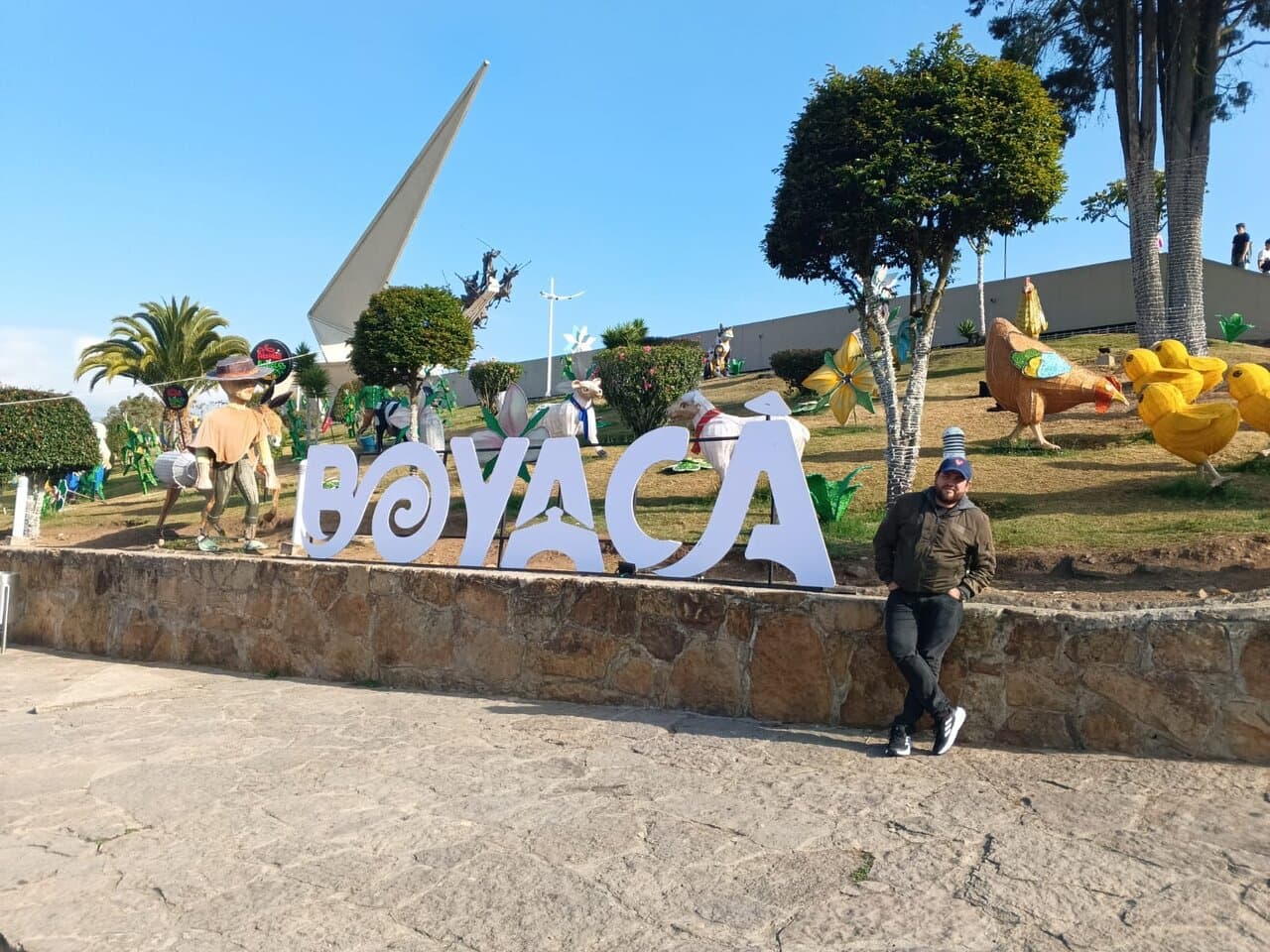
Boyacá
Your 4-day travel guide
The best time to visit Boyacá is during the dry seasons, from December to March and July to August, when rainfall is min...
Boyacá•4D•All
Boyacá, Colombia
Duration:4 Days
Activities:12
Best for:All travelers
Colonial Charm and Culinary Traditions in the Colombian Highlands
Boyacá, located in the heart of Colombia's Andes, is a province rich in history, culture, and natural beauty. Known as the 'Land of Freedom' for its pivotal role in Colombia's independence, it offers travelers a journey through colonial towns, indigenous markets, and stunning mountain landscapes. This itinerary focuses on the cultural heritage and culinary delights that define the region, from traditional dishes like 'ajiaco' and 'tamales' to historic sites that tell the story of Colombia's past. Perfect for couples seeking a romantic and immersive experience, Boyacá combines scenic drives, local interactions, and authentic flavors in a compact four-day exploration.
Get Real Local Advice
Ask someone who actually lives in Boyacá
1
Colonial History and Local Markets
Day 1 of your journey
Start your day at Plaza de Bolívar, the main square in Tunja, surrounded by well-preserved colonial architecture. Visit the Cathedral Basilica Metropolitana Santiago de Tunja, dating back to the 16th century, and stroll through the cobblestone streets to see landmarks like the Casa del Fundador. This area is the heart of Tunja's history, offering a glimpse into its role in Colombia's independence. Plan for a leisurely walk, taking about 2 hours to appreciate the details and quiet morning atmosphere.
Plaza de Bolívar and Surrounding Colonial Buildings
Why Visit
Tunja's historic center is one of Colombia's best-preserved colonial areas, with buildings that showcase Spanish influence and local history. It provides a foundational understanding of Boyacá's cultural significance, making it an essential stop for couples interested in architecture and history. The peaceful ambiance early in the day allows for intimate exploration without crowds.
Address: Plaza de Bolívar, Tunja. Visit on a weekday morning to avoid weekend crowds and enjoy the local vibe. Wear comfortable shoes for walking on uneven surfaces.

2
Indigenous Culture and Scenic Drives
Day 2 of your journey
3
Artisan Crafts and Mountain Landscapes
Day 3 of your journey
4
Historical Sites and Farewell Flavors
Day 4 of your journey
Before You Go
Essential Travel Tips
Currency: The local currency is the Colombian peso (COP). Credit cards are accepted in most hotels and restaurants in towns like Tunja and Villa de Leyva, but carry cash for smaller vendors and markets.
Language: Spanish is the primary language. Learning basic phrases like 'hola' (hello) and 'gracias' (thank you) can enhance your interactions, as English is not widely spoken outside tourist areas.
Safety: Boyacá is generally safe for travelers, but take standard precautions: avoid displaying valuables, use reputable transportation, and stay aware of your surroundings, especially at night.
Altitude: Many areas in Boyacá are at high altitude (over 2,000 meters). Take it easy on your first day to acclimate, drink plenty of water, and consider consulting a doctor if you have health concerns.
Weather: The climate can be cool, especially in the evenings. Pack layers, including a jacket, and comfortable walking shoes for cobblestone streets and uneven terrain.
Cultural Etiquette: Dress modestly when visiting religious sites like churches and monasteries. A friendly and respectful attitude is appreciated by locals.
Transportation: Renting a car is recommended for flexibility, but buses connect major towns like Tunja, Villa de Leyva, and Paipa. Taxis are available in urban areas for short trips.
Food: Try local specialties such as ajiaco, tamales, and hormigas culonas. Water is generally safe to drink in established restaurants, but bottled water is widely available if preferred.
When to Go
Best Time to Visit
The best time to visit Boyacá is during the dry seasons, from December to March and July to August, when rainfall is minimal and temperatures are mild, ranging from 10°C to 20°C (50°F to 68°F). These periods offer ideal conditions for exploring outdoor sites and driving through the mountains. The rainy seasons, from April to June and September to November, can bring frequent showers, which might affect travel plans and outdoor activities. Tourist crowds are higher during holidays like Semana Santa (Holy Week) and Colombian public holidays, so plan accordingly if you prefer quieter visits.
Local Insights & Tips
Boyacá is known for its strong cultural identity, rooted in indigenous traditions and colonial history. Locals are generally warm and proud of their heritage, so showing interest in their customs, such as pottery in Ráquira or historical sites, is appreciated. The pace of life is slower in smaller towns, reflecting a focus on community and family. When dining, it's common to share meals, and tipping around 10% is customary in restaurants. Many towns host festivals throughout the year, like the Festival de la Cultura in Tunja, which celebrate music, dance, and food. Respect for religious sites is important, so dress conservatively and speak quietly in churches. The region's cuisine heavily features potatoes, corn, and local cheeses, reflecting its agricultural base.