4 DaysChina
Zunhua
Your 4-day travel guide
The optimal time to visit Zunhua is during spring (April to May) and autumn (September to October). Spring offers mild t...
Zunhua•4D•All
Zunhua, China
Duration:4 Days
Activities:12
Best for:All travelers
Imperial Heritage and Hebei Flavors
Zunhua, a historic city in Hebei Province, offers a compelling blend of cultural significance and authentic northern Chinese experiences. Located about 125 kilometers east of Beijing, it serves as a gateway to one of China's most important imperial sites while maintaining its own local character. The city is best known for the Eastern Qing Tombs, a UNESCO World Heritage site that represents the pinnacle of Qing dynasty funerary architecture. Beyond this major attraction, Zunhua provides opportunities to explore traditional markets, sample hearty Hebei cuisine, and experience small-city life in this historically rich region. For couples interested in culture and food, it offers a more intimate alternative to crowded tourist destinations.
Get Real Local Advice
Ask someone who actually lives in Zunhua
1
Imperial History and Arrival
Day 1 of your journey
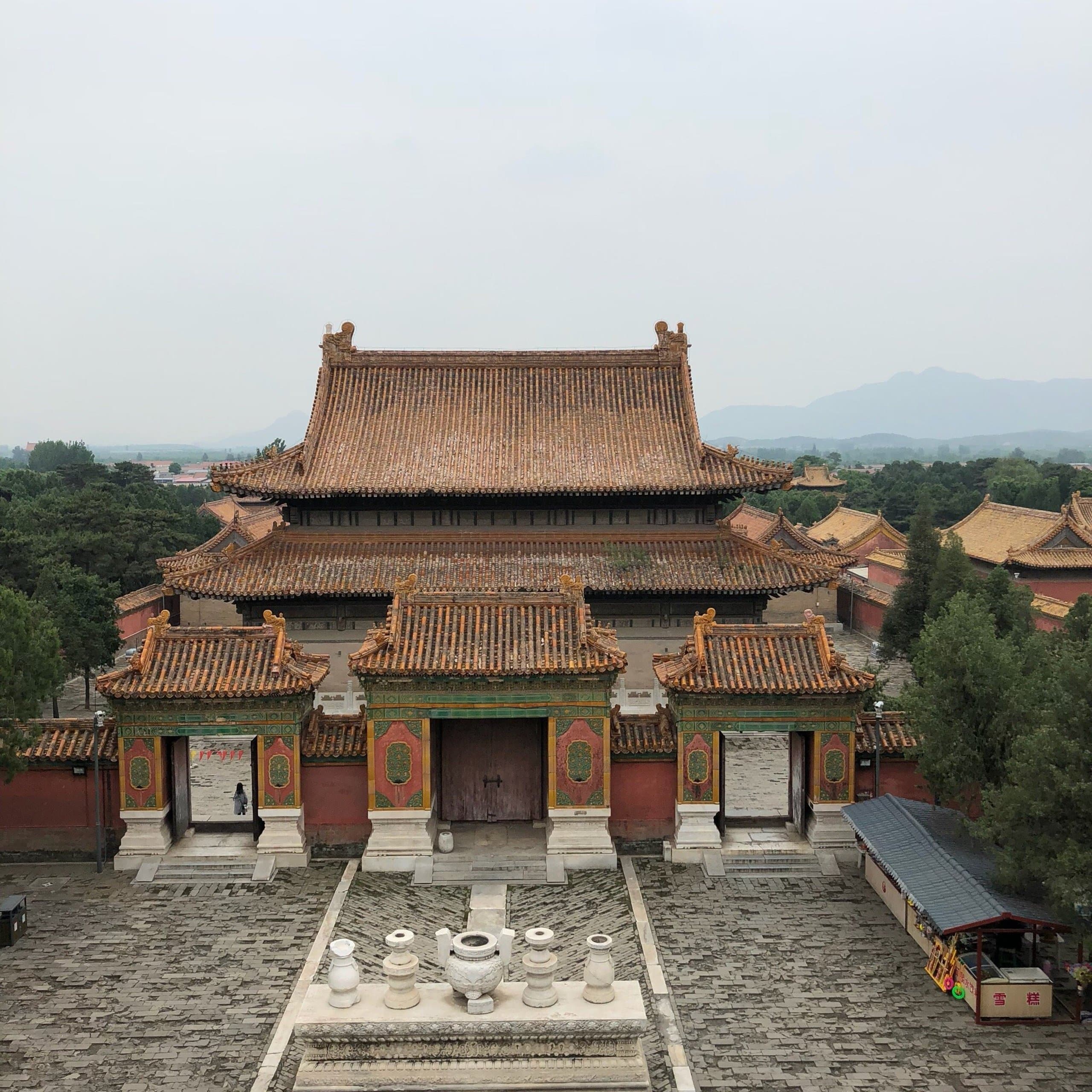
The Eastern Qing Tombs represent the largest and most complete imperial tomb complex in China, housing five emperors, fifteen empresses, and numerous concubines and princes. Visitors will walk through grand spirit ways lined with stone statues, explore underground palaces, and admire intricate architectural details that reflect Qing dynasty cosmology. The site covers 80 square kilometers, so comfortable walking shoes are essential. Morning visits avoid the largest crowds and provide better light for photography. The main tombs are spread across the valley, with Xiaoling (Shunzhi Emperor) and Yuling (Qianlong Emperor) being particularly impressive.
Eastern Qing Tombs
Why Visit
This UNESCO site offers unparalleled insight into Qing dynasty imperial burial traditions and architecture. The scale and preservation are remarkable, with elaborate stone carvings, ceremonial pathways, and underground chambers that reveal historical craftsmanship. For couples, it provides a peaceful, contemplative environment to explore together away from urban crowds, with beautiful mountain backdrops enhancing the experience.
Address: Malanyu Town, Zunhua. Purchase the combined ticket that includes access to multiple tombs rather than individual entries. The site is extensive, so consider renting a bicycle or taking the shuttle between distant tombs to conserve energy.

2
Local Markets and Culinary Discovery
Day 2 of your journey
3
Cultural Sites and Evening Dining
Day 3 of your journey
4
Local Life and Departure
Day 4 of your journey
Before You Go
Essential Travel Tips
Transportation to Zunhua is easiest from Beijing, with buses departing regularly from Sihui Station. The journey takes approximately 2.5 hours depending on traffic.
Within Zunhua, taxis are affordable and convenient for reaching the Eastern Qing Tombs (about 30 minutes from city center). Agree on price before departure or ensure meter use.
Cash remains essential in Zunhua, especially at markets, smaller restaurants, and for transportation. ATMs are available but may have withdrawal limits.
Basic Mandarin phrases are helpful as English is not widely spoken. Learn food-related terms or use translation apps for menus.
Zunhua has distinct seasons with hot summers and cold winters. Pack accordingly, with comfortable walking shoes essential for tomb exploration.
Respect photography restrictions at tomb sites, particularly inside chambers where flash may be prohibited to preserve artifacts.
Tipping is not expected in restaurants, though rounding up taxi fares is appreciated. Service charges are included in bills where applicable.
Zunhua is generally safe, but take normal precautions with valuables in crowded areas like markets.
When to Go
Best Time to Visit
The optimal time to visit Zunhua is during spring (April to May) and autumn (September to October). Spring offers mild temperatures, blooming vegetation around the tombs, and fewer tourists than peak seasons. Autumn provides comfortable weather, clear skies ideal for photography, and the chestnut harvest season with fresh products available. Summer (June to August) can be hot and humid, though early morning visits to tombs are still pleasant. Winter (November to March) is cold with potential snow, which can create beautiful scenery but requires warm clothing and may affect transportation. Avoid Chinese national holidays when domestic tourism increases significantly.
Local Insights & Tips
Zunhua maintains traditional northern Chinese cultural norms with emphasis on family, community, and respect for history. The city's identity is closely tied to the Eastern Qing Tombs, which are a source of local pride and economic activity. Daily life follows agricultural rhythms despite urban development, with markets reflecting seasonal produce. Social interactions are generally reserved but polite, with older residents particularly valuing formal greetings. When visiting temples or historical sites, modest behavior is appreciated though not strictly enforced. Food culture emphasizes hearty, practical dishes suited to the climate, with shared meals being important social occasions. The pace of life is slower than in major cities, allowing for more personal interactions with vendors and service providers.