4 DaysChina
Wuchang
Your 4-day travel guide
The best times to visit Wuchang are spring (March to May) and autumn (September to November). Spring offers mild tempera...
Wuchang•4D•All
Wuchang, China
Duration:4 Days
Activities:12
Best for:All travelers
Ancient Capitals and Culinary Delights
Wuchang, now part of Wuhan's urban core, is a district steeped in history as one of China's Three Kingdoms-era capitals. This itinerary explores its deep cultural roots through ancient sites and temples, while indulging in the renowned culinary traditions of Hubei province. As a couple, you'll experience romantic lakeside strolls, intimate dining featuring local specialties like hot dry noodles, and historical exploration at a comfortable pace. The blend of serene East Lake scenery and vibrant street food markets creates a perfect balance for a culturally rich and flavorful getaway.
Get Real Local Advice
Ask someone who actually lives in Wuchang
1
Historical Foundations and Lake Serenity
Day 1 of your journey
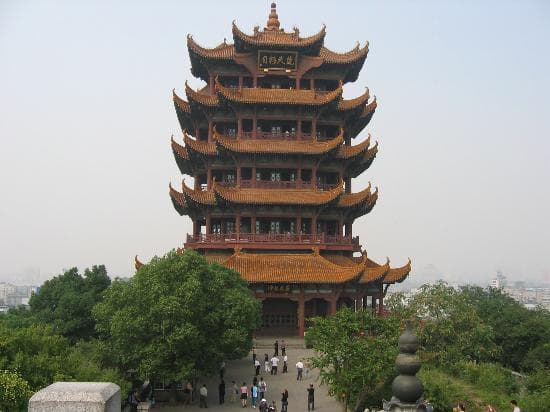
Begin your trip at this iconic symbol of Wuhan, a reconstruction of the ancient tower dating back over 1,700 years. Located on Snake Hill, it offers panoramic views of the Yangtze River and the city. The complex includes pavilions, gates, and poems inscribed by famous Chinese literati. Plan for about two hours to climb the tower, explore the exhibits on its history, and enjoy the scenery. Mornings are less crowded, providing a more peaceful experience for couples.
Yellow Crane Tower
Why Visit
The Yellow Crane Tower is central to Chinese poetry and culture, mentioned in classic works by Li Bai and others. Its historical significance as a watchtower and literary landmark makes it essential for understanding the region's heritage. The views from the top provide a stunning introduction to Wuchang's geography along the Yangtze.
Address: Inside Snake Hill Scenic Area. Purchase a combined ticket for the tower and Snake Hill park. The best photo spot is from the main viewing platform on the fifth floor, looking toward the Yangtze River Bridge.
2
Cultural Immersion and Temple Visits
Day 2 of your journey
3
University Culture and Local Markets
Day 3 of your journey
4
Relaxation and Scenic Farewells
Day 4 of your journey
Before You Go
Essential Travel Tips
Use the Wuhan Metro for efficient travel between attractions; lines 2, 4, and 7 serve Wuchang well.
Carry cash (Chinese Yuan) as some smaller eateries and temples may not accept cards or mobile payments.
Learn basic Mandarin phrases like 'ni hao' (hello) and 'xie xie' (thank you) for smoother interactions.
Wear comfortable walking shoes, as many sites involve exploring on foot.
Check weather forecasts; summers can be hot and humid, while winters are cold, so dress accordingly.
Use ride-hailing apps like Didi for convenient taxi services within the city.
Respect temple etiquette by dressing modestly and speaking quietly in religious sites.
Stay hydrated and carry a water bottle, especially when visiting outdoor areas like East Lake.
When to Go
Best Time to Visit
The best times to visit Wuchang are spring (March to May) and autumn (September to November). Spring offers mild temperatures, typically 15-25°C (59-77°F), and the famous cherry blossoms at Wuhan University bloom in late March to early April, making it particularly scenic. Autumn provides comfortable weather, around 10-22°C (50-72°F), with clear skies and fewer rain showers, ideal for outdoor activities like exploring East Lake. Summer (June to August) can be hot and humid, with temperatures often exceeding 30°C (86°F), while winter (December to February) is cold, around 0-10°C (32-50°F), and may see occasional rain or light snow. Tourist crowds are higher during national holidays like Golden Week in October, so plan accordingly.
Local Insights & Tips
Wuchang is part of Wuhan, a city with a mix of historical depth and modern energy. Locals take pride in their culinary heritage, with hot dry noodles being a daily staple and a point of regional identity. The pace is generally relaxed compared to larger Chinese cities, but it can get busy in commercial areas. When visiting temples, observe local customs such as bowing slightly before statues and avoiding loud conversations. In restaurants, sharing dishes is common, and it's polite to leave a little food on your plate to show you are satisfied. The university district has a youthful vibe, while older neighborhoods retain traditional characteristics. Public transport is efficient, but be prepared for crowds during rush hours. Tipping is not expected in China.