4 DaysChina
Turpan
Your 4-day travel guide
The optimal time to visit Turpan is during spring (April to May) and autumn (September to October). During these periods...
Turpan•4D•All
Turpan, China
Duration:4 Days
Activities:12
Best for:All travelers
Silk Road Oasis: Ancient Culture and Desert Flavors
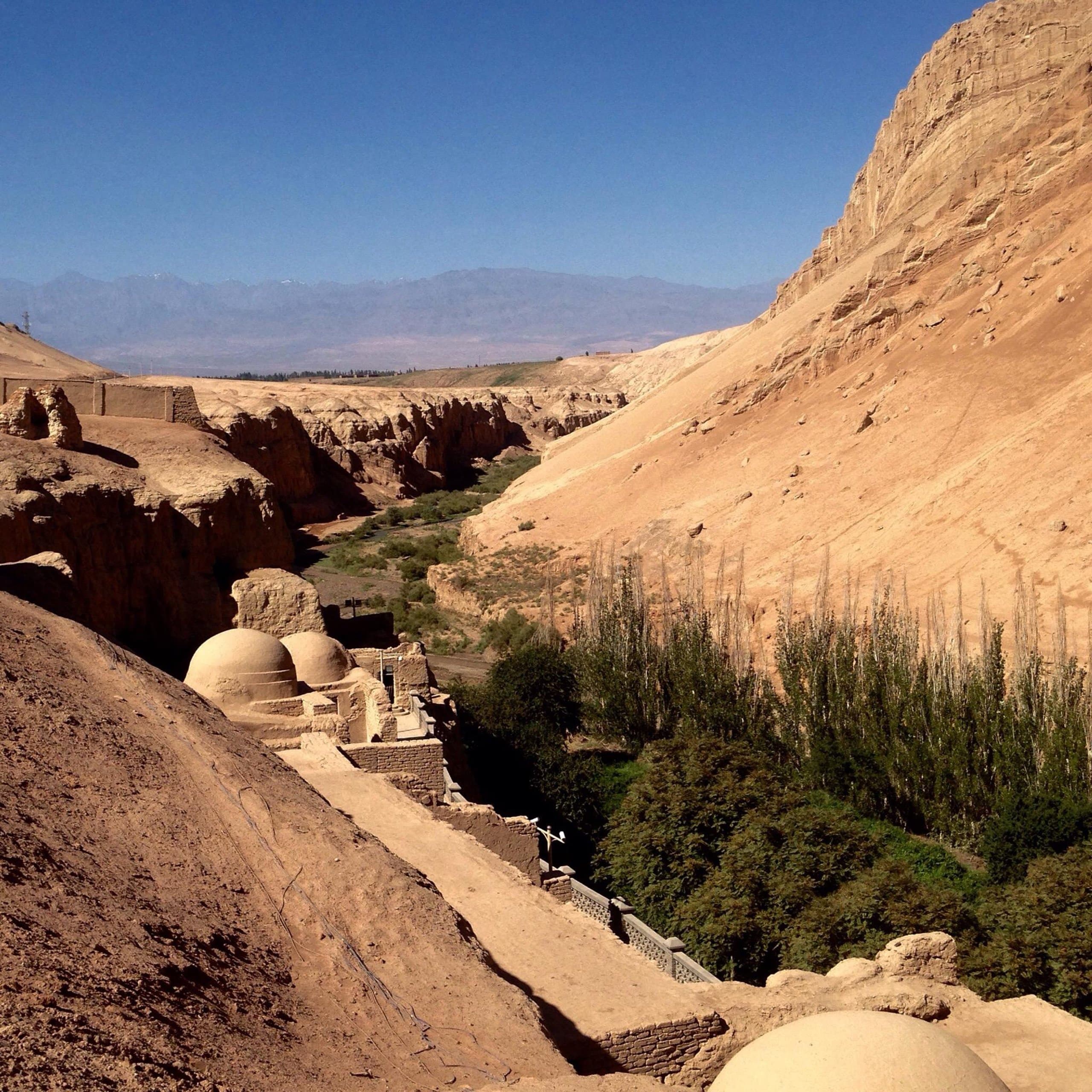
Turpan, located in China's Xinjiang region, is a remarkable desert oasis city along the historic Silk Road. Known as one of the hottest places in China, it offers a unique blend of Uyghur culture, ancient history, and distinctive desert agriculture. The city sits in a depression below sea level, creating a microclimate that produces some of China's most famous grapes and melons. Visitors discover well-preserved historical sites, traditional mud-brick architecture, and a culinary tradition shaped by Central Asian influences. For couples interested in culture and food, Turpan provides an immersive experience with its ancient ruins, lively bazaars, and warm hospitality.
Get Real Local Advice
Ask someone who actually lives in Turpan
1
Ancient History and Architecture
Day 1 of your journey
Jiaohe is one of the world's best-preserved earthen cities, dating back over 2,000 years. Built on a plateau between two rivers, this former capital of the Jushi Kingdom features remarkable mud-brick structures that have survived centuries. Visitors walk through ancient streets, temples, and residential areas while learning about Silk Road history. The site requires about 2-3 hours to explore thoroughly. Morning visits are recommended to avoid the intense afternoon heat, and comfortable walking shoes are essential for the uneven terrain.
Jiaohe Ancient City Ruins
Why Visit
Jiaohe offers a rare glimpse into ancient urban planning and architecture along the Silk Road. As one of the oldest and best-preserved earthen cities in the world, it provides tangible connection to Turpan's historical significance. The dramatic location on a plateau creates impressive views of the surrounding landscape, making it both historically important and visually striking.
Bring plenty of water and sun protection as there's minimal shade. The site opens at 9:30 AM, and tickets cost around 70 yuan. Address: Ya'er Township, Turpan, Xinjiang.

2
Desert Agriculture and Local Life
Day 2 of your journey
3
Silk Road Heritage and Traditional Crafts
Day 3 of your journey
4
Desert Landscape and Culinary Exploration
Day 4 of your journey
Before You Go
Essential Travel Tips
Turpan experiences extreme temperatures, with summer highs often exceeding 40°C (104°F). Visit between April-May or September-October for milder weather.
The local currency is Chinese Yuan (CNY). Credit cards are accepted in hotels and some restaurants, but carry cash for markets and smaller establishments.
Basic Mandarin phrases are helpful, though in tourist areas some English is spoken. Learning simple Uyghur greetings is appreciated by locals.
Dress modestly when visiting religious sites, covering shoulders and knees. Remove shoes before entering mosques or homes when invited.
Stay hydrated and use sun protection consistently. The dry climate and intense sun require more water intake than usual.
Transport within Turpan is easiest by taxi or private car. Distances between sites can be significant, so plan transportation in advance.
Respect local customs regarding photography, especially of people and in religious spaces. Always ask permission before photographing individuals.
Try local specialties beyond the obvious: look for nang (bread), samsa (meat pastries), and various dairy products in addition to grapes and melons.
When to Go
Best Time to Visit
The optimal time to visit Turpan is during spring (April to May) and autumn (September to October). During these periods, daytime temperatures range from 20-30°C (68-86°F), making outdoor exploration comfortable. Summer months (June to August) bring extreme heat, with temperatures regularly exceeding 40°C (104°F) and sometimes reaching 50°C (122°F), which can limit daytime activities. Winter (November to March) is cold with temperatures often below freezing, though fewer tourists visit during this time. The grape harvest occurs from July to September, offering fresh fruit but requiring tolerance for heat. Cultural festivals often take place in spring and autumn, coinciding with the most pleasant weather conditions.
Local Insights & Tips
Turpan's culture is predominantly Uyghur, with Islamic traditions influencing daily life and customs. The local population maintains strong connections to Central Asian heritage while being part of modern China. Hospitality is important, with guests often offered tea and fruit. When visiting homes or religious sites, modest dress is expected, and removing shoes may be required. The pace of life is generally relaxed, with afternoon breaks common during hot periods. Markets and bazaars serve as social centers where news is exchanged. Traditional music and dance remain important cultural expressions, often featured at celebrations. Understanding that Turpan has been a crossroads for millennia helps appreciate the mix of influences visible in architecture, food, and customs.