4 DaysChina
Quzhou
Your 4-day travel guide
The ideal times to visit Quzhou are spring (April to May) and autumn (September to October). Spring brings mild temperat...
Quzhou•4D•All
Quzhou, China
Duration:4 Days
Activities:12
Best for:All travelers
Ancient Confucian Roots and Zhejiang Flavors
Quzhou, a historic city in western Zhejiang province, offers a rich blend of cultural heritage and authentic local cuisine. Known as the 'Southern Confucian Capital' for its deep connections to Confucian culture and the Kong family, the city provides a more relaxed alternative to Zhejiang's coastal hubs. Visitors can explore well-preserved ancient architecture, significant temples, and a food scene featuring distinctive local dishes like Quzhou noodles and Three Heads delicacies. With its manageable size and friendly atmosphere, Quzhou is ideal for couples seeking cultural depth and culinary discovery without the crowds of major tourist destinations.
Get Real Local Advice
Ask someone who actually lives in Quzhou
1
Confucian Heritage and Ancient Architecture
Day 1 of your journey
Quzhou Confucius Temple is one of the two major Confucius family temples in China, alongside the one in Qufu. This historic complex dates back to the Southern Song Dynasty and serves as the ancestral temple for the southern branch of the Kong family. Visitors can admire traditional Chinese architecture, ancient stone tablets, and learn about Confucian philosophy. The temple grounds are peaceful, with old trees and classical gardens. Allow about 2 hours to fully appreciate the main hall, stone carvings, and exhibition halls that detail the temple's 800-year history.
Quzhou Confucius Temple
Why Visit
This temple represents a unique piece of China's Confucian heritage, being the southern center of Kong family worship. Unlike the more famous Qufu temple, it offers a more intimate experience with fewer crowds. The architecture and artifacts provide genuine insight into Confucian traditions and their influence in southern China. For couples interested in history, it's a meaningful starting point to understand Quzhou's cultural identity.
Visit on weekdays to avoid local student groups. The stone tablet inscriptions are particularly noteworthy—look for those from the Ming and Qing dynasties. Address: 65 Xianxue Street, Kecheng District.

2
Temple Culture and Local Markets
Day 2 of your journey
3
Riverside Scenery and Culinary Specialties
Day 3 of your journey
4
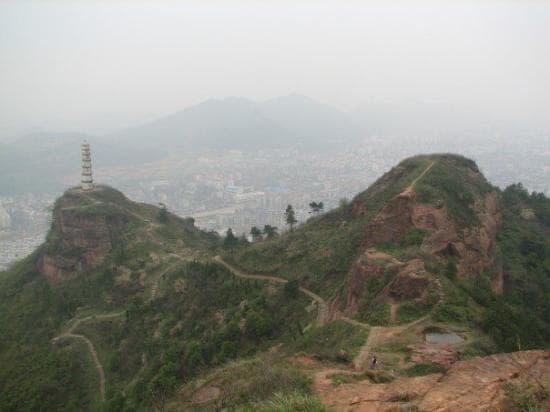
Mountain Views and Farewell Dinner
Day 4 of your journey
Before You Go
Essential Travel Tips
Quzhou uses China's standard currency (RMB). Credit cards are accepted at hotels and larger restaurants, but carry cash for markets and small businesses.
Basic Mandarin phrases are helpful as English is not widely spoken. Learn 'nihao' (hello), 'xiexie' (thank you), and numbers for transactions.
Public buses connect major attractions, but taxis are inexpensive and convenient for couples. Didi (China's ride-hailing app) works well here.
Quzhou is generally safe with low crime. Normal precautions for valuables apply, especially in crowded markets.
Tipping is not expected in China. Exceptional service might be acknowledged with a small tip, but it's not customary.
Many attractions close on Mondays for maintenance. Check specific opening days before visiting museums and some temples.
Spring (April-May) and autumn (September-October) offer the most pleasant weather for exploring outdoor sites.
Download translation apps like Pleco or Google Translate (with offline Chinese pack) for menu and sign translation.
When to Go
Best Time to Visit
The ideal times to visit Quzhou are spring (April to May) and autumn (September to October). Spring brings mild temperatures (15-25°C), blooming flowers, and fresh bamboo shoots in local cuisine. Autumn offers clear skies, comfortable weather (18-28°C), and colorful foliage, particularly at Jianglang Mountain. Summer (June to August) can be hot and humid, with temperatures reaching 35°C, though it's less crowded. Winter (December to February) is cool (5-10°C) with occasional rain, but indoor attractions remain accessible. Major Chinese holidays (Spring Festival, Golden Week) bring domestic tourists and higher prices.
Local Insights & Tips
Quzhou residents take pride in their Confucian heritage and culinary traditions. The city has a slower pace than coastal Zhejiang cities, with emphasis on family and community. When dining, sharing dishes family-style is standard—order several items for the table rather than individual meals. Tea culture is significant; accepting offered tea shows respect. Modest dress is appreciated at temples, though not strictly enforced. Quzhou's dialect is a Wu language variant, but Mandarin is universally understood. The local concept of 're nao' (hot and noisy) values lively social atmospheres, particularly at meals and markets. Respect for elders and teachers reflects Confucian values still present in daily interactions.