4 DaysChina
Lhasa
Your 4-day travel guide
The best time to visit Lhasa is from April to October, when weather is most favorable. April to June brings mild tempera...
Lhasa•4D•All
Lhasa, China
Duration:4 Days
Activities:12
Best for:All travelers
Sacred Peaks and Tibetan Flavors
Lhasa, the capital of Tibet Autonomous Region, sits at an elevation of about 3,650 meters in the Himalayan foothills. As the historic heart of Tibetan Buddhism, it is a city where ancient monasteries and palaces dominate the skyline against a backdrop of mountains. The atmosphere is one of deep spirituality, with pilgrims circling sacred sites and the scent of juniper incense filling the air. For travelers, Lhasa offers a profound cultural immersion through its religious architecture, traditional markets, and distinctive cuisine. The city's compact center makes exploration manageable, though the high altitude requires careful pacing. This itinerary balances iconic spiritual sites with authentic culinary experiences, designed for a couple seeking cultural depth and memorable meals.
Get Real Local Advice
Ask someone who actually lives in Lhasa
1
Spiritual Foundations and Acclimatization
Day 1 of your journey
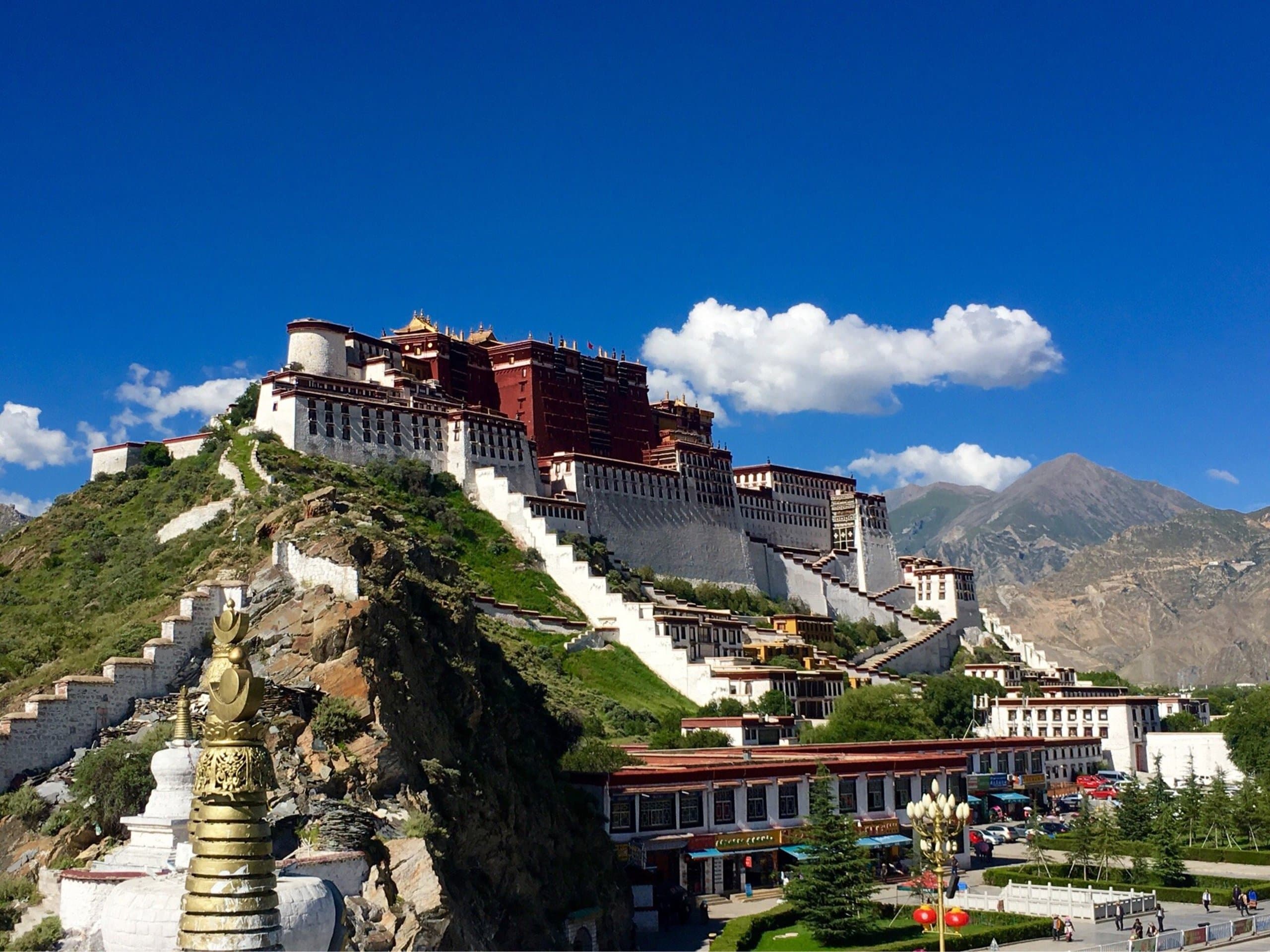
The Potala Palace is a UNESCO World Heritage site and former winter residence of the Dalai Lama. This massive stone structure rises 13 stories above Lhasa, containing over 1,000 rooms, chapels, and tombs. Visitors climb steep staircases to explore ornate halls filled with religious artifacts, murals, and statues. Due to the high altitude and extensive walking, a slow pace is essential. Tickets are limited and must be booked in advance through a tour agency; entry costs around 200 CNY in peak season. Morning visits are recommended to avoid crowds and afternoon heat.
Potala Palace
Why Visit
As the symbol of Tibetan Buddhism and Lhasa's most famous landmark, the Potala Palace offers unparalleled insight into Tibetan history and religious art. The architecture alone, built into the side of a mountain, is awe-inspiring. For couples, the panoramic views of Lhasa from the upper terraces create memorable moments. It's a must-see for understanding the cultural and spiritual significance of the region.
Book tickets at least one day in advance through your hotel or a local tour operator, as walk-up tickets are rarely available. Wear comfortable shoes for the many stairs. Address: 35 Beijing Middle Road, Lhasa.

2
Monastic Life and Local Markets
Day 2 of your journey
3
Cultural Depths and Culinary Exploration
Day 3 of your journey
4
Local Flavors and Leisurely Farewell
Day 4 of your journey
Before You Go
Essential Travel Tips
Acclimatize to the high altitude by taking it easy the first day; drink plenty of water and avoid alcohol initially.
Foreign travelers need a Tibet Travel Permit, arranged through a tour agency before arrival; independent travel is restricted.
Use cash (Chinese Yuan) as many small shops and restaurants do not accept credit cards; ATMs are available in central Lhasa.
Dress modestly when visiting monasteries, covering shoulders and knees; remove hats and shoes where required.
Respect local customs: walk clockwise around religious sites, avoid pointing at statues, and ask before photographing people.
Taxis are affordable for short trips within the city; agree on a price beforehand or ensure the meter is used.
Stay hydrated and protect against strong sun with sunscreen, hats, and sunglasses due to high UV levels.
Learn a few Tibetan phrases like 'Tashi delek' (hello) to show respect and enhance interactions with locals.
When to Go
Best Time to Visit
The best time to visit Lhasa is from April to October, when weather is most favorable. April to June brings mild temperatures (5-20°C) and fewer tourists, with blooming flowers. July and August are warmest (10-25°C) but also peak tourist season, with more crowds and occasional rain. September to October offers clear skies, comfortable temperatures, and autumn colors, ideal for sightseeing. Winter (November to March) is cold (below freezing at night) and some sites may have reduced hours, but it's less crowded. Avoid July-August if you prefer quieter visits, though all months require warm layers due to temperature swings.
Local Insights & Tips
Lhasa is a city deeply rooted in Tibetan Buddhism, where religious practice shapes daily life. Pilgrims from across Tibet come to circumambulate sacred sites like Jokhang Temple, creating a reverent atmosphere. Locals are generally reserved but hospitable; a smile and respectful demeanor go a long way. The city center is compact, with most attractions within walking distance, but the high altitude (3,650 meters) means pace yourself to avoid altitude sickness. Tibetan cuisine features hearty dishes like thukpa and momos, often enjoyed with butter tea. Bargaining is common in markets, but do so politely. Note that political sensitivities exist; avoid discussions on controversial topics. Embrace the slow rhythm and spiritual focus to fully appreciate Lhasa's unique character.