4 DaysChina
Lanxi
Your 4-day travel guide
The ideal time to visit Lanxi is during spring (April to May) or autumn (September to October). Spring offers mild tempe...
Lanxi•4D•All
Lanxi, China
Duration:4 Days
Activities:12
Best for:All travelers
Ancient Temples and River Town Flavors
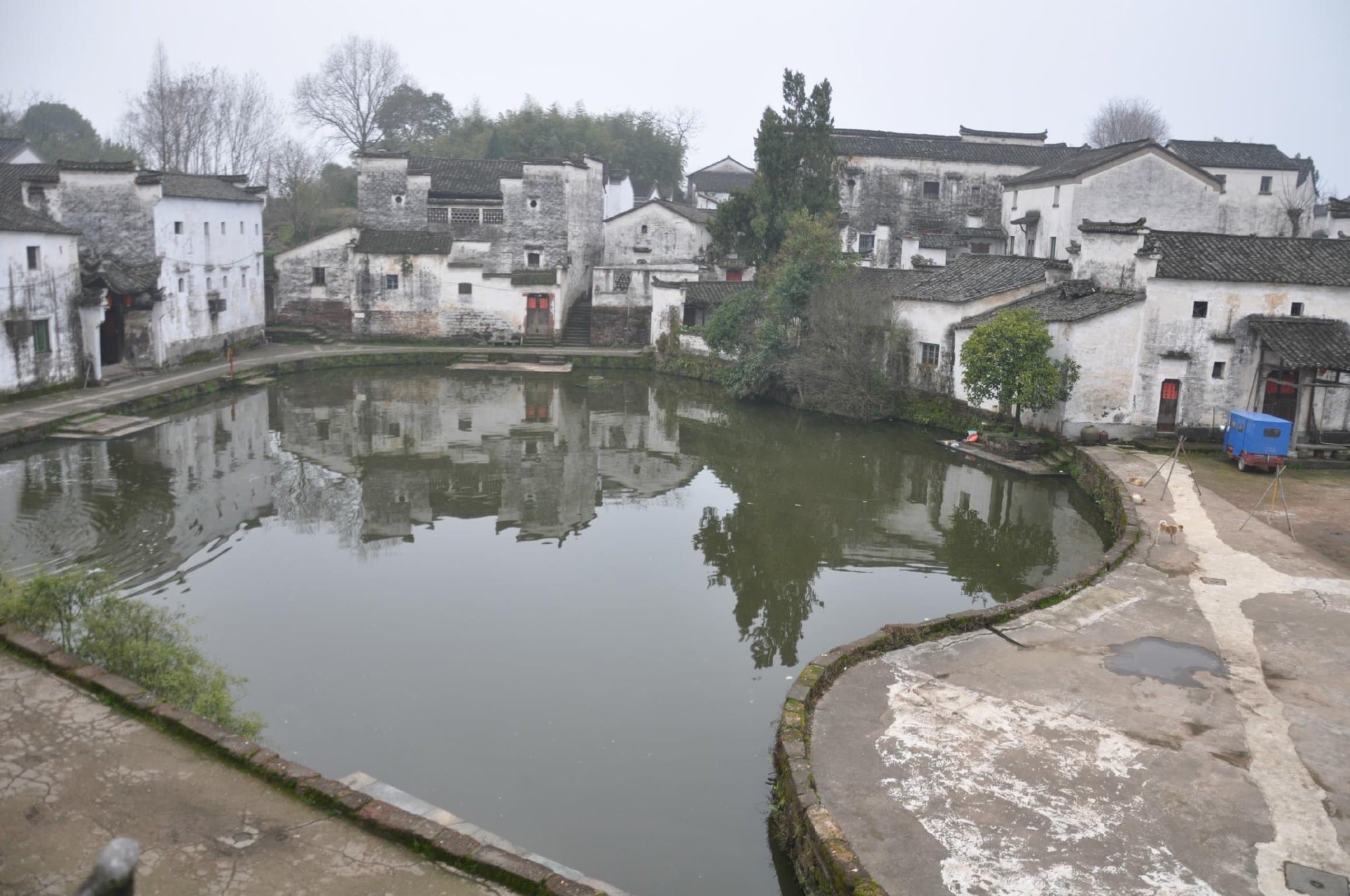
Lanxi is a historic city in Zhejiang Province, China, known for its rich cultural heritage centered around the Lan River. As a county-level city under Jinhua, it offers a more authentic, less-touristy experience compared to major Chinese destinations. The city's character is defined by its connection to water, with the Lan River shaping its history and daily life. Visitors will find well-preserved ancient architecture, traditional markets, and a distinctive local cuisine that reflects its agricultural surroundings. This itinerary focuses on the genuine cultural and culinary experiences that make Lanxi a rewarding destination for travelers seeking depth beyond typical tourist routes.
Get Real Local Advice
Ask someone who actually lives in Lanxi
1
Cultural Heritage and Riverfront Discovery
Day 1 of your journey
Lanxi Ancient Street is a well-preserved historical district showcasing traditional Ming and Qing dynasty architecture. Visitors walk along stone-paved lanes lined with wooden shop houses, some dating back centuries. You'll see local artisans at work, traditional tea houses, and small museums documenting the city's history. The street comes alive in the morning when shops open and locals go about their daily routines. Plan for about two hours to explore at a leisurely pace, stopping to appreciate architectural details and occasional cultural performances.
Lanxi Ancient Street
Why Visit
This street offers the most concentrated display of Lanxi's architectural heritage and traditional urban layout. As the historical commercial center, it provides insight into how the city developed along the river trade routes. The preservation efforts have maintained an authentic atmosphere where history feels present rather than staged for tourism.
Visit the small folk museum halfway down the street—it's free and provides excellent context about Lanxi's development. Address: Along the main pedestrian street in central Lanxi.

2
Temple Exploration and Local Markets
Day 2 of your journey
3
Culinary Exploration and Traditional Crafts
Day 3 of your journey
4
Local Neighborhoods and Farewell Experiences
Day 4 of your journey
Before You Go
Essential Travel Tips
Public transportation within Lanxi is limited—taxis and ride-hailing apps like Didi are most practical for getting around
Cash is still widely used, especially at markets and smaller establishments—have Chinese yuan available
Basic Mandarin phrases are helpful as English is not widely spoken outside major hotels
Lanxi is generally safe, but be cautious with personal belongings in crowded markets
Respect temple etiquette: dress modestly, speak quietly, and follow any photography restrictions
Try to visit attractions in the morning to avoid potential afternoon crowds from tour groups
Many restaurants don't have English menus—using translation apps or pointing at what others are eating can help
Tipping is not expected in China—exceptional service might warrant a small tip but it's not customary
When to Go
Best Time to Visit
The ideal time to visit Lanxi is during spring (April to May) or autumn (September to October). Spring offers mild temperatures, blooming flowers, and comfortable conditions for walking and outdoor activities. Autumn provides clear skies, pleasant temperatures, and beautiful foliage in the surrounding areas. Summer (June to August) can be hot and humid, though it's when some local festivals occur. Winter (December to February) is cooler with occasional rain, but fewer tourists. Major Chinese holidays like Golden Week in October bring larger crowds, so visiting just before or after these periods is advisable.
Local Insights & Tips
Lanxi maintains strong connections to traditional Chinese culture while adapting to modern development. The city's identity is closely tied to the Lan River, which historically provided transportation, irrigation, and economic opportunity. Local customs reflect this relationship with water, seen in food preferences for river fish and historical boat-building traditions. Residents typically follow standard Chinese etiquette—modest dress at temples, respectful behavior in public spaces, and indirect communication styles. The pace of life is generally slower than in major Chinese cities, with more emphasis on community relationships. When visiting temples or historical sites, observe how locals interact with these spaces to understand their continuing cultural significance.