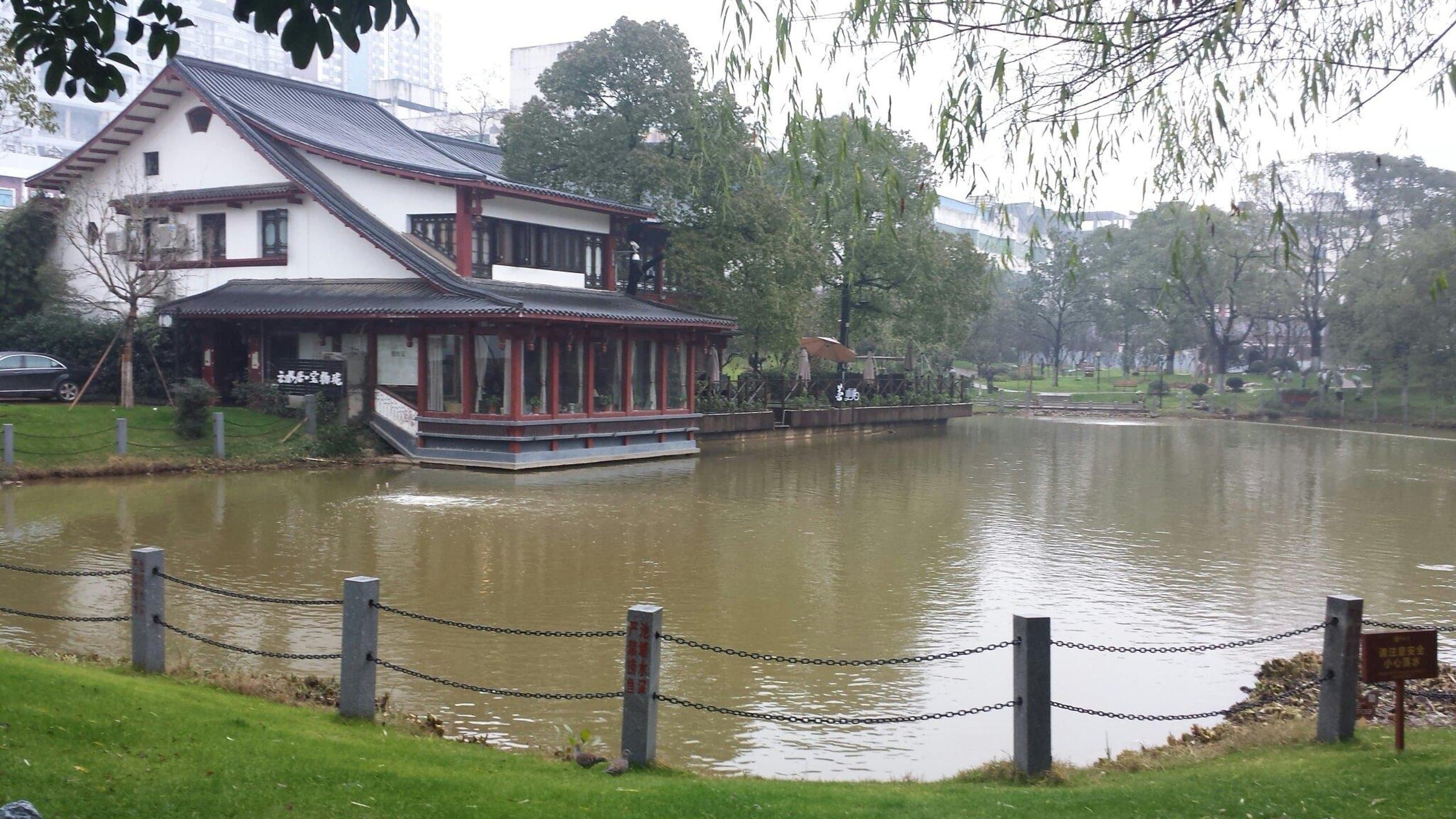
4 DaysChina
Laiyang
Your 4-day travel guide
The optimal time to visit Laiyang is during autumn (September to November) when temperatures are mild (15-25°C), rainfal...
Laiyang•4D•All
Laiyang, China
Duration:4 Days
Activities:12
Best for:All travelers
Ancient Roots and Culinary Traditions in Shandong's Heartland
Laiyang, a county-level city in Shandong Province, offers a genuine glimpse into China's agricultural heritage and traditional culture. Known as the 'Hometown of Chinese Pears' and a key grain-producing area, this destination combines historical sites with authentic local cuisine. While not a major tourist hub, Laiyang provides couples seeking cultural immersion and food experiences with opportunities to explore ancient temples, learn about agricultural traditions, and taste regional specialties in a relaxed setting away from crowded tourist circuits. The city's pace allows for meaningful exploration of Shandong's rural culture.
Get Real Local Advice
Ask someone who actually lives in Laiyang
1
Cultural Heritage and Local History
Day 1 of your journey
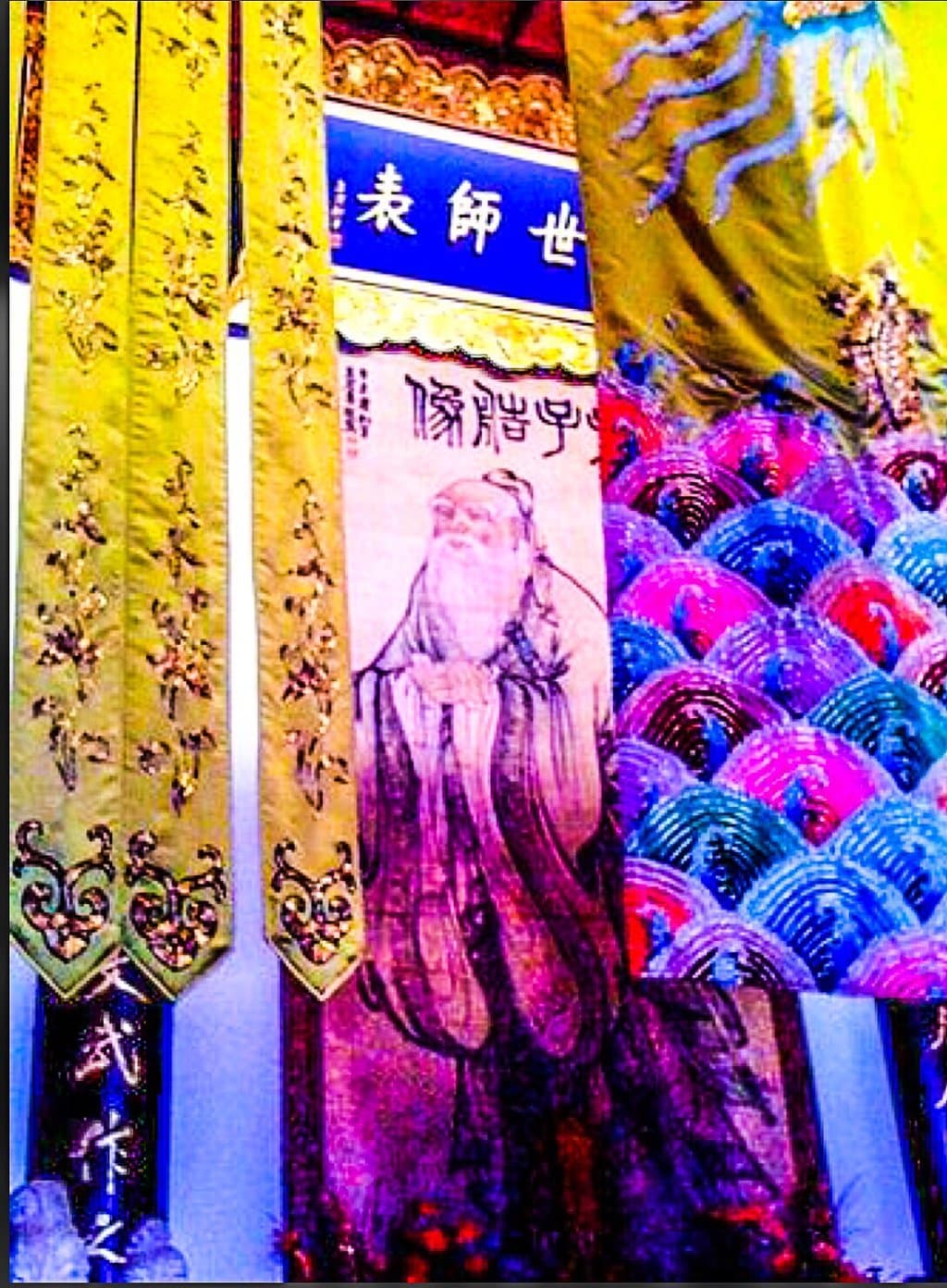
The Laiyang Confucian Temple, also known as Wenmiao, is a historical complex dating back to the Ming Dynasty that served as a center for Confucian learning and imperial examinations. Visitors can explore traditional Chinese architecture with curved roofs, stone carvings, and ancient courtyards. The temple offers insight into China's imperial education system and Confucian traditions. Plan for a quiet morning visit to appreciate the serene atmosphere before crowds arrive. The site typically requires about an hour to fully explore the main halls and surrounding gardens.
Laiyang Confucian Temple
Why Visit
This well-preserved temple provides authentic cultural immersion into China's Confucian heritage, which is particularly significant in Shandong Province, the birthplace of Confucius. For couples interested in history, it offers peaceful courtyards and traditional architecture that create a contemplative atmosphere. The temple represents the educational and philosophical foundations that shaped Chinese society for centuries, making it a meaningful starting point for understanding local culture.
Address: Located in the old town area. Visit on weekdays for fewer visitors. Look for the ancient stone tablets with classical Chinese inscriptions near the main hall, which often go unnoticed by casual visitors.
2
Agricultural Traditions and Local Markets
Day 2 of your journey
3
Temple Exploration and Regional Specialties
Day 3 of your journey
4
Local Life and Culinary Departure
Day 4 of your journey
Before You Go
Essential Travel Tips
Transportation within Laiyang relies primarily on taxis and walking - download DiDi (Chinese ride-hailing app) or have your hotel call taxis
Cash remains essential at markets and smaller restaurants - exchange currency before arrival as foreign exchange services are limited
Basic Mandarin phrases are helpful as English is not widely spoken - learn food-related terms for ordering
Laiyang is generally safe with low crime, but exercise normal precautions with valuables in crowded areas
Public restrooms may require small fees (1-2 RMB) and provide basic facilities - carry tissues
Weather can be extreme - summers are hot/humid, winters cold/dry - pack accordingly with seasonal clothing
Electrical outlets are standard Chinese Type A/I (220V) - bring appropriate adapters
Purchase a local SIM card for reliable internet access as WiFi availability is inconsistent
When to Go
Best Time to Visit
The optimal time to visit Laiyang is during autumn (September to November) when temperatures are mild (15-25°C), rainfall decreases, and the famous pears are in harvest season. Spring (April to May) offers pleasant weather with blooming fruit trees but can be windier. Summer (June to August) brings heat, humidity, and the rainy season, while winter (December to February) is cold with temperatures often below freezing. Autumn provides the best combination of comfortable weather, agricultural activities, and culinary experiences centered around the pear harvest.
Local Insights & Tips
Laiyang's culture reflects its agricultural identity, with values centered on practicality, hard work, and connection to the land. The pace of life is slower than in major Chinese cities, with stronger preservation of traditional customs. Respect for elders and family values remain important in social interactions. When dining, it's customary to share dishes family-style rather than ordering individual meals. Modest clothing is appreciated when visiting temples. Tipping is not expected in restaurants or taxis. The local dialect is a variant of Shandong Mandarin, but standard Mandarin is universally understood. Laiyang residents typically respond warmly to visitors showing genuine interest in local agriculture and food traditions.