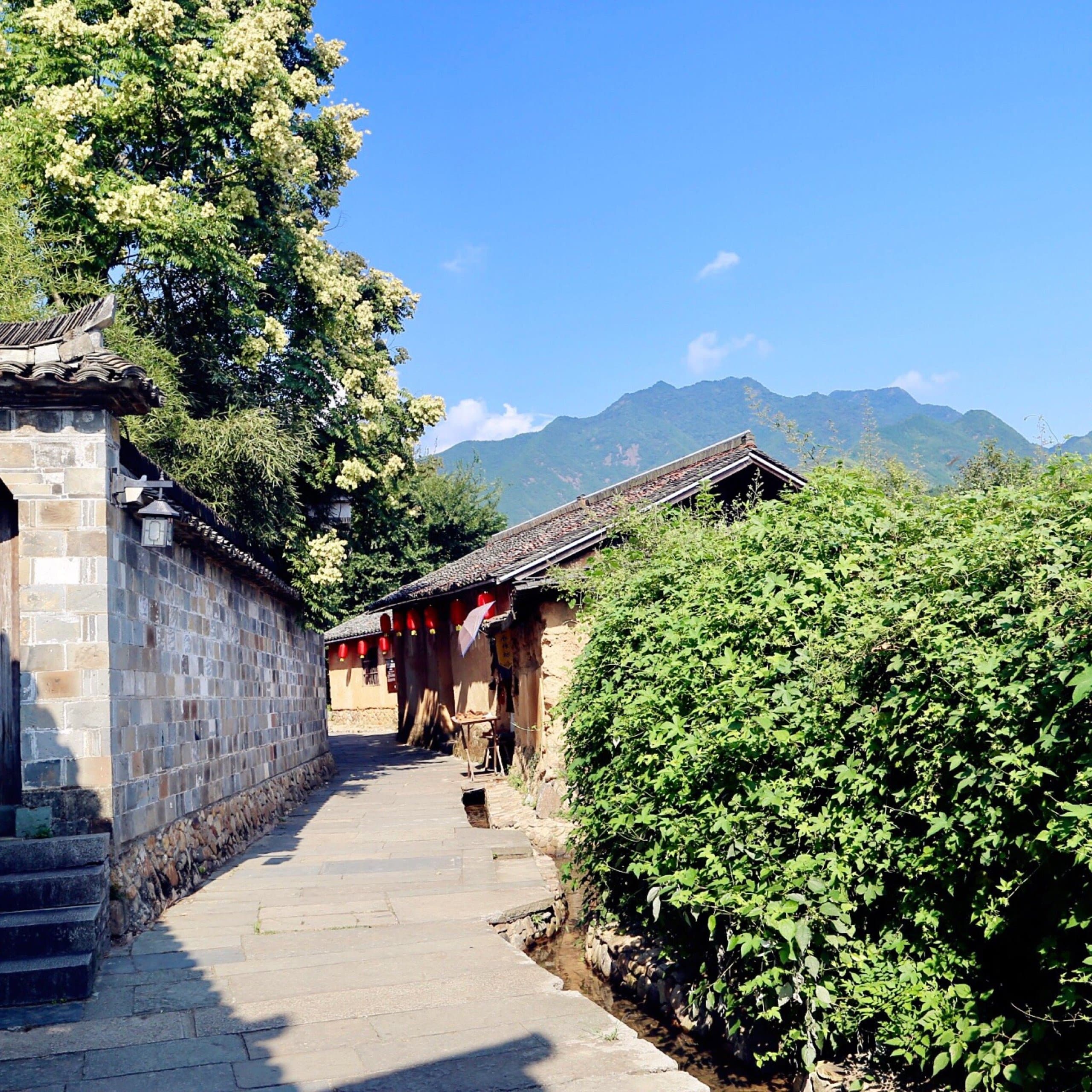
4 DaysChina
Jiangshan
Your 4-day travel guide
The most pleasant times to visit Jiangshan are during spring (April to early June) and autumn (September to October). Sp...
Jiangshan•4D•All
Jiangshan, China
Duration:4 Days
Activities:12
Best for:All travelers
Ancient Trails and Jiangnan Flavors
Jiangshan, a county-level city in Zhejiang province, offers a distinctive blend of natural beauty and cultural heritage. Located in southwestern Zhejiang near the borders with Fujian and Jiangxi provinces, it serves as a gateway to the Jianglang Mountains, part of China's Danxia landform UNESCO World Heritage site. The city itself has a history dating back centuries, with influences from the ancient Jiangnan region. For couples seeking culture and food, Jiangshan provides opportunities to explore unique geological wonders, visit historical sites related to local scholars and revolutionaries, and taste authentic Zhejiang cuisine with Fujian and Jiangxi influences in a more relaxed setting than larger Chinese cities.
Get Real Local Advice
Ask someone who actually lives in Jiangshan
1
Cultural Heritage and Mountain Introduction
Day 1 of your journey
Jianglang Mountain is famous for its three distinct sandstone peaks, known as the 'Three Stones of Jianglang,' which rise dramatically from the surrounding landscape. This Danxia landform is part of a UNESCO World Heritage site. Visitors typically hike well-maintained paths to viewing platforms that offer spectacular vistas of the unusual rock formations and lush greenery. The area has cultural significance with ancient inscriptions and legends. A visit usually takes 3-4 hours, with morning being ideal to avoid afternoon heat and crowds. The cable car can assist with part of the ascent.
Jianglang Mountain Scenic Area
Why Visit
This is the premier natural and cultural landmark of the region, showcasing a unique geological formation recognized by UNESCO. The combination of dramatic natural scenery with historical inscriptions and paths makes it a perfect introduction to Jiangshan's character. For couples, the scenic viewpoints provide memorable photo opportunities and a shared experience of natural wonder.
Wear sturdy walking shoes as paths involve steps and uneven surfaces. Bring water and snacks, though vendors are available at the base. Address: Jianglangshan Town, Jiangshan City. The first viewing platform offers the classic photo of all three peaks together.

2
Historical Sites and Local Life
Day 2 of your journey
3
Ancient Village and Scenic Valley
Day 3 of your journey
4
Local Markets and Culinary Discovery
Day 4 of your journey
Before You Go
Essential Travel Tips
Transport: Taxis and ride-hailing apps like Didi are the most convenient way to get around Jiangshan city. For sites like Jianglang Mountain or Shixia Village, you'll need to hire a taxi for the day or arrange a private car, as public bus routes can be infrequent and challenging for non-Mandarin speakers.
Currency: Use Chinese Yuan (CNY/RMB). Credit cards are accepted in some hotels and larger restaurants, but cash is essential for markets, small eateries, taxis, and entrance fees. Have smaller bills on hand.
Language: Mandarin is the primary language. English is not widely spoken outside major hotels. Learn a few basic phrases or use a translation app. Having your hotel write down key destinations in Chinese characters is very helpful for taxi drivers.
Accommodation: Stay in a hotel in central Jiangshan city for easiest access to restaurants and transport. Options range from international chains to local business hotels, which are generally clean and comfortable for couples.
Food Safety: The food is generally safe. Eat at places that look busy with locals. For tap water, always drink bottled or boiled water.
Cultural Etiquette: Be respectful at temples and historical sites. A slight nod is a polite greeting. When paying, it's common to hand money and receive change with both hands as a sign of respect, though not strictly required.
Connectivity: Purchase a local SIM card or ensure your international roaming works. Free Wi-Fi is available in most hotels and some cafes, but a data plan is useful for navigation and translation on the go.
Pacing: The itinerary is designed for a relaxed pace suitable for a couple. Allow time for transit between locations, especially when going to sites outside the immediate city center.
When to Go
Best Time to Visit
The most pleasant times to visit Jiangshan are during spring (April to early June) and autumn (September to October). Spring offers mild temperatures, blooming flowers, and green landscapes, ideal for hiking at Jianglang Mountain. Autumn provides clear, comfortable weather and is excellent for outdoor activities. Summers (July-August) can be hot, humid, and rainy, which might make hiking less comfortable. Winters (December-February) are chilly and damp, with some attractions possibly less vibrant, though you'll encounter fewer tourists. Avoid major Chinese public holidays like National Day (early October) and Spring Festival (late January/February) for smaller crowds.
Local Insights & Tips
Jiangshan is part of the broader Jiangnan cultural region, known for its history, scholarship, and refined aesthetics. Locals take pride in their natural landmarks like Jianglang Mountain and local products like the white goose. The pace of life is generally slower than in mega-cities like Shanghai or Hangzhou. People are friendly but may be reserved with foreigners due to less frequent international tourism. Meals are important social times; sharing dishes is the norm. When visiting someone's home or a temple, it's polite to bring a small gift or make a donation. The city serves as a practical base for exploring the surrounding countryside, which is considered its main attraction. Respect for elders and teachers is deeply ingrained in the culture.