4 DaysChina
Hegang
Your 4-day travel guide
The best time to visit Hegang is from May to September when temperatures are milder and more comfortable for exploration...
Hegang•4D•All
Hegang, China
Duration:4 Days
Activities:12
Best for:All travelers
Coal Heritage and Northeastern Flavors
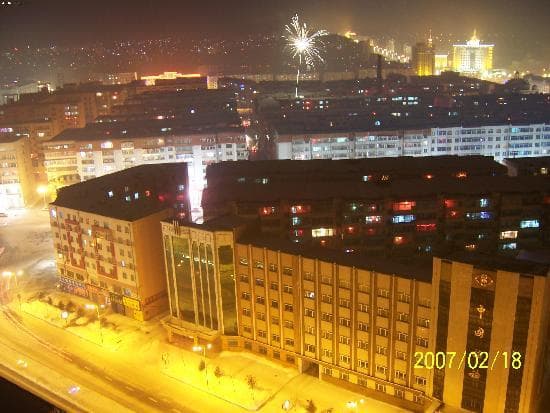
Hegang, located in Heilongjiang Province, is a city with a rich industrial history rooted in coal mining. While not a typical tourist destination, it offers authentic insights into China's industrial development and Northeastern culture. For couples interested in culture and food, Hegang provides opportunities to explore mining heritage sites, experience local life in residential neighborhoods, and savor hearty Northeastern Chinese cuisine. The city's straightforward character and lack of crowds make it ideal for travelers seeking off-the-beaten-path experiences with genuine local interactions.
Get Real Local Advice
Ask someone who actually lives in Hegang
1
Mining Heritage and Local Introduction
Day 1 of your journey
This museum documents Hegang's history as a major coal mining center in Northeast China. Visitors will see exhibits on mining technology, geological formations, and the lives of miners through historical photographs and equipment displays. The collection provides context about the city's industrial development. Plan for about 1.5 hours to view the main exhibits, which are well-labeled in Chinese with some English explanations. The museum is rarely crowded, allowing for leisurely exploration.
Hegang Mining Museum
Why Visit
The museum offers essential background about Hegang's identity as a mining city, helping visitors understand the local economy and culture. For couples interested in industrial history, it provides a meaningful starting point to appreciate how mining shaped this community. The exhibits are informative without being overwhelming.
Address: Located in the city center area. Check opening hours in advance as they can vary seasonally. The staff may not speak English, but exhibits have basic English labels.

2
Cultural Sites and Local Markets
Day 2 of your journey
3
Local Neighborhoods and Evening Dining
Day 3 of your journey
4
Regional Specialties and Departure Preparation
Day 4 of your journey
Before You Go
Essential Travel Tips
Hegang has limited English signage, so having a translation app or phrasebook is helpful for navigation and dining.
Public transportation consists mainly of buses; taxis are available but not always easy to hail on the street.
Cash is preferred at smaller restaurants and markets, though larger establishments may accept mobile payments like WeChat Pay or Alipay.
Weather can be cold, especially October to April; pack accordingly even in summer as evenings can be cool.
Hegang is not a tourist-oriented city, so adjust expectations accordingly and appreciate its authentic character.
Restaurants typically serve meals during standard Chinese meal times (lunch around 11:30-13:30, dinner 17:30-20:00).
Accommodation options are limited to basic hotels; book in advance during peak travel periods like Chinese holidays.
Be respectful when photographing people or residential areas; ask permission when possible.
When to Go
Best Time to Visit
The best time to visit Hegang is from May to September when temperatures are milder and more comfortable for exploration. Summer months (June-August) offer the warmest weather, with average highs around 25°C (77°F), though occasional rain occurs. Spring (May) and early autumn (September) provide pleasant conditions with fewer extremes. Winters (November-March) are very cold with temperatures often below freezing, sometimes dropping to -20°C (-4°F) or lower, which can limit outdoor activities. Hegang doesn't have distinct tourist seasons due to its limited tourism, so crowds are rarely an issue regardless of when you visit.
Local Insights & Tips
Hegang's culture reflects its history as a mining city and its location in Northeast China. Residents tend to be straightforward and practical, with lifestyles shaped by the region's industrial heritage. The pace of life is generally slower than in major Chinese cities. Dining culture emphasizes hearty, substantial meals suited to the climate, with shared dishes being common. While not particularly traditional in the historical sense, Hegang maintains regional customs from Heilongjiang Province. Visitors should approach interactions with respect for local norms; while not formal, directness is valued. The city shows China's industrial development and regional identity beyond the well-known tourist destinations.