4 DaysChina
Guangshui
Your 4-day travel guide
Spring (April to May) and autumn (September to October) offer the most comfortable weather for exploring Guangshui. Spri...
Guangshui•4D•All
Guangshui, China
Duration:4 Days
Activities:12
Best for:All travelers
Ancient Temples and Hubei Flavors
Guangshui, a county-level city in Hubei Province, offers a quiet escape into China's cultural heartland. Known for its historical sites and agricultural heritage, this destination provides an authentic glimpse into local life away from major tourist crowds. The city blends traditional architecture with modern development, featuring temples, museums, and markets that showcase its rich past. For couples seeking cultural immersion and culinary discovery, Guangshui presents opportunities to explore ancient relics, sample regional Hubei cuisine, and experience the daily rhythms of a Chinese city that values its traditions while embracing contemporary growth.
Get Real Local Advice
Ask someone who actually lives in Guangshui
1
Cultural Heritage and Historical Exploration
Day 1 of your journey
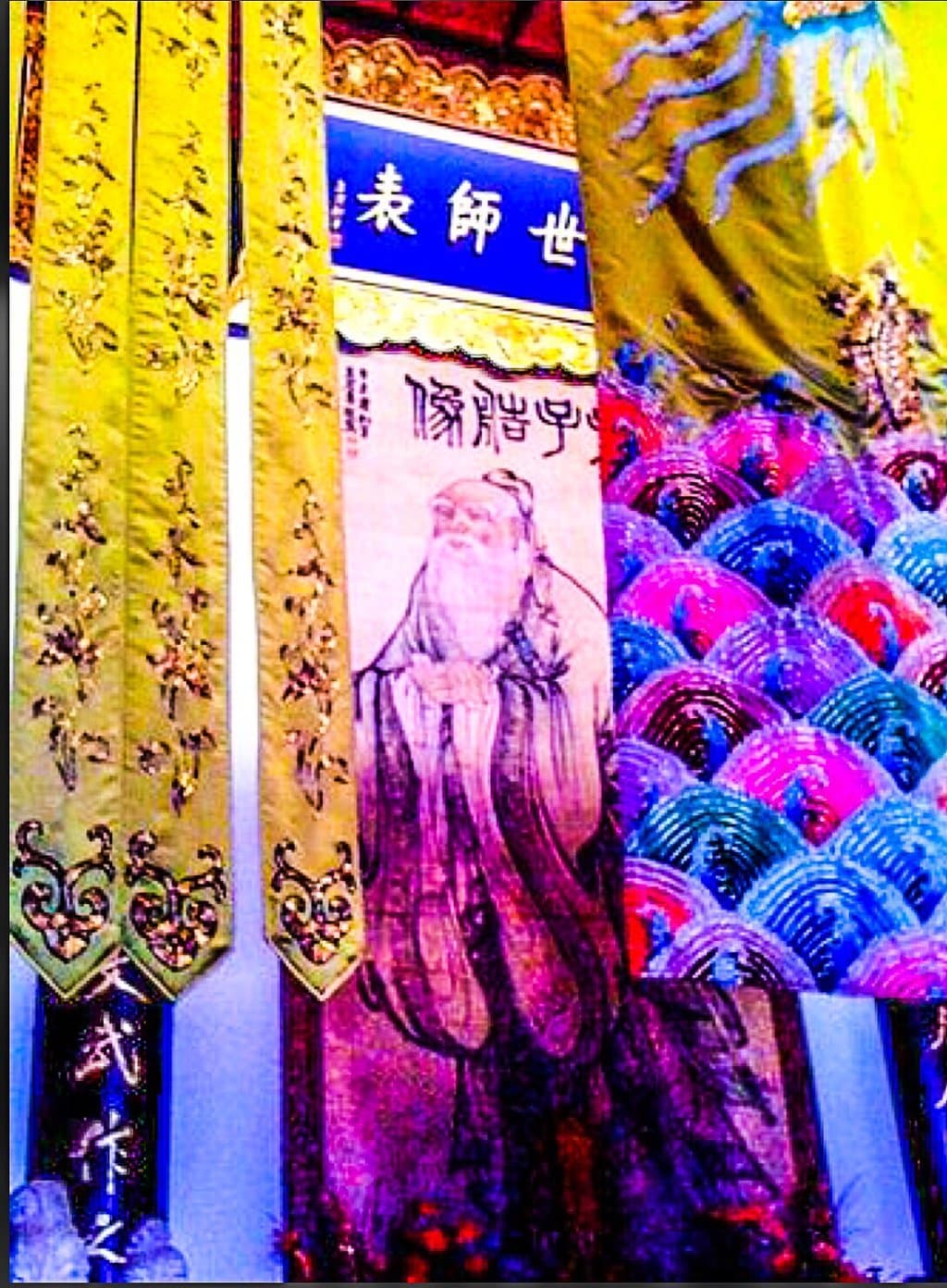
This well-preserved temple dates back to the Ming Dynasty and serves as a center for Confucian worship and education. Visitors can explore traditional Chinese architecture with curved roofs, stone carvings, and courtyards. The temple houses historical artifacts and offers insight into local scholarly traditions. Plan to spend about 2 hours here, with mornings being less crowded. The peaceful atmosphere makes it ideal for quiet contemplation and photography of classical structures.
Guangshui Confucian Temple
Why Visit
This temple represents Guangshui's historical commitment to education and Confucian values, offering authentic Ming Dynasty architecture rarely found in modern Chinese cities. Couples can appreciate the serene environment and detailed craftsmanship together, providing cultural context for their trip.
Look for the stone tablets with classical inscriptions near the main hall. Address: In the old town area of Guangshui city center.
2
Local Markets and Traditional Crafts
Day 2 of your journey
3
Architectural Heritage and Local Parks
Day 3 of your journey
4
Cultural Synthesis and Departure Preparation
Day 4 of your journey
Before You Go
Essential Travel Tips
Use Didi or local taxis for transportation between sites, as public buses may have limited English information.
Carry small bills in Chinese Yuan for market purchases and street food vendors who may not accept digital payments from foreigners.
Learn basic Mandarin phrases like 'nihao' (hello) and 'xiexie' (thank you) as English proficiency varies.
Dress modestly when visiting temples, covering shoulders and knees as a sign of respect.
Download translation apps like Pleco or Google Translate for menu and sign interpretation.
Check restaurant hours as some smaller establishments may close between traditional meal times.
Carry bottled water as tap water is not recommended for drinking.
Have your hotel write destinations in Chinese characters to show taxi drivers.
When to Go
Best Time to Visit
Spring (April to May) and autumn (September to October) offer the most comfortable weather for exploring Guangshui. Spring brings mild temperatures around 15-25°C (59-77°F) with blooming vegetation in parks. Autumn provides similar pleasant conditions with less rainfall than summer. Summer (June to August) can be hot and humid, reaching 30°C (86°F) or higher, though indoor attractions remain accessible. Winter (December to February) is cold with temperatures sometimes dropping below freezing, but fewer tourists visit during this period. Major Chinese holidays like Golden Week in October bring larger domestic crowds.
Local Insights & Tips
Guangshui maintains traditional Chinese customs with emphasis on family and community values. Residents typically follow Confucian principles of respect and harmony in social interactions. When dining, sharing dishes family-style is common, with hosts often ordering more food than guests can eat as a sign of hospitality. Tea culture is significant, with tea offered to guests as a welcoming gesture. The pace of life is generally slower than in major Chinese cities, with afternoon rest periods observed by some businesses. While modernization has arrived, many older residents maintain traditional lifestyles, creating interesting cultural contrasts within the city.