4 DaysChina
Gaizhou
Your 4-day travel guide
The best time to visit Gaizhou is during spring (April to May) and autumn (September to October) when temperatures are m...
Gaizhou•4D•All
Gaizhou, China
Duration:4 Days
Activities:12
Best for:All travelers
Ancient Temples and Liaoning Flavors
Gaizhou, a historic city in Liaoning Province, offers a journey through China's northeastern culture and cuisine. Known for its well-preserved ancient architecture and local culinary traditions, this city provides an authentic experience away from major tourist crowds. As a county-level city with deep historical roots, Gaizhou showcases traditional Chinese urban planning with temples, city walls, and local markets that reflect its significance in the region's development. The city's compact size makes it ideal for exploring on foot, allowing visitors to immerse themselves in local life while discovering cultural landmarks and sampling distinctive Liaoning dishes.
Get Real Local Advice
Ask someone who actually lives in Gaizhou
1
Cultural Heritage Discovery
Day 1 of your journey
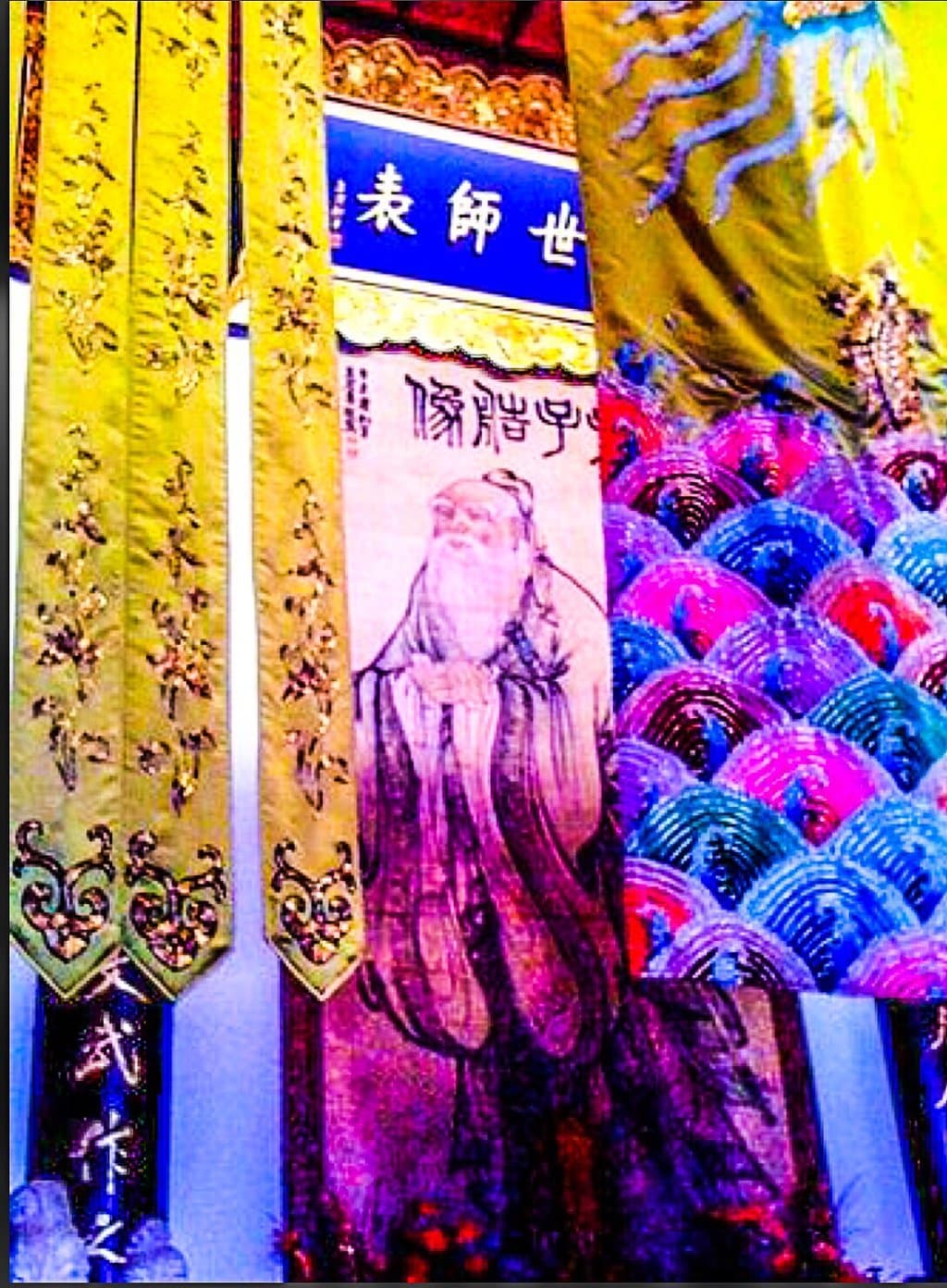
The Gaizhou Confucian Temple is a well-preserved historical site dating back to the Ming Dynasty, serving as both a place of worship and education. Visitors can admire traditional Chinese temple architecture with intricate wood carvings and stone tablets. The temple complex includes main halls, courtyards, and educational displays about Confucian philosophy. Plan to spend about 2 hours exploring the grounds, with mornings offering the best light for photography and fewer visitors. The temple provides insight into China's imperial examination system and local scholarly traditions.
Gaizhou Confucian Temple
Why Visit
This temple represents one of Gaizhou's most significant historical landmarks, showcasing Ming Dynasty architecture and Confucian cultural heritage. It offers couples a peaceful environment to appreciate traditional Chinese design and philosophy together. The site's preservation quality makes it exceptional for understanding northeastern China's historical development beyond major metropolitan areas.
Look for the stone tablets with inscriptions from different dynasties near the main hall. Address: Wenmiao Street, Gaizhou City. Visit on weekdays to avoid local student groups that sometimes visit for educational tours.
2
Architectural and Culinary Exploration
Day 2 of your journey
3
Temple Complexes and Local Crafts
Day 3 of your journey
4
Local Parks and Culinary Specialties
Day 4 of your journey
Before You Go
Essential Travel Tips
Use taxis for transportation within Gaizhou as public buses have limited routes and schedules
Carry cash (Chinese Yuan) as smaller establishments may not accept credit cards
Learn basic Mandarin phrases as English is not widely spoken outside major hotels
Dress modestly when visiting temples and religious sites
Download translation apps for better communication with locals
Check restaurant opening hours as some close between lunch and dinner service
Carry tissues as public restrooms may not provide toilet paper
Be prepared for limited English signage at historical sites
When to Go
Best Time to Visit
The best time to visit Gaizhou is during spring (April to May) and autumn (September to October) when temperatures are mild and comfortable for outdoor exploration. Spring offers pleasant weather with blooming plants in parks and gardens. Autumn provides clear skies and comfortable temperatures ideal for walking tours. Summer (June to August) can be hot and humid, though this is when local festivals may occur. Winter (November to March) is cold with potential snowfall, which can limit outdoor activities but offers a different perspective on the city. Major Chinese holidays like Golden Week in October bring more domestic tourists.
Local Insights & Tips
Gaizhou maintains traditional northeastern Chinese customs with emphasis on family, food, and community. The city has a slower pace than major metropolitan areas, with residents often engaging in morning exercises in parks and socializing in local markets. Dining is an important social activity, with meals often served family-style for sharing. When visiting temples, observe proper etiquette by speaking quietly and dressing modestly. The local dialect has northeastern characteristics but standard Mandarin is widely understood. Gaizhou residents are generally friendly to visitors but may be reserved initially. The city's compact size means many residents know each other, creating a close-knit community atmosphere.