4 DaysChina
Anqiu
Your 4-day travel guide
The best time to visit Anqiu is during spring (April to June) and autumn (September to October), when temperatures are m...
Anqiu•4D•All
Anqiu, China
Duration:4 Days
Activities:12
Best for:All travelers
Ancient Temples and Shandong Flavors
Anqiu, a county-level city in Shandong Province, offers a blend of historical depth and authentic culinary experiences. Known for its agricultural heritage and traditional crafts, this destination provides a quieter alternative to bustling urban centers. Visitors will discover well-preserved temples, local markets, and family-run restaurants serving regional specialties. The city's manageable size makes it ideal for couples seeking cultural immersion without overwhelming crowds. Anqiu's charm lies in its genuine local character and accessibility to both historical sites and rural landscapes nearby.
Get Real Local Advice
Ask someone who actually lives in Anqiu
1
Cultural Heritage and Temple Exploration
Day 1 of your journey
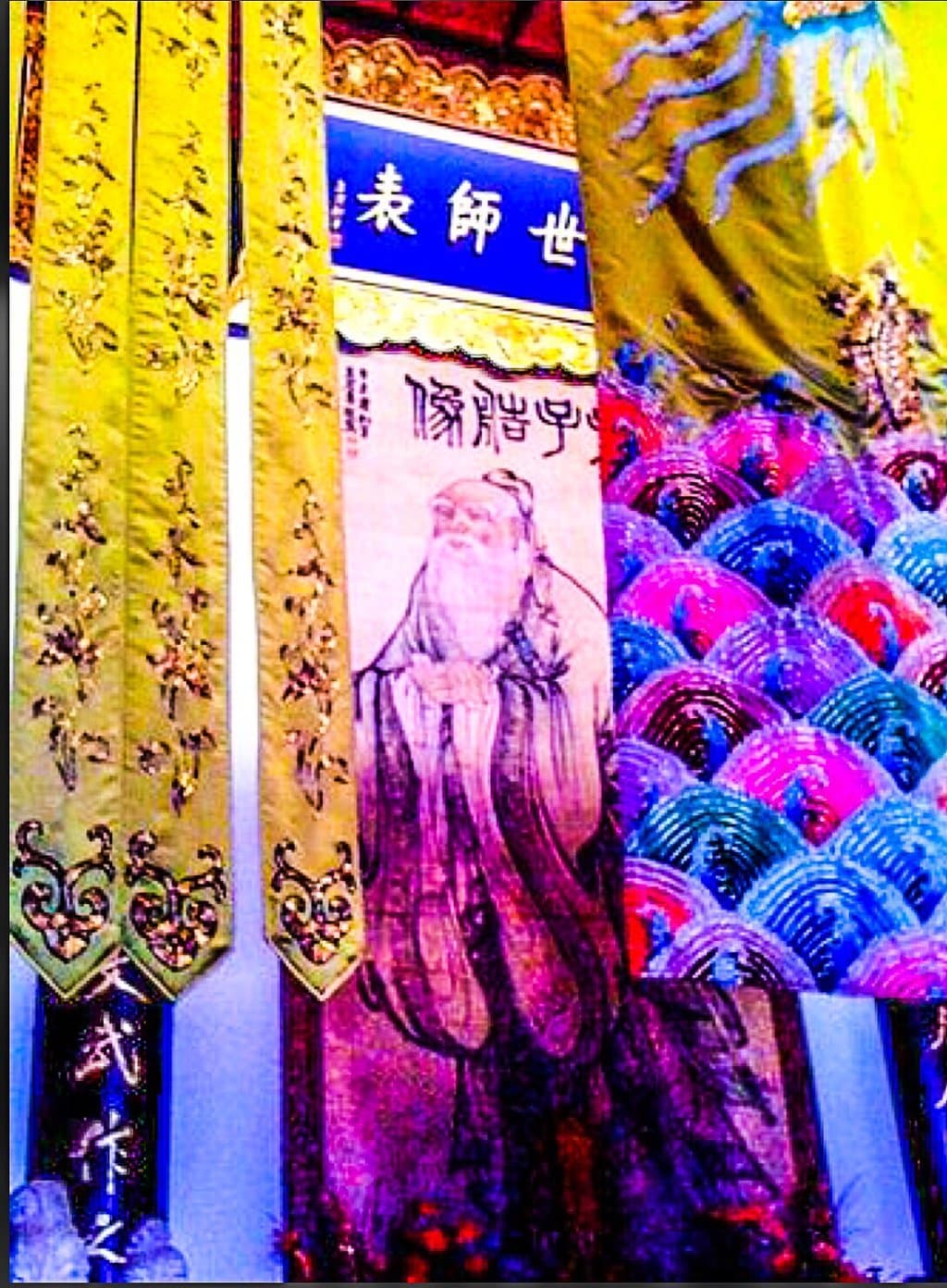
The Anqiu Confucian Temple is a significant historical site dedicated to Confucius, reflecting traditional Chinese architecture and cultural values. Visitors can explore the main hall, courtyards, and stone tablets, learning about Confucian philosophy and local history. The temple offers a peaceful atmosphere, ideal for quiet reflection. Plan to spend about 2 hours here, with mornings being less crowded. The site provides insight into Shandong's role as Confucius's homeland and Anqiu's historical importance.
Anqiu Confucian Temple
Why Visit
This temple is a key cultural landmark in Anqiu, showcasing traditional Chinese architecture and Confucian heritage. It offers couples a serene setting to appreciate history and philosophy together, with well-preserved structures and informative displays. The site highlights Anqiu's connection to broader Shandong culture, making it a meaningful start to understanding the region.
Address: Located in the old town area. Wear comfortable shoes for walking on uneven stone paths. Check if any cultural events or ceremonies are scheduled during your visit.
2
Historical Sites and Scenic Views
Day 2 of your journey
3
Culinary Exploration and Local Experiences
Day 3 of your journey
4
Relaxation and Local Arts
Day 4 of your journey
Before You Go
Essential Travel Tips
Use local buses or taxis for transportation within Anqiu, as the city is compact and walkable in central areas.
Carry cash (Chinese Yuan) as smaller establishments may not accept credit cards.
Learn basic Mandarin phrases like 'ni hao' (hello) and 'xie xie' (thank you) for better interactions.
Dress modestly when visiting temples, covering shoulders and knees as a sign of respect.
Check weather forecasts, as Shandong can have hot summers and cold winters; pack accordingly.
Be cautious with street food by choosing busy stalls to ensure freshness.
Use apps like Baidu Maps for navigation, as Google Maps may have limited functionality in China.
Reserve restaurants in advance during weekends or holidays to avoid long waits.
When to Go
Best Time to Visit
The best time to visit Anqiu is during spring (April to June) and autumn (September to October), when temperatures are mild and comfortable for outdoor activities. Spring offers blooming flowers and pleasant weather, while autumn provides clear skies and cooler temperatures. Summers (July to August) can be hot and humid, with occasional rain, making sightseeing less ideal. Winters (December to February) are cold and dry, with temperatures often dropping below freezing, which may limit outdoor exploration. Tourist crowds are generally smaller year-round compared to major cities, but spring and autumn see more favorable conditions.
Local Insights & Tips
Anqiu is part of Shandong Province, known for its Confucian heritage and agricultural economy. Locals value hospitality and traditional customs, so showing respect in temples and during meals is appreciated. The city has a slower pace of life compared to larger urban centers, with an emphasis on family and community. When dining, it's common to share dishes family-style, and tipping is not expected in restaurants. Anqiu's neighborhoods mix old and new, with the old town retaining historical character while newer areas develop with modern amenities. Engaging with locals politely can enhance your experience, as many are proud of their regional culture.