4 DaysBolivia
El Alto
Your 4-day travel guide
The best time to visit El Alto is during the dry season from May to October when days are sunny with clear skies and min...
El Alto•4D•All
El Alto, Bolivia
Duration:4 Days
Activities:12
Best for:All travelers
Culture and Cuisine in Bolivia's High-Altitude City
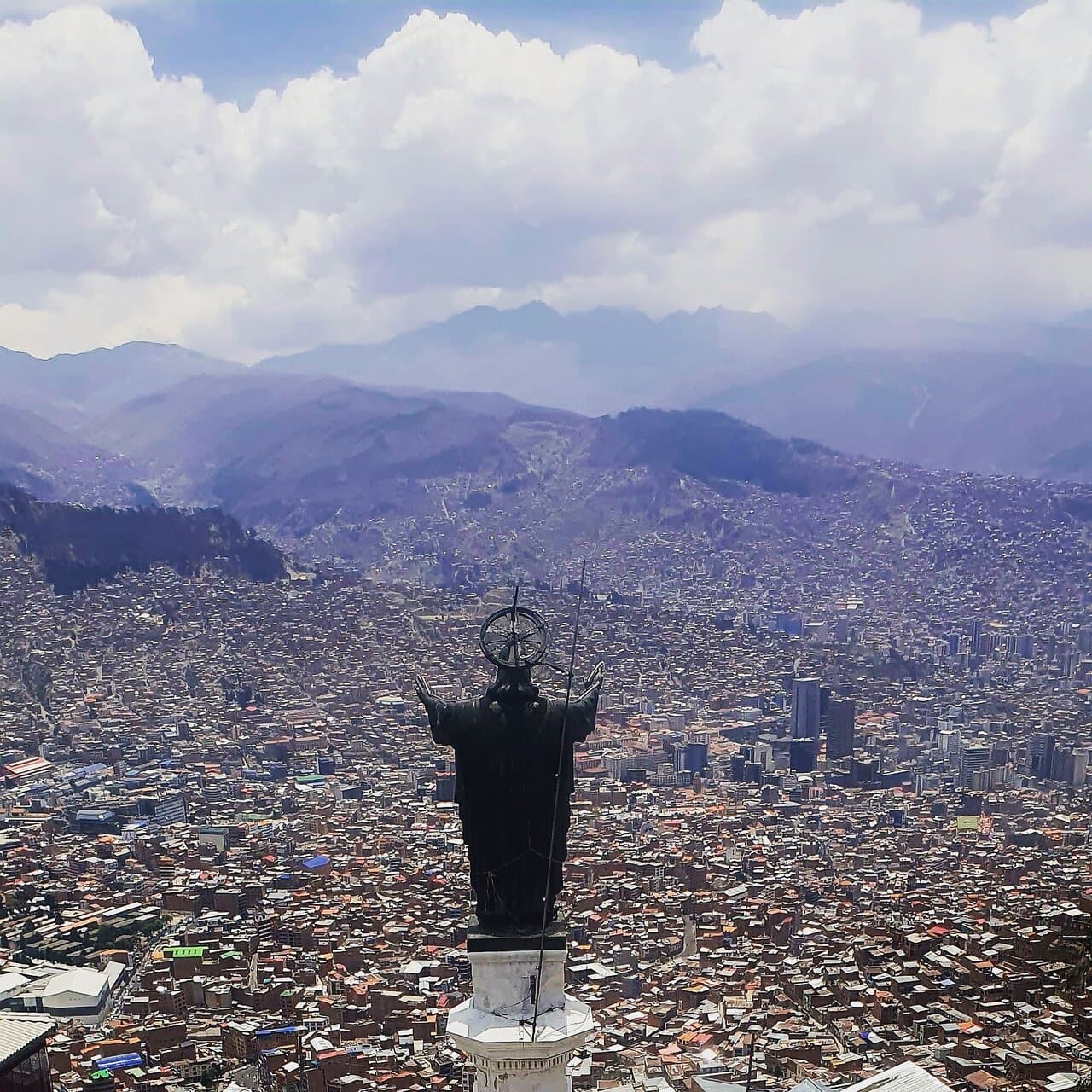
El Alto, Bolivia's second-largest city, sits at over 4,000 meters above sea level on the Altiplano plateau overlooking La Paz. This rapidly growing urban center offers a raw, authentic experience distinct from typical tourist destinations. Known for its massive open-air markets, Aymara culture, and resilient spirit, El Alto provides visitors with a chance to experience contemporary Bolivian life. The city's cable car system offers stunning views while connecting neighborhoods, and its street food scene showcases traditional Andean flavors. For couples interested in culture and food, El Alto delivers an unfiltered look at Bolivia's urban identity.
Get Real Local Advice
Ask someone who actually lives in El Alto
1
Market Culture and Urban Views
Day 1 of your journey
La Ceja is El Alto's commercial heart, a sprawling market area where you can find everything from fresh produce to electronics. This is where locals shop daily, offering an authentic glimpse into daily life. Wander through sections dedicated to textiles, household goods, and traditional foods. The market operates daily, with mornings being the most active time. Expect to spend 2-3 hours exploring the different sections and observing the vibrant commerce. Wear comfortable shoes and be prepared for crowds.
Mercado La Ceja
Why Visit
La Ceja provides the most authentic market experience in El Alto, showcasing how residents live and shop. Unlike tourist markets, this is where locals purchase daily necessities, offering genuine cultural immersion. The variety of goods reflects both traditional Aymara culture and modern urban needs, creating a fascinating contrast. For couples interested in culture, this is an essential experience to understand El Alto's economic and social fabric.
Visit on Thursday or Sunday when the market is largest. Keep valuables secure in crowded areas. Try api morado (purple corn drink) from street vendors for a traditional warm beverage. Address: Avenida Juan Pablo II and surrounding streets.
2
Aymara Culture and Street Food
Day 2 of your journey
3
Modern El Alto and Local Dining
Day 3 of your journey
4
Cultural Synthesis and Farewell
Day 4 of your journey
Before You Go
Essential Travel Tips
El Alto sits at 4,150 meters altitude—acclimate slowly, stay hydrated, and consider altitude medication if prone to sickness
Use the Mi Teleférico cable car for efficient transportation between El Alto and La Paz (3 Bolivianos per segment)
Carry small Boliviano bills for markets, street food, and cable car tickets—many places don't accept large bills or credit cards
Learn basic Spanish phrases as English is not widely spoken outside tourist areas in La Paz
Dress in layers—temperatures change rapidly at high altitude, with cool mornings and warmer afternoons
Keep valuables secure in crowded markets and on public transportation
Drink only bottled or purified water to avoid stomach issues
Respect photography restrictions, especially in markets and at religious or ritual sites
When to Go
Best Time to Visit
The best time to visit El Alto is during the dry season from May to October when days are sunny with clear skies and minimal rainfall. Temperatures are cool but comfortable, typically ranging from 5°C to 18°C (41°F to 64°F). The wet season from November to April brings daily afternoon rains that can make exploration less pleasant. January features the Alasitas festival when miniature offerings are made to Ekeko, adding cultural interest. June has winter solstice celebrations. Avoid February if possible, as it tends to be the wettest month.
Local Insights & Tips
El Alto is predominantly Aymara, with strong indigenous identity expressed through language, dress, and traditions. Many women wear traditional pollera skirts, bowler hats, and aguayo shawls, representing cultural pride. The city has grown rapidly through migration from rural areas, creating a mix of traditional and modern lifestyles. Respect is important—ask before photographing people, especially in traditional dress. Punctuality is flexible ('hora boliviana'). bargaining is expected in markets but be reasonable. Cholitas (indigenous women) hold significant economic and social power in markets. El Alto has a strong sense of community despite its size, with neighborhood organizations playing important roles.