4 DaysBenin
Cotonou
Your 4-day travel guide
The best time to visit Cotonou is during the dry season from November to February, when temperatures are slightly cooler...
Cotonou•4D•All
Cotonou, Benin
Duration:4 Days
Activities:12
Best for:All travelers
Vodun, Voodoo Markets, and Coastal Flavors
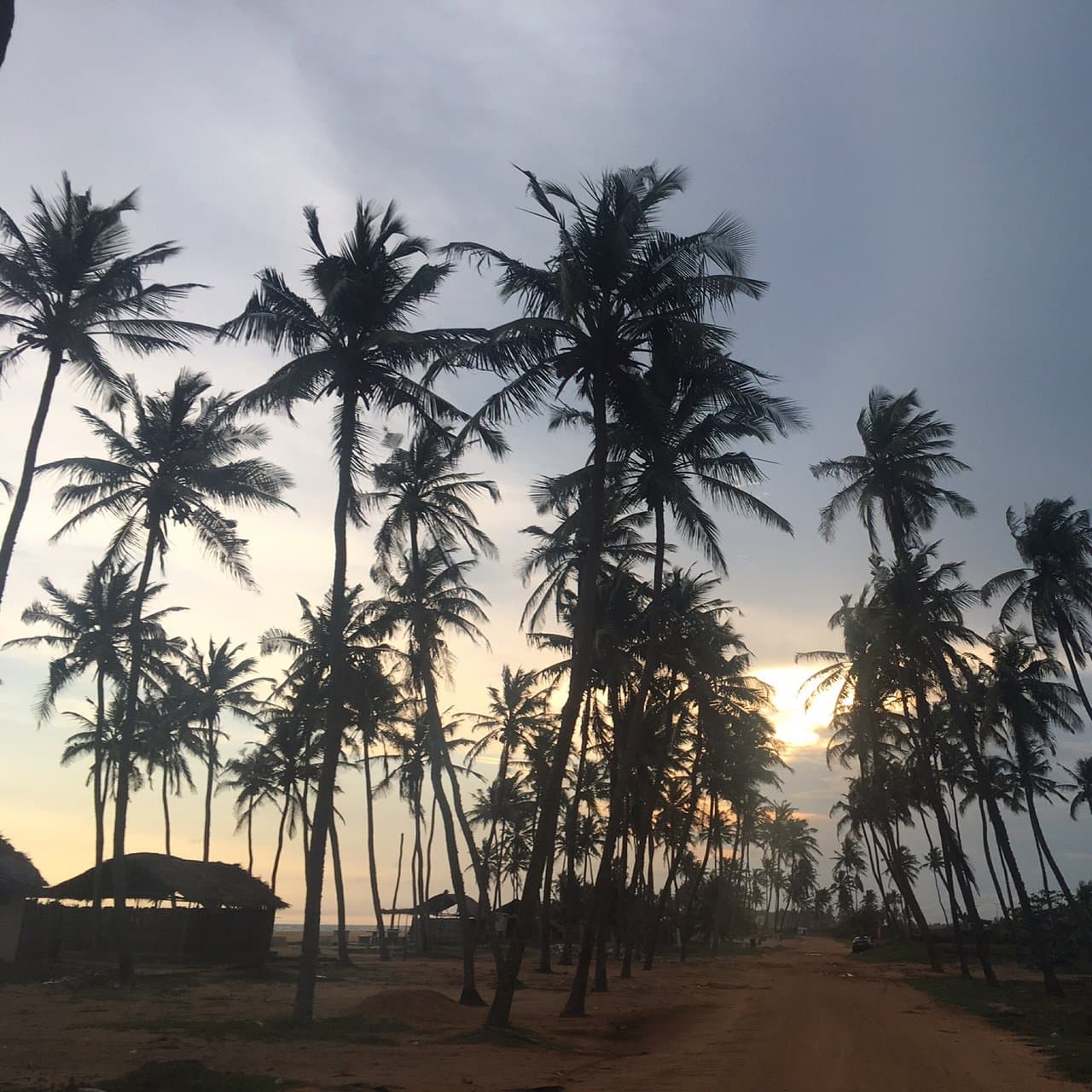
Cotonou, Benin's economic capital, is a city of contrasts where modern commerce meets deep spiritual traditions. Located on the Gulf of Guinea, this coastal city serves as the country's main port and commercial hub. For travelers, Cotonou offers a unique window into West African culture, particularly the Vodun (Voodoo) religion that originated in this region. The city's energy comes from its markets, its connection to the ocean, and its role as a cultural crossroads. While not a typical tourist destination, Cotonou provides authentic experiences for those interested in understanding Benin's history, spirituality, and contemporary life.
Get Real Local Advice
Ask someone who actually lives in Cotonou
1
Cultural Heritage and Spiritual Foundations
Day 1 of your journey
Dantokpa Market is West Africa's largest open-air market and the spiritual heart of Cotonou's Vodun culture. While primarily a commercial hub selling everything from textiles to electronics, its northern section specializes in Vodun artifacts, traditional medicines, and ritual objects. Visitors can see fetishes, carved statues, and ceremonial items used in Vodun practices. The market is most active in the morning, and exploring takes 2-3 hours. Be prepared for crowded conditions and negotiate prices respectfully.
Dantokpa Market (Marché Dantokpa)
Why Visit
This market provides direct access to the material culture of Vodun, a religion that originated in this region and spread throughout the African diaspora. Unlike museums, here you see these objects in their living context, used by practitioners. It's a unique opportunity to understand the daily reality of this spiritual tradition beyond stereotypes.
Address: Boulevard Saint-Michel. Hire a local guide at the entrance who can explain the significance of different items and help with navigation. Avoid photographing people without permission, especially in the Vodun section.

2
Coastal Life and Artistic Expression
Day 2 of your journey
3
Market Immersion and Local Flavors
Day 3 of your journey
4
Relaxation and Culinary Synthesis
Day 4 of your journey
Before You Go
Essential Travel Tips
Currency is the West African CFA franc (XOF). Credit cards are accepted at hotels and some restaurants, but carry cash for markets and smaller establishments.
French is the official language. Learning basic French phrases will greatly enhance your experience, as English is not widely spoken.
Use official taxis (usually orange) and agree on fares before getting in. Motorcycle taxis (zemidjans) are common but less comfortable for couples.
Dress modestly, especially when visiting religious sites or traditional areas. Lightweight, breathable fabrics work best in the tropical climate.
Drink only bottled or purified water. Avoid ice in drinks unless you're at reputable restaurants.
Bargaining is expected in markets. Start at about half the asking price and negotiate politely.
Vaccinations for yellow fever are required for entry. Malaria prophylaxis is strongly recommended.
Be cautious with photography, especially of people, religious objects, or government buildings. Always ask permission first.
When to Go
Best Time to Visit
The best time to visit Cotonou is during the dry season from November to February, when temperatures are slightly cooler (around 27-30°C/81-86°F) and rainfall is minimal. This period avoids the heavy rains of the wet season (April to July and September to October) and the intense heat of March. December and January are particularly pleasant. The harmattan wind from the Sahara can bring dust haze from December to February, but this rarely disrupts travel. Cultural events and festivals often occur during the dry season.
Local Insights & Tips
Cotonou operates on 'African time'—schedules are flexible, and patience is valued. Vodun (Voodoo) is an accepted religion here, not a tourist attraction; treat it with respect. The city has a mix of modern commerce and traditional practices existing side by side. Greetings are important in social interactions—always greet before transacting business. Family and community ties are strong, and you'll see multigenerational groups socializing in public spaces. Tipping is not expected but appreciated for good service. Sunday is generally a quiet day, with many businesses closed or operating reduced hours.