4 DaysAfghanistan
Farāh
Your 4-day travel guide
The most favorable time to visit Farāh is during spring (March to May) when temperatures are moderate, typically ranging...
Farāh•4D•All
Farāh, Afghanistan
Duration:4 Days
Activities:12
Best for:All travelers
Ancient Crossroads and Afghan Hospitality
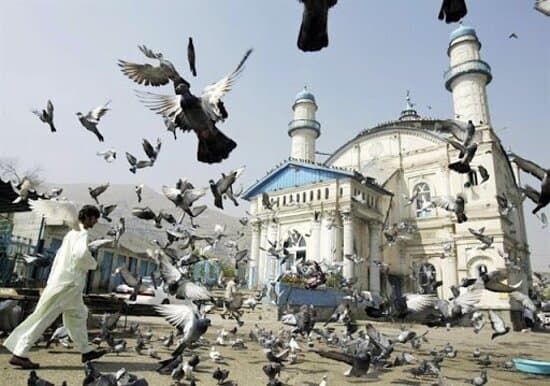
Farāh, located in western Afghanistan along the Farah River, serves as the capital of Farah Province. This historic city has been a significant crossroads for centuries, connecting trade routes between Iran, Afghanistan, and Central Asia. While primarily an administrative and agricultural center, Farāh offers visitors a glimpse into traditional Afghan life away from major tourist circuits. The city's character is defined by its mud-brick architecture, bustling bazaars, and the surrounding desert landscape. Travelers here experience authentic interactions with local communities and can explore remnants of the region's long history, though infrastructure for tourism remains basic.
Get Real Local Advice
Ask someone who actually lives in Farāh
1
Cultural Heritage and City Introduction
Day 1 of your journey
The Farāh Citadel represents one of the city's most significant historical sites, with origins dating back centuries as a defensive structure. Visitors can explore the remaining mud-brick walls and foundations that overlook the city, offering panoramic views of the surrounding area. The site provides insight into the region's strategic importance along trade routes. Early morning or late afternoon visits are recommended to avoid the midday heat. Allow time to walk around the perimeter and imagine the citadel's former scale and function.
Farāh Citadel
Why Visit
This ancient fortress offers a tangible connection to Farāh's long history as a regional center. The ruins provide perspective on traditional Afghan architecture and military design, while the elevated position gives visitors their first comprehensive view of the city layout and surrounding desert landscape.
Wear sturdy shoes for uneven terrain. Local guides sometimes wait near the entrance and can provide historical context for a small fee. Address: Central Farāh, near the old city center.

2
Culinary Exploration and Local Interactions
Day 2 of your journey
3
Local Neighborhoods and Community Life
Day 3 of your journey
4
Regional Crafts and Departure Preparation
Day 4 of your journey
Before You Go
Essential Travel Tips
Security conditions in Afghanistan require careful assessment before travel; consult current government advisories
Afghan Afghani (AFN) is the local currency; carry cash as credit cards are rarely accepted
Dari and Pashto are the main languages; basic greetings in Dari are appreciated
Dress conservatively covering arms and legs; women should carry a headscarf
Photography of government buildings, military personnel, or some religious sites may be restricted
Transport within Farāh is primarily by shared taxi; negotiate fares before entering
Internet and mobile service can be unreliable; have offline maps and translation available
Respect prayer times when planning activities; many businesses close during prayers
When to Go
Best Time to Visit
The most favorable time to visit Farāh is during spring (March to May) when temperatures are moderate, typically ranging from 15°C to 30°C. Autumn (September to November) also offers comfortable conditions. Summers (June to August) are extremely hot, often exceeding 40°C, making daytime exploration challenging. Winters (December to February) can be cold, especially at night, with temperatures sometimes dropping below freezing. The region receives minimal rainfall throughout the year, but spring may bring occasional showers that briefly cool the air.
Local Insights & Tips
Farāh operates with traditional Afghan social codes emphasizing hospitality and respect. Greetings are important; men shake hands with other men, while men and women generally do not touch unless family. The right hand is used for eating and handing items. Shoes are removed before entering homes and some shops. Time is flexible; appointments may not start exactly as scheduled. Tea is constantly offered to guests as a sign of welcome. Family and community ties strongly influence social interactions. While conservative, residents are typically gracious to respectful visitors who show interest in their culture.